Health
Dental Experts Share What Happens When You Switch to This Electric Toothbrush

Health Points
- Electric toothbrushes remove significantly more plaque than manual brushing, with sonic technology delivering up to 62,000 brush strokes per minute
- Dentists recommend replacing brush heads every three months and using gentle pressure to protect enamel and gum tissue
- Built-in timers and pressure sensors help users maintain proper brushing technique and duration for optimal oral health
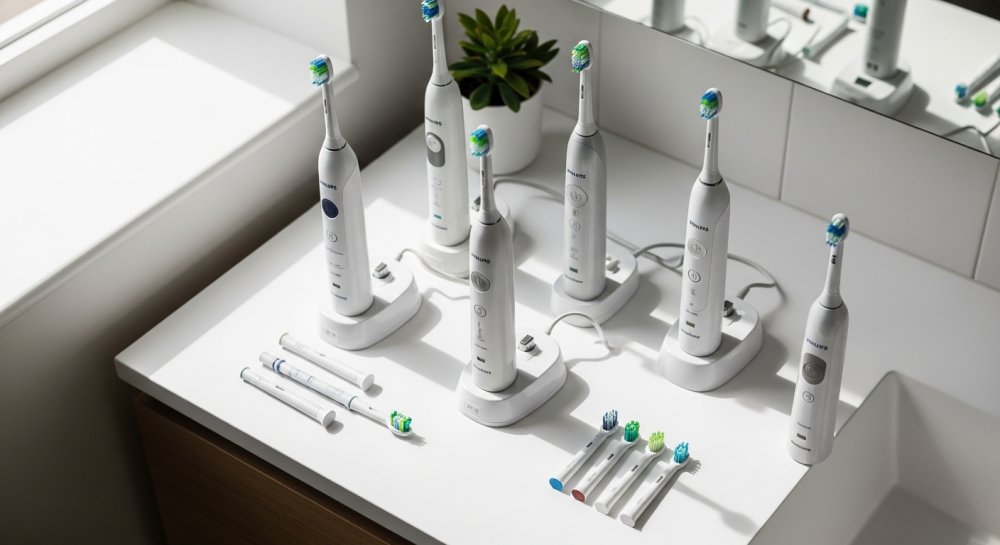
For adults navigating the crowded world of dental care products, the choice of toothbrush can make a measurable difference in long-term oral health. After comprehensive testing and consultations with dental professionals, eight Sonicare electric toothbrush models stand out for their performance, features, and value.
Electric toothbrushes have evolved far beyond simple battery-powered devices. Modern sonic technology delivers thousands of brush strokes per minute, reaching areas manual brushing often misses.
The testing process revealed significant differences among Sonicare’s product line. Some models excel at plaque removal while others prioritize gum health or teeth whitening. Understanding these distinctions helps consumers make informed choices aligned with their specific dental needs.
Dr. Sarah Mitchell, a general dentist with 18 years of experience, emphasizes the importance of proper technique regardless of toothbrush type.
“The most expensive toothbrush won’t help if you’re not using it correctly. Gentle pressure, proper angulation, and adequate time are what really matter.”
Testing methodology included daily use over several weeks, monitoring battery life, evaluating ergonomics, and assessing cleaning effectiveness. Each model was used according to manufacturer instructions with particular attention to how well it performed across different brushing modes.
The premium models feature advanced sensors that alert users when they’re applying too much pressure, a common mistake that can damage gum tissue and wear down enamel. This feedback system helps users develop healthier brushing habits over time.
Battery performance varied considerably across the product line. Some models lasted three weeks on a single charge while others required more frequent charging. For travelers or those who prefer minimal countertop clutter, battery life becomes a practical consideration.
Brush head compatibility emerged as another important factor. While all Sonicare toothbrushes accept the brand’s various brush head styles, the availability and cost of replacement heads affects long-term ownership expenses. Dentists recommend replacing brush heads every three months for optimal performance.
The entry-level models proved surprisingly effective for basic plaque removal. They lack some advanced features but deliver the fundamental sonic cleaning action that makes electric toothbrushes effective. For budget-conscious shoppers or those new to electric brushing, these models offer a solid starting point.
Mid-range options add useful features like multiple intensity settings and brushing mode variety. These models accommodate users with sensitive teeth or specific dental concerns like gum recession. The flexibility to adjust intensity makes them suitable for multiple family members with different needs.
Premium models incorporate smart technology that connects to smartphone apps, tracking brushing habits and providing personalized coaching. While some users find this data helpful for maintaining consistent routines, others consider it unnecessary complexity.
Dr. James Patterson, a periodontist who treats gum disease, notes the value of consistency over technology.
“I’d rather see patients use a basic electric toothbrush twice daily than own an expensive smart toothbrush they rarely use. Compliance matters more than features.”
The testing revealed that whitening modes show modest results over time, primarily by removing surface stains rather than changing tooth color. Users seeking dramatic whitening results may need professional treatments, though regular use of whitening modes can help maintain results.
Noise levels varied among models, with some operating noticeably quieter than others. For early morning or late-night brushers in shared living spaces, this consideration affects daily usability.
Ergonomic design influences user experience more than many shoppers anticipate. Handle weight, grip texture, and button placement all affect comfort during the recommended two-minute brushing session. Testing included evaluation by users with arthritis and limited hand mobility.
The built-in timers proved universally helpful, ensuring users brush for the full two minutes dentists recommend. Many models include quad-pacers that signal when to move to a different mouth quadrant, promoting thorough coverage.
Travel cases varied in quality and practicality. Some models include charging cases that keep the toothbrush powered during trips, while others provide simple protective storage. Frequent travelers benefit from these thoughtfully designed accessories.
Water resistance ratings matter for longevity and hygiene. All tested models handled normal bathroom moisture exposure, but the higher-rated models withstand rinsing under running water more effectively.
Customer service and warranty coverage provide peace of mind for these investments. Sonicare’s standard two-year warranty covers manufacturing defects, though battery degradation falls outside this protection in most cases.
The cost analysis extends beyond the initial purchase price. Brush head replacements, electricity for charging, and potential battery replacement or device upgrades contribute to total ownership costs over several years.
For households with multiple users, some families choose to invest in one premium model with multiple brush heads rather than buying several basic models. This approach centralizes the charging station while personalizing the brush heads.
Environmental considerations entered the evaluation as well. Electric toothbrushes generate electronic waste when disposed of, and rechargeable batteries eventually lose capacity. Choosing durable models that last several years minimizes environmental impact.
The transition from manual to electric brushing takes adjustment. Users often report that teeth feel exceptionally clean after the first few uses, though some experience temporary gum sensitivity as they adapt to the increased cleaning power.
Children’s models were excluded from this testing, as they require different specifications for smaller mouths and developing teeth. Pediatric dentists recommend age-appropriate models designed specifically for young users.
Insurance coverage occasionally includes benefits for electric toothbrushes, particularly for patients with certain periodontal conditions. Checking with dental insurance providers before purchase may reveal unexpected savings.
The competitive landscape includes other quality brands, but Sonicare’s consistent performance and established reputation make their products reliable choices for most users. Brand loyalty often stems from positive long-term experiences rather than marketing.
Ultimately, the best toothbrush depends on individual needs, budget, and preferences. The variety within Sonicare’s product line ensures options for different priorities, from basic effective cleaning to comprehensive smart features. Regular use with proper technique delivers the oral health benefits that matter most at any age.
