Health
Nail Salons Are Offering a Service That May Damage Your Nails

Health Points
- Russian manicures use electric filing tools to push back and remove cuticles entirely, unlike traditional methods that preserve the cuticle’s protective barrier
- Dermatologists warn that removing cuticles increases infection risk and can cause permanent nail matrix damage
- Health experts recommend gentler alternatives that maintain the cuticle’s natural protective function
A trending nail technique known as the Russian manicure has gained popularity at salons across the country, promising longer-lasting polish and a cleaner look. But dermatologists are raising concerns about potential health risks associated with this aggressive cuticle-removal method.
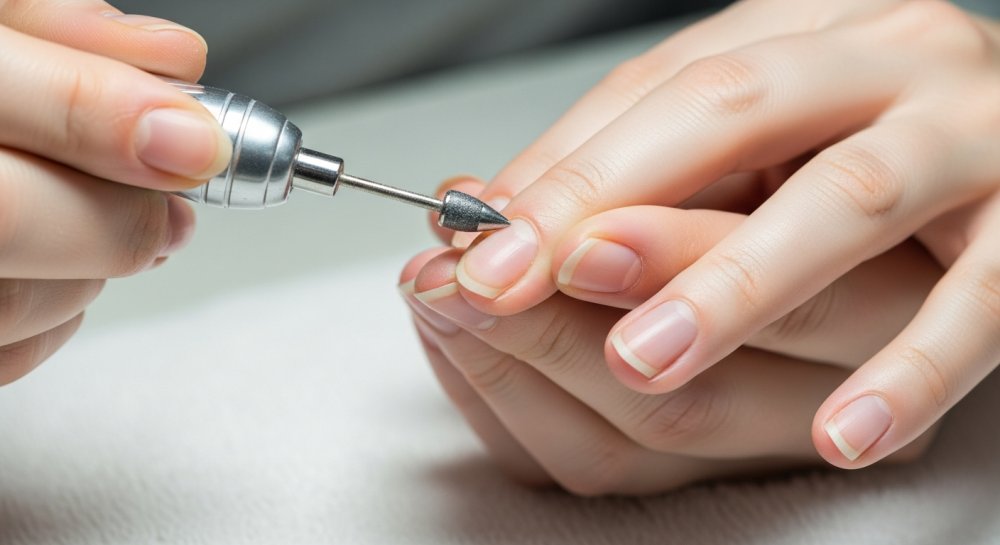
The Russian manicure differs significantly from traditional nail services. While conventional manicures gently push back cuticles to create a neat appearance, this technique uses electric filing tools to completely remove the cuticle and thin the skin around the nail bed.
Dr. Dana Stern, a board-certified dermatologist specializing in nail health, explains the fundamental problem with this approach. The cuticle serves as a critical protective barrier between the nail and surrounding skin, preventing bacteria, fungi, and other pathogens from entering the nail matrix where new nail cells form.
When you remove the cuticle entirely, you’re essentially opening the door to infection. The cuticle exists for a reason—it’s your body’s natural defense system for the nail unit,
Dr. Stern notes.
The electric filing component adds another layer of concern. These high-speed tools can easily damage the delicate nail bed and surrounding tissue if not used with extreme precision. Even in experienced hands, the margin for error remains slim.
Health professionals point to several potential complications from repeated Russian manicures. Bacterial and fungal infections top the list, as the removed cuticle no longer provides its protective seal. Chronic inflammation can develop around the nail fold, leading to painful swelling and redness.
Perhaps most concerning is the risk of permanent damage to the nail matrix. This specialized tissue beneath the cuticle produces new nail cells, and injury to this area can result in irregular nail growth, ridges, or discoloration that persists long-term.
Dr. Stern also addresses the cosmetic appeal that draws clients to this service.
Yes, you might get a very clean, polished look that lasts longer because the product adheres directly to the nail bed. But you’re trading short-term aesthetics for long-term nail health,
she cautions.
For those who still want well-groomed nails without the health risks, dermatologists recommend several safer alternatives. Traditional manicures that simply push back softened cuticles—rather than cutting or removing them—provide a neat appearance while maintaining the protective barrier.
At-home care can also keep cuticles healthy and manageable. Regular application of cuticle oil helps keep the tissue supple and less prone to tearing or becoming overgrown. Gentle pushing with a soft tool after showering, when cuticles are naturally softened, can maintain appearance without aggressive removal.
The trend reflects a broader pattern in the beauty industry where increasingly intensive treatments promise superior results. But when it comes to nail care, more aggressive doesn’t necessarily mean better.
For individuals with certain health conditions, the risks multiply. People with diabetes, compromised immune systems, or circulatory issues face heightened infection danger from any breach in the skin’s protective barriers. For these populations, preserving cuticle integrity becomes even more critical.
I always tell my patients that healthy nails are beautiful nails. You don’t need to sacrifice one for the other,
Dr. Stern emphasizes.
Consumers considering this service should ask their nail technician about their training and technique. Understanding exactly what the procedure involves—and the potential consequences—allows for informed decision-making about personal nail care.
The key takeaway from health experts remains consistent: the cuticle plays an essential protective role that shouldn’t be eliminated for cosmetic preferences. While the Russian manicure may deliver a distinctive aesthetic, the potential health costs warrant serious consideration before booking an appointment.
