Health
Dermatologists Share Their Top Derma Roller Picks for Age-Defying Skin

Health Points
- Derma rollers use tiny needles to stimulate collagen production, helping reduce fine lines and improve skin texture
- Dermatologists recommend starting with 0.25mm needles for home use to minimize irritation
- Consistent use over several weeks, combined with proper skin care, yields the most visible improvements
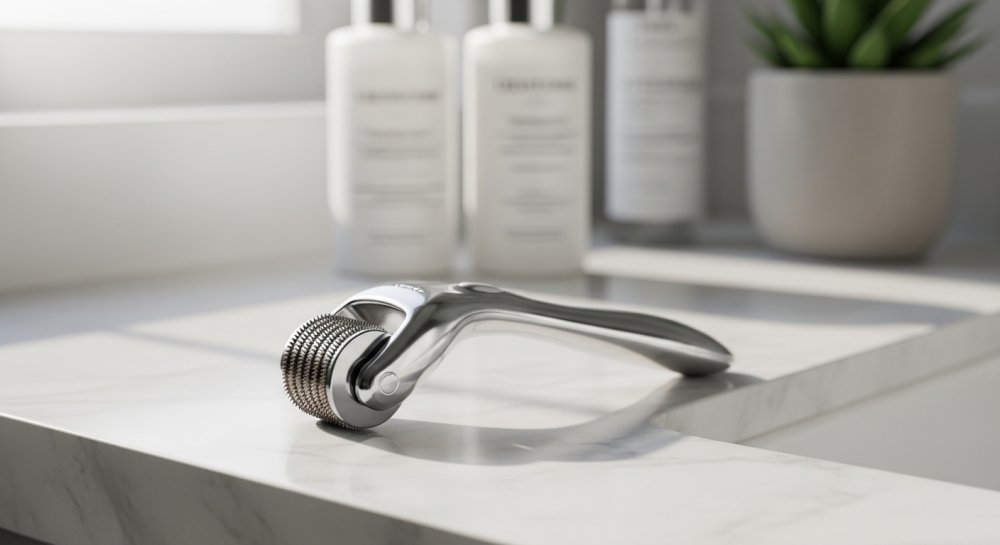
For those seeking smoother, more youthful-looking skin without invasive procedures, derma rollers have emerged as a popular at-home solution. These handheld devices feature dozens of tiny needles that create micro-channels in the skin, triggering the body’s natural healing response and boosting collagen production.
After extensive testing of 22 different derma rollers, dermatologists identified seven standout options that deliver results while remaining safe and easy to use. The selection process evaluated needle quality, handle comfort, effectiveness, and overall user experience.
Understanding How Derma Rollers Work
Derma rolling, also known as microneedling, creates controlled micro-injuries to the skin’s surface. This process stimulates the production of collagen and elastin, two proteins essential for maintaining firm, smooth skin. The technique can help address multiple concerns including fine lines, uneven texture, enlarged pores, and mild scarring.
Board-certified dermatologists emphasize the importance of choosing the right needle size. For at-home use, needles between 0.25mm and 0.5mm are considered safest and most appropriate for regular treatment.
Key Features to Consider
When selecting a derma roller, several factors determine both safety and effectiveness. Needle material matters significantly—medical-grade stainless steel or titanium needles maintain sharpness longer and reduce the risk of skin damage. Handle design affects control and precision during use.
Replacement frequency is another crucial consideration. Dermatologists recommend replacing derma rollers every three to four months, as dull needles can cause unnecessary trauma to the skin rather than creating clean micro-channels.
Proper Technique Ensures Best Results
Technique plays a vital role in achieving desired outcomes while avoiding complications. Experts advise starting with freshly cleansed skin and applying gentle pressure while rolling in multiple directions—horizontally, vertically, and diagonally across treatment areas.
Consistency matters more than intensity. Light to moderate pressure used regularly produces better results than aggressive application. Most dermatologists suggest rolling two to three times per week, allowing skin adequate time to heal between sessions.
Combining Derma Rolling With Other Treatments
Derma rolling can enhance the absorption of topical treatments applied immediately afterward. The micro-channels created allow serums and other products to penetrate more deeply into the skin. However, dermatologists caution against using certain active ingredients, particularly retinoids or acids, immediately after rolling to prevent excessive irritation.
Hyaluronic acid serums and vitamin C products are generally considered safe and beneficial to apply post-treatment. These ingredients support hydration and collagen synthesis, complementing the derma roller’s effects.
Safety Precautions and Contraindications
While derma rolling is generally safe for home use, certain conditions require extra caution. Those with active acne, eczema, rosacea, or other inflammatory skin conditions should consult a dermatologist before beginning treatment. Proper sanitization of the device before and after each use prevents bacterial contamination and infection.
Sun protection becomes especially important when incorporating derma rolling into a skin care routine. The treatment temporarily increases skin sensitivity, making diligent daily sunscreen use essential to prevent damage and hyperpigmentation.
What to Expect From Regular Use
Realistic expectations help maintain motivation throughout the treatment process. Most users notice initial improvements in skin texture within four to six weeks of consistent use. More significant changes, such as reduction in fine lines or scar appearance, typically become visible after two to three months of regular rolling.
Individual results vary based on factors including age, skin type, lifestyle habits, and overall skin care regimen. Patience and consistency yield the best outcomes, as collagen remodeling occurs gradually over time.
Professional vs. At-Home Treatment
While at-home derma rollers offer convenience and affordability, professional microneedling treatments performed in dermatology offices use longer needles and can address more significant skin concerns. Medical-grade devices penetrate deeper into the skin, producing more dramatic results but requiring professional supervision.
For those seeking maintenance of generally healthy skin or mild improvement in texture and tone, at-home rollers provide an effective solution. More pronounced concerns may benefit from professional treatment followed by at-home maintenance.
Long-Term Skin Health Benefits
Beyond immediate cosmetic improvements, regular derma rolling supports long-term skin health. The ongoing stimulation of collagen production helps maintain skin firmness and elasticity as part of a comprehensive anti-aging strategy. Combined with proper sun protection, adequate hydration, and a balanced diet, derma rolling contributes to healthier, more resilient skin over time.
As with any skin care practice, individual commitment to consistent, proper use determines ultimate success. Those who integrate derma rolling thoughtfully into their existing routines, while following dermatologist recommendations, position themselves for the most favorable outcomes.
