Health
Cardiologists Share the Blood Pressure Monitors They Trust Most for Home Use

Health Points
- Regular at-home blood pressure monitoring helps detect hypertension early and track treatment effectiveness
- Upper-arm cuff monitors provide more accurate readings than wrist-based devices, according to cardiologists
- Validated devices with proper cuff sizing are essential for reliable measurements
Maintaining healthy blood pressure becomes increasingly important after age 40, when cardiovascular risks naturally rise. For millions of Americans managing their heart health, choosing the right home monitoring device can make a significant difference in tracking this vital health metric.
Medical professionals emphasize that accurate home monitoring empowers individuals to take control of their cardiovascular wellness. Regular measurements help identify concerning trends before they develop into serious health issues.
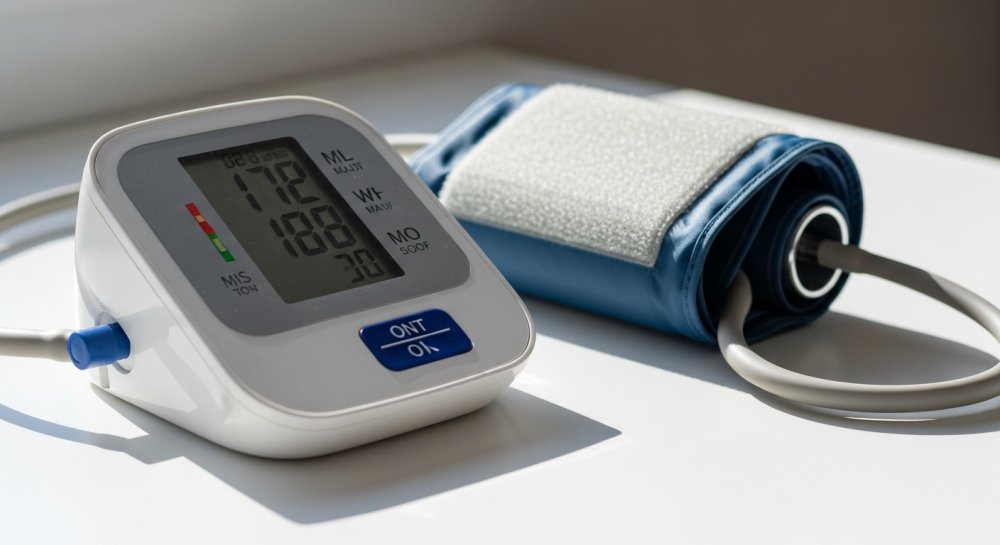
Cardiologists recommend upper-arm cuff monitors over wrist devices for the most reliable results. The positioning closer to the heart and larger artery access points contribute to measurement accuracy that better reflects true blood pressure levels.
Device validation matters significantly when selecting a monitor. Medical experts advise looking for products tested against clinical standards to ensure the readings you receive at home match what healthcare providers would measure in their offices.
Proper cuff sizing represents another critical factor often overlooked by consumers. A cuff that’s too small or too large can produce misleading readings, potentially causing unnecessary concern or missing genuine health issues.
Consistency in measurement technique yields the best results. Health professionals recommend taking readings at the same time each day, sitting quietly for five minutes beforehand, and keeping feet flat on the floor with back supported.
Modern monitors often include features like multiple user profiles, irregular heartbeat detection, and smartphone connectivity. While these conveniences add value, the fundamental accuracy of the device should remain the primary consideration.
For those managing diagnosed hypertension, home monitoring provides valuable data between doctor visits. This information helps physicians adjust medications more precisely and assess whether current treatments are working effectively.
The investment in a quality blood pressure monitor pays dividends in long-term health management. Early detection and consistent tracking enable proactive interventions that can prevent heart attacks, strokes, and other serious cardiovascular events.
Healthcare providers note that sharing home measurement logs during appointments creates a more complete picture of cardiovascular health than single office readings. This comprehensive view supports better treatment decisions and improved health outcomes.
