Health
Nine Natural Supplements That May Help During Perimenopause

Health Points
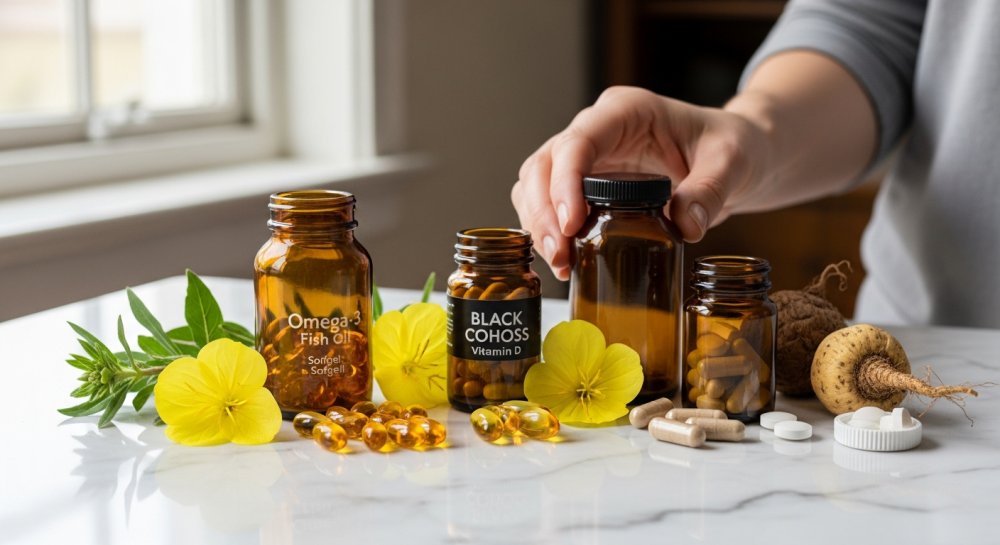
- Black cohosh, omega-3s, and vitamin D show promise for managing hot flashes, mood changes, and bone health during perimenopause
- Most perimenopausal supplements lack robust FDA approval, making consultation with healthcare providers essential before starting any regimen
- Natural remedies work best when combined with lifestyle modifications like regular exercise, stress management, and adequate sleep
For women navigating the challenging transition of perimenopause, relief may come from unexpected sources. As hormones fluctuate in the years leading up to menopause, many experience disruptive symptoms ranging from hot flashes to mood swings.
While hormone replacement therapy remains a common treatment, an increasing number of women are exploring natural alternatives. Several supplements have emerged as promising options for managing perimenopausal symptoms, though medical guidance remains crucial.
Understanding Perimenopause and Its Impact
Perimenopause typically begins in a woman’s 40s, though it can start earlier for some. During this phase, estrogen and progesterone levels begin their irregular decline, triggering a cascade of physical and emotional changes.
Hot flashes affect approximately 75% of perimenopausal women, disrupting sleep and daily activities. Mood disturbances, weight gain, and decreased bone density add to the challenges many face during this natural transition.
Black Cohosh: Traditional Relief for Modern Symptoms
This North American native plant has been used for generations to address women’s health concerns. Research suggests black cohosh may reduce the frequency and severity of hot flashes, though results vary among individuals.
The supplement appears to work by interacting with serotonin receptors rather than directly affecting estrogen levels. Standard doses typically range from 20 to 40 milligrams daily, though women with liver conditions should exercise caution.
Omega-3 Fatty Acids: Beyond Heart Health
These essential fats, commonly found in fish oil, offer benefits that extend to menopausal health. Studies indicate omega-3 supplementation may reduce hot flash frequency while supporting cardiovascular health during a vulnerable time.
The anti-inflammatory properties of omega-3s also address mood regulation and joint discomfort. A typical therapeutic dose ranges from 1,000 to 2,000 milligrams daily of combined EPA and DHA.
Vitamin D: Protecting Bone Density
As estrogen levels decline, women face increased risk of osteoporosis. Vitamin D plays a critical role in calcium absorption and bone maintenance, making adequate levels particularly important during perimenopause.
Many women are already deficient in this crucial nutrient. Healthcare providers often recommend 1,000 to 2,000 IU daily, though individual needs vary based on blood levels and sun exposure.
Magnesium: The Mineral for Sleep and Mood
This essential mineral supports over 300 biochemical reactions in the body. For perimenopausal women, magnesium supplementation may improve sleep quality, reduce anxiety, and even diminish hot flashes.
Magnesium glycinate is generally well-tolerated and less likely to cause digestive upset than other forms. Doses typically range from 200 to 400 milligrams before bedtime.
Evening Primrose Oil: Addressing Multiple Symptoms
Extracted from the seeds of the evening primrose plant, this oil contains gamma-linolenic acid (GLA), an omega-6 fatty acid. Some women report relief from breast tenderness, mood swings, and hot flashes with regular use.
While scientific evidence remains mixed, the supplement’s safety profile makes it a reasonable option to explore. Typical doses range from 500 to 1,300 milligrams daily.
Maca Root: Ancient Wisdom Meets Modern Science
This Peruvian plant has been cultivated for thousands of years in the Andes Mountains. Research suggests maca may help balance hormones naturally, potentially reducing hot flashes and improving energy levels.
Additionally, some studies indicate maca may support sexual function and mood during perimenopause. Standard supplementation typically involves 1,500 to 3,000 milligrams daily.
B-Complex Vitamins: Supporting Energy and Mood
The family of B vitamins plays vital roles in energy production and nervous system function. During perimenopause, adequate B vitamin intake supports mood stability, energy levels, and cognitive function.
Vitamin B6 specifically may help with mood regulation and water retention. A comprehensive B-complex supplement often provides balanced support for multiple perimenopausal symptoms.
Soy Isoflavones: Plant-Based Estrogen Alternatives
These plant compounds mimic estrogen’s effects in the body, potentially offering relief from hot flashes and supporting bone health. Asian populations with higher soy intake traditionally report fewer menopausal symptoms.
However, women with hormone-sensitive conditions should consult healthcare providers before using soy supplements. Typical doses range from 40 to 80 milligrams of isoflavones daily.
Red Clover: Nature’s Phytoestrogen Source
Similar to soy, red clover contains isoflavones that may help manage hot flashes and support cardiovascular health. Some research suggests potential benefits for bone density as well.
The supplement’s safety profile appears favorable for most women, though those taking blood thinners should exercise caution. Standard doses typically provide 40 to 80 milligrams of isoflavones daily.
Important Considerations Before Supplementing
While these supplements show promise, they are not regulated by the FDA with the same rigor as pharmaceutical drugs. Quality, purity, and potency can vary significantly among brands.
Women should prioritize products that have been third-party tested for quality and purity. More importantly, consultation with a healthcare provider before starting any supplement regimen is essential, particularly for those with existing health conditions or taking medications.
Lifestyle Factors That Enhance Supplement Effectiveness
Supplements work best as part of a comprehensive approach to perimenopausal health. Regular exercise, particularly weight-bearing activities, supports bone density and mood regulation.
Stress management through prayer, meditation, or other calming practices can significantly impact symptom severity. Adequate sleep, though often elusive during this phase, remains foundational to overall wellbeing.
A nutrient-dense diet rich in fruits, vegetables, lean proteins, and whole grains provides the foundation supplements can build upon. Limiting alcohol, caffeine, and spicy foods may also reduce hot flash frequency for some women.
Perimenopause represents a natural transition, not a disease requiring treatment. However, when symptoms significantly impact quality of life, both conventional and natural approaches offer viable paths to relief. With proper medical guidance and realistic expectations, many women successfully navigate this phase using a combination of supplements, lifestyle modifications, and when necessary, hormone therapy.
