Nutrition
The 16 Foods Dietitians Say Transform Your Health After 40

Health Points
- Fiber-rich foods help regulate blood sugar, support digestive health, and reduce heart disease risk—critical for adults over 40
- High-fiber, low-carb foods like chia seeds, avocados, and broccoli deliver essential nutrients without spiking blood sugar
- Nutrition experts recommend aiming for 25-38 grams of fiber daily while limiting refined carbohydrates
As we age, the foods we choose become increasingly important for maintaining energy, heart health, and metabolic function. Nutrition experts now emphasize a simple strategy that delivers outsized benefits: prioritizing foods that are high in fiber but low in the kind of carbohydrates that can destabilize blood sugar.
“Fiber is one of the most underrated nutrients in the American diet,” says registered dietitian Emily Chen. “Most adults don’t get nearly enough, and that gap becomes more consequential after 40.”
The science is clear. Dietary fiber supports digestive regularity, helps control cholesterol levels, and plays a key role in maintaining healthy blood sugar. Meanwhile, limiting refined carbohydrates reduces inflammation and helps prevent the metabolic slowdown many experience in midlife.
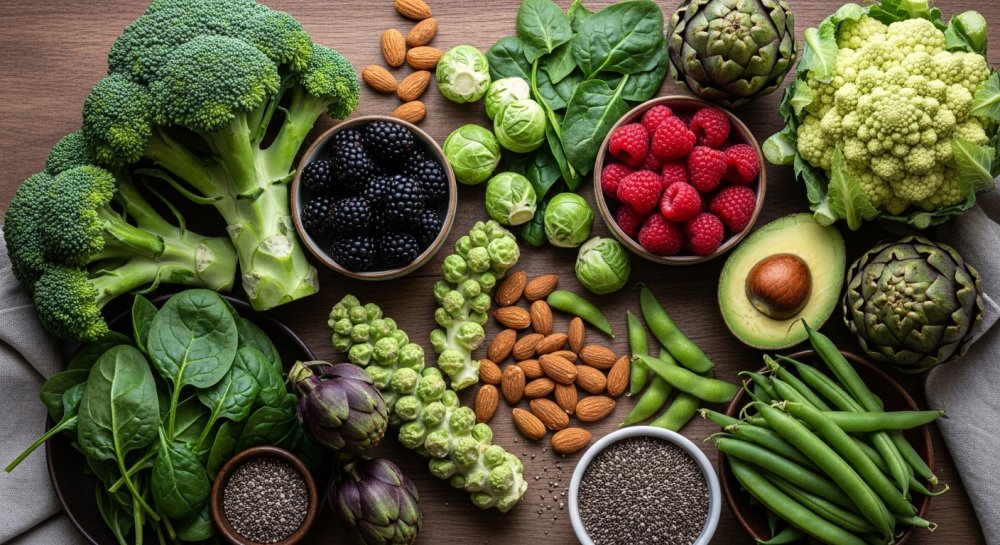
Chia Seeds
These tiny seeds pack 10 grams of fiber per ounce with minimal net carbs. They expand in liquid, creating a satisfying texture that works in smoothies, yogurt, or overnight oats.
Avocados
A medium avocado contains about 10 grams of fiber and heart-healthy monounsaturated fats. The creamy fruit also provides potassium, which supports healthy blood pressure—a priority for aging adults.
Broccoli
One cup of cooked broccoli delivers 5 grams of fiber along with vitamins C and K. This cruciferous vegetable also contains compounds that support the body’s natural detoxification processes.
Raspberries
With 8 grams of fiber per cup and powerful antioxidants, raspberries offer sweetness without the blood sugar spike of tropical fruits. They’re also rich in vitamin C and manganese.
Almonds
An ounce of almonds provides 3.5 grams of fiber, healthy fats, and plant-based protein. Research suggests regular nut consumption is associated with reduced cardiovascular risk.
Brussels Sprouts
These miniature cabbages contain 4 grams of fiber per cup when cooked. They’re also excellent sources of vitamin K, which plays a role in bone health—particularly important for women over 50.
Flaxseeds
Ground flaxseeds offer 3 grams of fiber per tablespoon along with omega-3 fatty acids. Experts recommend grinding them fresh to maximize nutrient absorption.
Cauliflower
This versatile vegetable provides 3 grams of fiber per cup and has become a popular low-carb substitute for rice, pizza crust, and mashed potatoes.
Blackberries
With nearly 8 grams of fiber per cup, blackberries rank among the highest-fiber fruits available. They’re loaded with vitamin C and anthocyanins, compounds linked to brain health.
Artichokes
A medium artichoke contains 7 grams of fiber—more than most grains. These vegetables also provide folate and magnesium, supporting energy production at the cellular level.
Edamame
One cup of these young soybeans delivers 8 grams of fiber and 17 grams of complete protein. They make an ideal snack for maintaining stable energy throughout the day.
Cabbage
Whether red or green, cabbage provides about 2 grams of fiber per cup raw. It’s also rich in vitamin C and contains compounds that support digestive health.
Spinach
Cooked spinach offers 4 grams of fiber per cup along with iron, calcium, and vitamins A and K. The dark leafy green supports everything from vision to bone density.
Zucchini
This summer squash contains 2 grams of fiber per cup and works as a versatile low-carb pasta alternative. It’s also a good source of vitamin B6 and potassium.
Green Beans
A cup of cooked green beans provides 4 grams of fiber alongside vitamins A, C, and K. These beans are also rich in folate, supporting cardiovascular health.
Coconut (unsweetened, shredded)
An ounce of unsweetened shredded coconut contains 5 grams of fiber and medium-chain triglycerides, a type of fat the body can use efficiently for energy.
“The beauty of these foods is that they’re not exotic or expensive,” notes registered dietitian Michael Torres. “They’re available in every grocery store, and most people already know how to prepare them.”
Nutrition experts recommend gradually increasing fiber intake to allow the digestive system to adjust. Drinking plenty of water is equally important, as fiber works best when properly hydrated. For adults over 40, the combination of adequate fiber and controlled carbohydrate intake can make a measurable difference in how they feel day to day—more energy, better digestion, and stable moods throughout the afternoon.
The traditional wisdom about eating your vegetables turns out to be grounded in solid science. These 16 foods offer a practical starting point for anyone looking to support their health through informed food choices.
