Health
Six Natural Remedies That Bring Fast Relief From Digestive Distress

Health Points
- Staying hydrated with electrolyte-rich fluids is critical during digestive upset to prevent dangerous dehydration
- The BRAT diet—bananas, rice, applesauce, and toast—provides gentle, binding nutrition that helps restore normal bowel function
- Probiotics and certain herbal teas can naturally rebalance gut bacteria and reduce inflammation without harsh medications
Digestive troubles strike without warning, turning an ordinary day into an uncomfortable ordeal. While most episodes resolve on their own within 24 to 48 hours, knowing how to manage symptoms effectively can make all the difference in comfort and recovery time.
The human digestive system is remarkably resilient, but sometimes it needs support to return to normal function. Understanding which remedies actually work—and which are old wives’ tales—empowers individuals to take control of their health with confidence.
Hydration: The Foundation of Recovery
When the digestive system goes into overdrive, the body loses fluids and essential minerals at an alarming rate. Replacing these losses isn’t just about comfort—it’s about preventing a medical emergency.
Plain water helps, but it doesn’t replace the electrolytes lost during digestive distress. Sports drinks, coconut water, or oral rehydration solutions provide the sodium, potassium, and other minerals the body desperately needs during this time.
Medical professionals recommend sipping fluids slowly throughout the day rather than drinking large amounts at once. Small, frequent sips are easier on an irritated digestive system and less likely to trigger additional discomfort.
The BRAT Diet: Time-Tested Wisdom
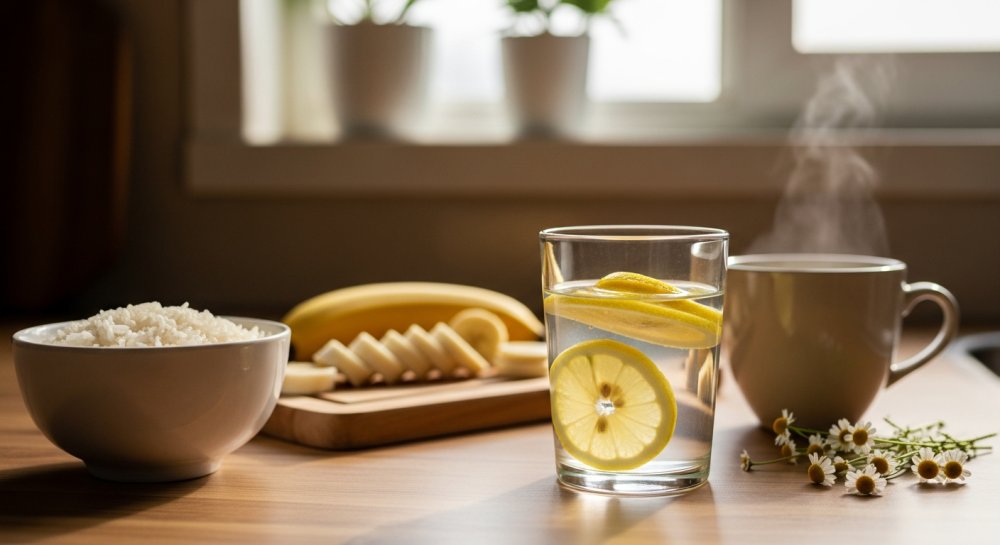
For generations, doctors have recommended the BRAT diet as a gentle way to nourish the body during digestive upset. This acronym stands for bananas, rice, applesauce, and toast—four bland, binding foods that are easy to digest.
Bananas provide potassium, which is often depleted during digestive distress. Rice and toast offer easily digestible carbohydrates that can help firm up loose stools, while applesauce contains pectin, a soluble fiber that adds bulk.
While the BRAT diet shouldn’t be followed for extended periods, it serves as an excellent short-term strategy. Once symptoms begin to improve, gradually introducing other gentle foods helps ensure the body receives adequate nutrition.
Probiotic Power
The gut microbiome plays a crucial role in digestive health, and sometimes it needs reinforcement. Probiotics—beneficial bacteria that support intestinal function—can help restore balance and speed recovery.
Research shows that certain probiotic strains, particularly Lactobacillus and Saccharomyces boulardii, can reduce the duration and severity of digestive upset. These helpful organisms work by crowding out harmful bacteria and supporting the intestinal lining.
Probiotic supplements are widely available, but fermented foods like yogurt with live cultures, kefir, and sauerkraut also provide these beneficial bacteria. For those experiencing acute symptoms, supplements may offer a more concentrated dose.
Herbal Remedies From Nature’s Medicine Cabinet
Long before modern medicine, people turned to herbs for digestive relief. Several traditional remedies have stood the test of time and earned scientific validation for their effectiveness.
Chamomile tea soothes the digestive tract with its anti-inflammatory properties and can help reduce cramping. Ginger has been used for centuries to settle upset stomachs and has proven effective in clinical studies.
Peppermint tea can ease digestive discomfort, though it should be used cautiously by those with acid reflux. These gentle remedies work with the body’s natural healing processes rather than against them.
Strategic Dietary Adjustments
What you avoid eating matters as much as what you consume during digestive distress. Certain foods and beverages can aggravate symptoms and delay recovery.
Dairy products, fatty foods, and high-fiber vegetables can be difficult to digest when the system is already compromised. Caffeine and alcohol act as irritants and can worsen dehydration, making recovery more difficult.
Artificial sweeteners, particularly sorbitol and xylitol, have a laxative effect and should be avoided completely during episodes of digestive upset. Reading labels carefully helps identify hidden sources of these sweeteners in sugar-free products.
Over-the-Counter Options
Pharmacies stock several medications designed to address acute digestive issues, and understanding when to use them helps ensure safe, effective relief. Loperamide slows intestinal movement, giving the body time to absorb more water from waste.
Bismuth subsalicylate offers another option, working by coating the digestive tract and reducing inflammation. This medication also has antibacterial properties that can address certain causes of digestive distress.
However, these medications aren’t appropriate for everyone or every situation. Individuals with high fever, bloody stools, or severe abdominal pain should consult a healthcare provider before self-treating with over-the-counter remedies.
When To Seek Medical Attention
Most episodes of digestive upset resolve without medical intervention, but certain warning signs require prompt professional evaluation. Persistent symptoms lasting more than three days warrant a call to a healthcare provider.
Signs of severe dehydration—including dizziness, decreased urination, or confusion—require immediate medical attention. Bloody or black stools, high fever, or severe abdominal pain also indicate the need for professional care.
For vulnerable populations including young children, elderly individuals, and those with compromised immune systems, the threshold for seeking medical care should be lower. These groups face higher risks of complications and may need professional guidance earlier in the course of illness.
Prevention: The Best Medicine
While not all digestive troubles can be prevented, simple hygiene practices reduce the risk considerably. Thorough handwashing with soap and water, especially before meals and after using the restroom, remains one of the most effective preventive measures.
Food safety practices matter too—proper cooking temperatures, careful handling of raw meats, and attention to expiration dates all help prevent foodborne illness. When traveling, being cautious about water sources and food preparation can spare individuals considerable discomfort.
Maintaining a balanced diet rich in fiber, staying hydrated, and managing stress all contribute to long-term digestive health. A resilient digestive system is better equipped to handle occasional challenges and recover more quickly when problems arise.
