Nutrition
The breakfast protein showdown nutritionists are weighing in on

Health Points
- Steel-cut oats provide 5 grams of protein and 4 grams of fiber per serving, supporting sustained energy and digestive health
- Greek yogurt delivers 15-20 grams of protein per serving, triple the amount found in oats, with beneficial probiotics for gut health
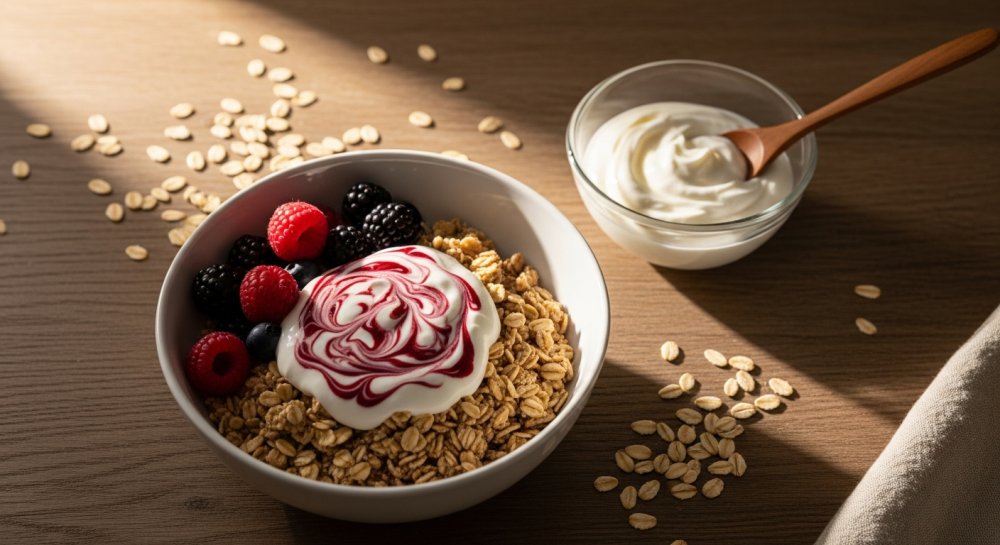
- Combining both foods creates a nutritionally superior breakfast with complementary benefits for blood sugar control and satiety
The breakfast table has become a battleground for health-conscious Americans seeking the perfect morning meal. Two popular choices—steel-cut oats and Greek yogurt—each claim devoted followers, but nutritionists now say the debate may be missing a crucial point.
Steel-cut oats have long been celebrated for their whole grain benefits and hearty texture. These minimally processed oats contain 5 grams of protein and 4 grams of fiber per serving, along with important minerals like iron, magnesium, and zinc. The fiber content helps stabilize blood sugar levels throughout the morning, preventing the energy crashes associated with refined breakfast options.
Greek yogurt presents a different nutritional profile entirely. With 15-20 grams of protein per serving—three to four times more than steel-cut oats—this strained dairy product has become a staple for those prioritizing protein intake. The high protein content promotes satiety and supports muscle maintenance, particularly important as we age.
“Greek yogurt is an excellent source of calcium and probiotics, which support bone health and digestive function,” explains registered dietitian Sarah Johnson. “The live cultures in quality Greek yogurt contribute to a healthy gut microbiome, which impacts everything from immunity to mood.”
Steel-cut oats offer their own unique advantages. The beta-glucan fiber found in oats has been shown to help lower cholesterol levels and support heart health. This soluble fiber also feeds beneficial gut bacteria, though in a different way than yogurt’s probiotics.
The carbohydrate content differs significantly between the two options. Steel-cut oats provide complex carbohydrates that deliver sustained energy, making them ideal for active mornings or those engaging in physical activity. Greek yogurt contains fewer carbohydrates, with most varieties offering 6-8 grams per serving, primarily from naturally occurring milk sugars.
“For individuals managing their carbohydrate intake, Greek yogurt may be the better choice,” notes nutritionist Michael Chen. “However, the complex carbs in steel-cut oats provide valuable fuel for both physical and mental performance.”
The calorie count varies by preparation method and additions. Plain steel-cut oats contain approximately 150 calories per cooked cup, while plain Greek yogurt ranges from 100-150 calories depending on fat content. Both options can become calorie-dense when sweeteners, dried fruits, or nuts are added.
Traditional values around breakfast—starting the day with wholesome, unprocessed foods—align with both choices when prepared simply. Steel-cut oats require more preparation time, often 20-30 minutes of stovetop cooking, which some families view as an investment in health. Greek yogurt offers convenience without sacrificing nutritional quality.
The micronutrient profiles complement each other well. Oats provide more iron, magnesium, and B vitamins, while Greek yogurt excels in calcium, vitamin B12, and phosphorus. This suggests that choosing between them may be unnecessary.
“The ideal approach for most people is incorporating both foods into their weekly breakfast rotation,” suggests dietitian Johnson. “Each offers distinct benefits, and variety ensures a broader spectrum of nutrients.”
For those seeking maximum nutritional benefit, combining steel-cut oats and Greek yogurt creates a powerhouse breakfast. The protein from yogurt complements the fiber from oats, resulting in exceptional satiety and blood sugar control. This combination provides both probiotics and prebiotics, supporting comprehensive gut health.
Preparation matters significantly for both options. Instant oats lack the fiber and nutritional density of steel-cut varieties. Similarly, flavored Greek yogurts often contain added sugars that diminish their health benefits. Reading labels and choosing plain, minimally processed versions maximizes nutritional value.
Budget considerations may influence the choice for some families. Steel-cut oats typically cost less per serving than Greek yogurt, especially when purchased in bulk. However, both remain affordable compared to processed breakfast alternatives.
Individual health goals should guide the decision. Those focused on building or maintaining muscle mass may prioritize Greek yogurt’s higher protein content. Individuals concerned with heart health or cholesterol management might emphasize steel-cut oats. Active individuals may benefit from the sustained energy provided by oats’ complex carbohydrates.
“There’s no universal ‘best’ breakfast,” Chen emphasizes. “The right choice depends on individual nutritional needs, health goals, and lifestyle factors. Both steel-cut oats and Greek yogurt represent excellent whole food choices that support long-term health.”
The breakfast debate ultimately reveals a false choice. Rather than selecting one superior option, health-conscious Americans can embrace both foods as part of a varied, nutrient-dense diet that honors traditional values of whole, minimally processed ingredients while meeting modern nutritional understanding.
