Health
The Truth About Pedialyte and Hangover Relief

Health Points
- Pedialyte can help restore electrolytes and fluids lost during alcohol consumption, but it won’t cure a hangover completely
- The only guaranteed way to prevent a hangover is to avoid alcohol or drink in moderation
- Rehydration strategies work best when combined with rest, nutritious food, and time for your body to process alcohol
Many adults over 40 have heard the buzz about using Pedialyte—a children’s electrolyte solution—as a hangover remedy. The product has become increasingly popular among those seeking relief from post-drinking discomfort, but does it actually work?
The short answer is that Pedialyte can help with some hangover symptoms, but it’s not a miracle cure. Alcohol acts as a diuretic, causing your body to lose fluids and electrolytes through increased urination.
This dehydration contributes significantly to common hangover symptoms like headache, fatigue, and dizziness. Pedialyte was designed to quickly replace fluids and electrolytes in children with diarrhea or vomiting, making it theoretically useful for rehydration after drinking.
“Pedialyte contains water, sugar, and electrolytes including sodium and potassium, which can help restore what’s been lost,” explains Dr. Robert Swift, associate director of the Brown University Center for Alcohol and Addiction Studies. “However, hangovers involve more than just dehydration.”
The reality is that alcohol metabolism produces toxic compounds, including acetaldehyde, which causes inflammation throughout the body. Rehydrating with Pedialyte won’t address these inflammatory processes or speed up your liver’s work of breaking down alcohol.
Additionally, alcohol disrupts sleep quality and irritates the stomach lining—problems that electrolyte solutions can’t fix. For those in their 40s and beyond, hangovers often feel worse and last longer than they did in younger years.
This happens because our bodies become less efficient at metabolizing alcohol as we age, and we tend to have less body water to dilute it.
“As we get older, the enzymes that break down alcohol become less active, and we generally have a higher proportion of body fat to water,” notes Dr. Michael White, professor of pharmacy at the University of Connecticut. “This means alcohol has a stronger effect and takes longer to clear from our systems.”
If you do choose to drink, medical experts recommend several evidence-based strategies to minimize hangover severity. Drinking a glass of water between alcoholic beverages helps maintain hydration throughout the evening.
Eating before and while drinking slows alcohol absorption and protects your stomach lining. Choosing lighter-colored alcohols like vodka or gin over darker options like whiskey or red wine may also help, as darker drinks contain more congeners—compounds that worsen hangover symptoms.
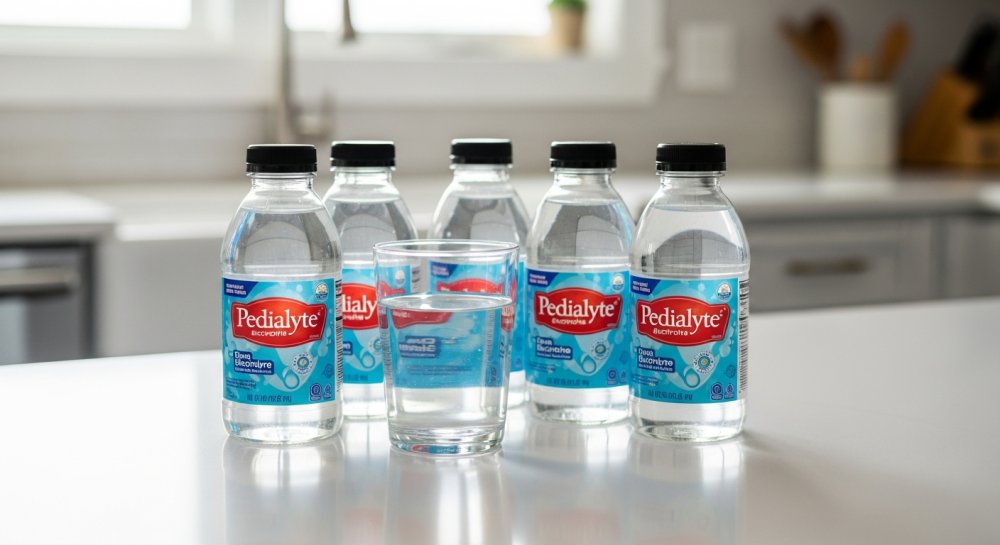
When it comes to the morning after, Pedialyte can certainly be part of your recovery strategy. Drinking it alongside plain water can help restore your electrolyte balance more efficiently than water alone.
However, you’ll also benefit from eating easily digestible foods that provide gentle nutrition without upsetting your stomach further. Toast, bananas, and oatmeal are often well-tolerated options.
Pain relievers like ibuprofen may help with headaches, though you should avoid acetaminophen (Tylenol) when alcohol is still in your system, as this combination can stress your liver. Most importantly, give your body time to process and eliminate the alcohol—there’s no way to speed up this natural metabolic process.
“The only foolproof way to avoid a hangover is to drink in moderation or not at all,” Dr. Swift emphasizes. “For healthy adults, that means up to one drink per day for women and up to two for men, though many people over 40 find even these amounts can cause next-day effects.”
The bottom line is that while Pedialyte isn’t a hangover cure, it can help address one piece of the puzzle—dehydration. For those who choose to drink, it’s one tool among several that may ease discomfort the next day.
But the most reliable approach remains the old-fashioned one: drinking responsibly, staying hydrated throughout the evening, and allowing your body adequate time to recover. As with many aspects of health and wellness after 40, prevention and moderation prove far more effective than seeking quick fixes.
