Health
Eye Doctors Reveal What Happens When Blood Vessels Start Leaking in Your Retina

Health Points
- Wet AMD occurs when abnormal blood vessels grow under the retina and leak fluid, causing rapid vision loss in the center of your field of view
- Early detection through regular eye exams after age 60 can preserve vision, as treatments can slow or stop the disease’s progression
- Injectable medications delivered directly into the eye have transformed wet AMD from a leading cause of blindness to a manageable chronic condition
For millions of Americans over 60, a trip to the eye doctor might reveal more than just a need for new reading glasses. Wet age-related macular degeneration represents one of the most serious threats to vision in older adults, yet many people remain unfamiliar with this condition until it affects them or someone they love.
The condition develops when fragile, abnormal blood vessels begin growing beneath the retina—the light-sensitive tissue at the back of the eye. Unlike their healthy counterparts, these vessels leak fluid and blood, damaging the macula, the small central area of the retina responsible for sharp, detailed vision.
What makes wet AMD particularly concerning is how quickly it can progress. While dry AMD, the more common form affecting about 90% of macular degeneration cases, typically advances slowly over years, wet AMD can cause significant vision loss within weeks or months if left untreated.
The earliest warning signs often catch people off guard. Straight lines may appear wavy or distorted—a doorframe might look bent, or printed text might seem to ripple on the page. A dark or blank spot may emerge in the center of vision, making it difficult to recognize faces, read, or perform tasks requiring fine detail.
These symptoms differ markedly from the gradual blurring many associate with normal aging. The distortion and central vision loss characteristic of wet AMD demand immediate medical attention, as early intervention significantly improves outcomes.
Understanding who faces the highest risk helps with prevention and early detection. Age stands as the primary factor—the condition rarely appears before 60, and risk increases substantially after 75. Genetics play a meaningful role too, with those who have family members affected by AMD facing elevated odds of developing it themselves.
Smoking dramatically increases risk, potentially doubling or tripling the chances of developing AMD. Cardiovascular disease, high blood pressure, and obesity also contribute to higher susceptibility. Race matters as well, with Caucasians showing higher rates of AMD than African Americans or Hispanics.
The good news is that modern medicine has transformed the outlook for wet AMD patients. Anti-VEGF injections, medications delivered directly into the eye, have revolutionized treatment over the past two decades. These drugs block vascular endothelial growth factor, a protein that promotes the growth of abnormal blood vessels.
While the idea of an eye injection sounds daunting, the procedure typically causes minimal discomfort thanks to numbing drops. Patients usually receive injections monthly at first, though the schedule may be adjusted based on individual response. Many people maintain or even improve their vision with consistent treatment.
Additional treatment options include photodynamic therapy, which uses a light-activated drug to destroy abnormal blood vessels, and laser surgery for specific cases. Researchers continue exploring new approaches, including longer-acting medications and gene therapies that could reduce treatment burden.
Prevention strategies focus on modifiable risk factors. Quitting smoking stands as the single most important step for reducing risk. Maintaining a healthy diet rich in leafy greens, fish, and colorful fruits and vegetables supports eye health. Some studies suggest that specific vitamin and mineral supplements may slow AMD progression in people already showing signs of the disease.
Regular exercise, controlling blood pressure and cholesterol, and protecting eyes from excessive sunlight exposure all contribute to lowering risk. Maintaining a healthy weight helps too, as obesity correlates with increased AMD likelihood and faster disease progression.
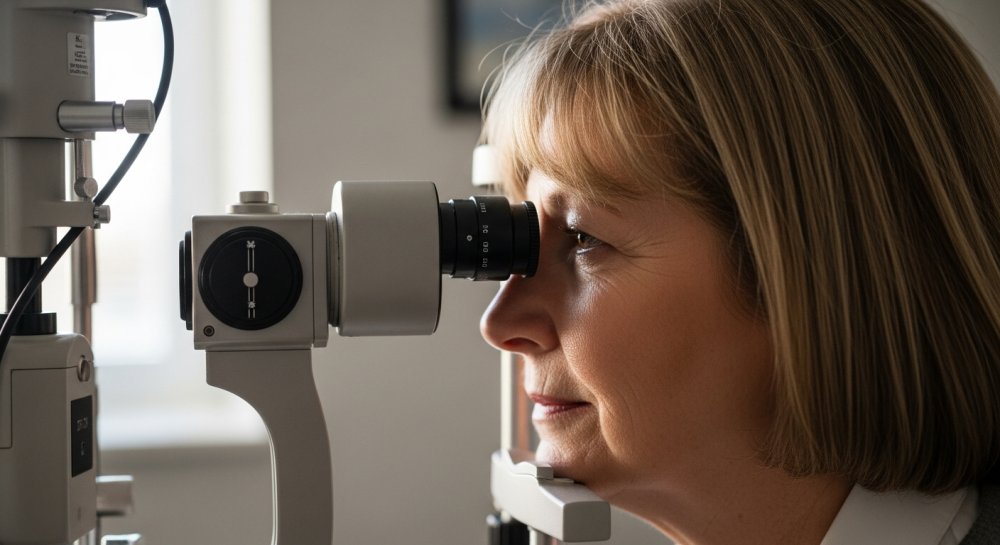
Perhaps most crucially, regular comprehensive eye exams become essential after age 60, even for those without symptoms. Eye care professionals can detect early AMD signs before vision changes become noticeable. For people with AMD in one eye, vigilant monitoring of the other eye is critical, as the condition can affect both eyes.
Many ophthalmologists recommend patients with AMD use an Amsler grid at home—a simple chart of horizontal and vertical lines. By checking the grid daily with each eye separately, people can quickly notice new distortions that might signal disease progression or conversion from dry to wet AMD.
The emotional impact of AMD deserves recognition too. Vision loss affects independence, from driving to reading to recognizing loved ones’ faces. Support groups, low vision rehabilitation services, and assistive devices can help people maintain quality of life even as they manage the condition.
Technology continues advancing to support those with central vision loss. Magnification devices, special lighting, high-contrast displays, and voice-activated systems help people adapt to visual changes. Many communities offer resources specifically designed for individuals with low vision.
Living with wet AMD requires adapting to a new normal, but it doesn’t mean surrendering to blindness. With prompt diagnosis, consistent treatment, and appropriate support, many people successfully manage the condition while preserving meaningful vision and independence well into their later years.
