Nutrition
The Legume Everyone Over 50 Should Be Eating More Of

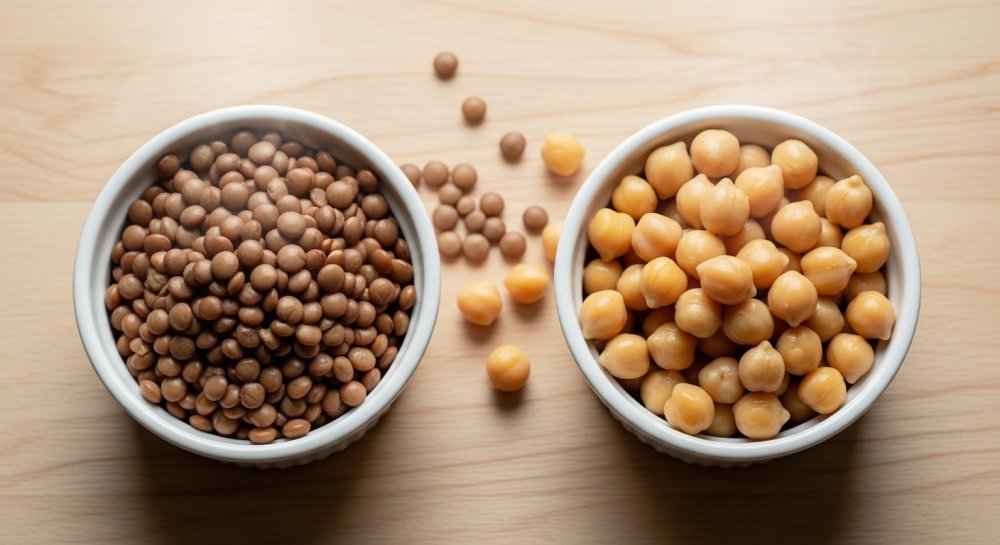
Health Points
- Lentils deliver nearly double the fiber of chickpeas, making them especially beneficial for digestive health and blood sugar control
- Both legumes are excellent plant-based protein sources, each providing about 15 grams per cooked cup
- Regular consumption of lentils and chickpeas supports heart health, weight management, and healthy aging
For adults looking to boost their nutrition after 40, two humble legumes stand out as nutritional powerhouses: lentils and chickpeas. Both have been dietary staples across cultures for centuries, but new research reveals important differences that could help you make smarter choices at the grocery store.
The debate isn’t about which one is “better” overall—both deserve a place in a healthy diet. But understanding their unique nutritional profiles can help you choose the right one for your specific health goals.
The Fiber Champion
When it comes to fiber content, lentils take the crown. A single cup of cooked lentils contains approximately 15.6 grams of fiber—that’s more than half the daily recommended intake for adults. Chickpeas, while still respectable, deliver about 12.5 grams per cup.
This difference matters more as we age. Fiber plays a crucial role in maintaining digestive health, supporting healthy cholesterol levels, and helping regulate blood sugar—all concerns that become more pressing after 50.
“Lentils are an exceptional source of both soluble and insoluble fiber, which work together to promote gut health and metabolic function,” explains registered dietitian Sarah Johnson. “For individuals managing blood sugar or trying to support heart health, that extra fiber can make a meaningful difference.”
Protein Powerhouses
In the protein department, lentils and chickpeas run neck-and-neck. Both provide around 15 grams of protein per cooked cup, making them excellent plant-based alternatives to meat.
This protein content is particularly valuable for older adults, who often need to be more intentional about meeting their protein needs to maintain muscle mass and strength. Plant-based proteins like these also come without the saturated fat found in many animal sources.
Micronutrients Make the Difference
Beyond the big numbers, lentils and chickpeas each bring unique micronutrient advantages to the table. Lentils excel in folate content, providing about 90% of the daily value in a single cup. They’re also rich in iron and manganese, minerals that support energy production and bone health.
Chickpeas, meanwhile, shine in their copper and manganese content, and they contain slightly more iron than lentils. They’re also a good source of B vitamins, which become increasingly important for maintaining cognitive function as we age.
Practical Considerations
Cooking time and convenience matter too. Lentils have a clear advantage here—they cook in just 20-30 minutes without pre-soaking. Red and yellow varieties cook even faster, often in 15 minutes or less.
Chickpeas require more planning. Dried chickpeas need overnight soaking and can take up to two hours to cook fully. Many people opt for canned chickpeas as a time-saving alternative, though they typically contain added sodium.
Digestive Tolerance
For some people, digestive comfort determines their legume preference. Both lentils and chickpeas contain oligosaccharides—complex sugars that can cause gas and bloating in some individuals.
“I generally recommend that people start with lentils if they’re new to eating legumes regularly,” Johnson notes. “Red and yellow lentils tend to be gentler on the digestive system than chickpeas or green lentils.”
Proper preparation can minimize digestive discomfort with either legume. Soaking, thorough cooking, and gradually increasing portion sizes allow your gut bacteria to adjust.
The Bottom Line
For most health goals—particularly blood sugar management, digestive health, and cholesterol support—lentils offer a slight nutritional edge. Their higher fiber content, combined with faster cooking times and better digestive tolerance, make them an especially practical choice for daily meals.
That said, chickpeas bring their own benefits and culinary versatility. Their firmer texture works well in salads and roasted preparations, and their mild flavor makes them appealing to picky eaters.
The healthiest approach? Include both in your regular rotation. Try lentil soup for lunch one day and a chickpea salad the next. Both legumes support the kind of varied, plant-forward eating pattern associated with healthy aging and longevity.
The real winner isn’t lentils or chickpeas—it’s anyone who makes room for either one on their plate several times a week.
