Nutrition
The Cruciferous Vegetable That Stands Out for Heart and Digestive Health

Health Points
- Both cabbage and cauliflower provide essential nutrients for cardiovascular and digestive wellness, though cabbage edges ahead in fiber content
- Cruciferous vegetables contain compounds that support heart health by reducing inflammation and protecting blood vessels
- Adding either vegetable to your diet can enhance gut bacteria diversity and promote healthy digestion
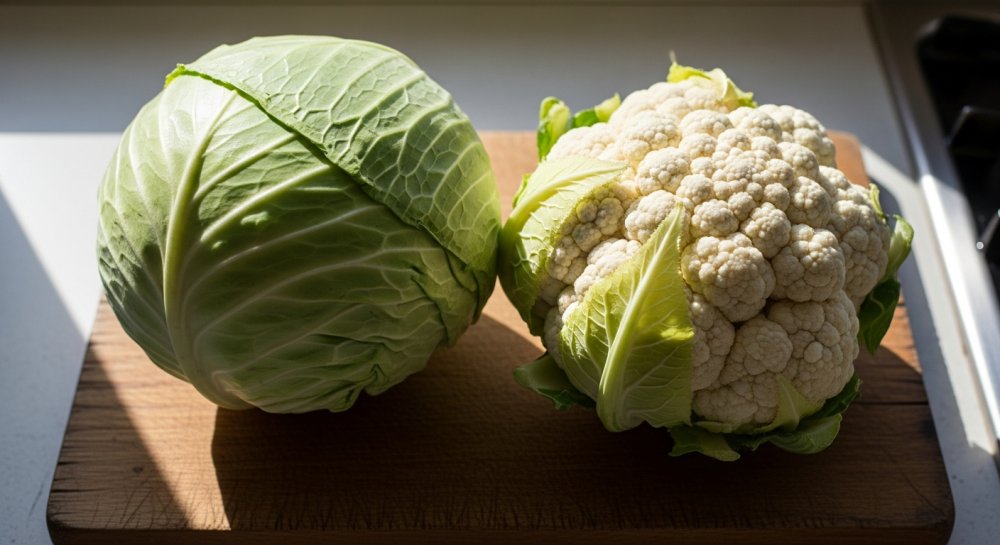
When it comes to choosing vegetables that pack the most nutritional punch for your heart and digestive system, two popular cruciferous options often compete for space on your plate. Both cabbage and cauliflower deliver impressive health benefits, but understanding their unique properties can help you make informed choices for your wellness goals.
These vegetables belong to the same botanical family and share many nutritional similarities. Both are low in calories yet rich in vitamins, minerals, and beneficial plant compounds that support multiple aspects of health, particularly for those focused on maintaining cardiovascular wellness and digestive comfort as they age.
Cabbage contains slightly more fiber than cauliflower, with one cup of raw cabbage providing about 2.2 grams compared to cauliflower’s 2 grams. This difference, while modest, can contribute to better digestive regularity and support healthy cholesterol levels, both important factors for heart health.
The fiber in both vegetables acts as food for beneficial gut bacteria, promoting a diverse microbiome that researchers increasingly link to overall health. A well-functioning digestive system helps the body absorb nutrients more efficiently and may reduce inflammation throughout the body, including in blood vessels.
Both vegetables contain glucosinolates, sulfur-containing compounds that break down into substances with potential heart-protective properties. These compounds may help reduce oxidative stress and inflammation, two key contributors to cardiovascular disease.
Cabbage stands out for its vitamin K content, providing more than 50% of the daily recommended intake in a single cup. Vitamin K plays a crucial role in blood clotting and bone health, and emerging research suggests it may also help prevent calcium buildup in arteries.
Cauliflower excels in vitamin C content, offering nearly 50% of your daily needs in one cup. This powerful antioxidant supports immune function and helps protect cells from damage that can contribute to heart disease.
For digestive health specifically, both vegetables can cause gas and bloating in some individuals, particularly when consumed in large amounts or if you’re not accustomed to eating cruciferous vegetables regularly. Starting with smaller portions and gradually increasing intake can help your digestive system adapt.
Cooking methods matter for both nutrition and digestibility. Steaming or roasting these vegetables can make them easier to digest while preserving most of their beneficial nutrients. Overcooking, particularly boiling, can reduce their vitamin content and diminish some of their health-promoting compounds.
Red and purple cabbage varieties contain anthocyanins, the same antioxidants found in berries, which may offer additional benefits for heart health by improving blood vessel function and reducing blood pressure.
Both vegetables fit easily into heart-healthy eating patterns. They’re naturally low in sodium and contain potassium, which helps balance sodium’s effects on blood pressure. Their high water content and low calorie density make them excellent choices for maintaining a healthy weight, another important factor for cardiovascular wellness.
For those managing specific digestive conditions, individual tolerance may vary. Some people with irritable bowel syndrome or other digestive sensitivities may find one vegetable easier to tolerate than the other, and working with a healthcare provider can help identify which works best for your situation.
The most practical approach is incorporating both vegetables into your regular meal rotation. This variety ensures you benefit from the unique nutritional profiles each offers while supporting both your heart and digestive health. Whether you prefer the crunch of fresh cabbage in slaws or the versatility of roasted cauliflower, both vegetables deserve a regular place in a health-conscious diet.
For adults over 40, when heart health becomes increasingly important and digestive efficiency may change, these affordable, accessible vegetables offer a simple way to support your body’s needs. The choice between cabbage and cauliflower ultimately comes down to personal preference, as both contribute meaningfully to overall wellness when enjoyed as part of a balanced diet rich in vegetables.
