Health
Red Light Therapy Sessions: The Frequency That Actually Works

Health Points
- Consistency matters more than session length when using red light therapy devices at home
- Most experts recommend 3-5 sessions per week for noticeable skin and pain relief benefits
- Clinical results typically appear after 8-12 weeks of regular treatment
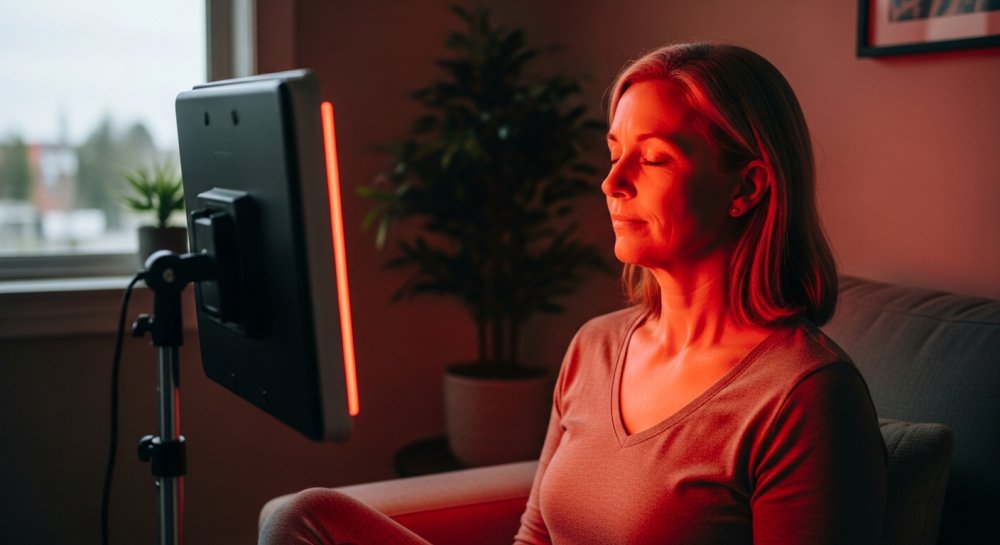
Red light therapy has emerged as a popular wellness treatment for everything from skin rejuvenation to muscle recovery, but determining the right frequency can leave many wondering how often they should actually use it. The answer depends on your specific health goals and the device you’re using.
For general wellness and skin health, most experts recommend starting with three to five sessions per week. Each session typically lasts between 10 to 20 minutes, depending on the device’s power output and your distance from the light source.
“The key to red light therapy is consistency rather than marathon sessions,” says Dr. Michael Hamblin, a photomedicine researcher at Harvard Medical School. “Your cells can only absorb so much light energy at one time, so shorter, more frequent sessions tend to be more effective than occasional long exposures.”
The science behind red light therapy centers on how specific wavelengths of light penetrate the skin and interact with cellular mitochondria. This process, called photobiomodulation, can stimulate collagen production, reduce inflammation, and promote healing at the cellular level.
For anti-aging and skin concerns, dermatologists often suggest daily sessions of 10-15 minutes positioned about 6-12 inches from the device. Users targeting fine lines, uneven skin tone, or overall complexion improvement should expect to maintain this routine for at least two to three months before seeing significant changes.
Pain management and muscle recovery may require a different approach. Athletes and those dealing with chronic pain conditions often benefit from 15-20 minute sessions five to seven times per week, focusing the light directly on affected areas.
“For acute injuries or post-workout recovery, we sometimes recommend twice-daily sessions in the initial stages,” notes physical therapist Dr. Sarah Johnson. “As inflammation decreases and healing progresses, you can typically reduce frequency to three or four times weekly for maintenance.”
The intensity and wavelength of your device also influence ideal frequency. Professional-grade panels with higher irradiance levels may require shorter, less frequent sessions compared to lower-powered consumer devices.
Most home devices operate in the 600-850 nanometer range, with red light around 660nm targeting skin concerns and near-infrared light at 850nm penetrating deeper for joint and muscle benefits.
Timing your sessions can also impact results. Many practitioners suggest morning sessions to help regulate circadian rhythms and boost energy, while evening use might interfere with sleep for some individuals.
“I typically advise patients to avoid red light therapy within two hours of bedtime,” explains integrative medicine physician Dr. Mark Chen. “The energizing effects can be counterproductive if you’re trying to wind down for sleep.”
Consistency proves more important than perfection when building a red light therapy routine. Missing occasional sessions won’t derail your progress, but sporadic use significantly reduces effectiveness compared to regular treatments.
Research suggests that benefits accumulate over time, with most clinical studies showing measurable improvements after 8-12 weeks of consistent use. Some users report noticing subtle changes in energy levels or skin texture within the first few weeks, while more dramatic results typically emerge after two to three months.
Once you achieve desired results, many experts recommend transitioning to a maintenance schedule. This might involve reducing sessions to two or three times weekly rather than stopping completely, as benefits can diminish when treatment is discontinued.
Safety considerations remain minimal with red light therapy, as these wavelengths don’t carry the cancer risks associated with UV light. However, eye protection is recommended during facial treatments, and those with photosensitivity or certain medical conditions should consult healthcare providers before beginning treatment.
Starting slowly allows you to gauge your body’s response. Begin with shorter 5-10 minute sessions three times weekly, gradually increasing duration and frequency based on how you feel and any results you observe.
Tracking your routine and outcomes helps identify what works best for your individual needs. Taking progress photos, noting pain levels, or journaling about sleep quality and energy can provide valuable feedback as you adjust your protocol.
The growing body of research supporting red light therapy continues to evolve, with new studies examining optimal frequencies for various conditions. While general guidelines provide a starting point, individual responses can vary based on skin type, age, overall health, and specific wellness goals.
