Health
The Bedtime Beverage That Could Transform Your Sleep Quality

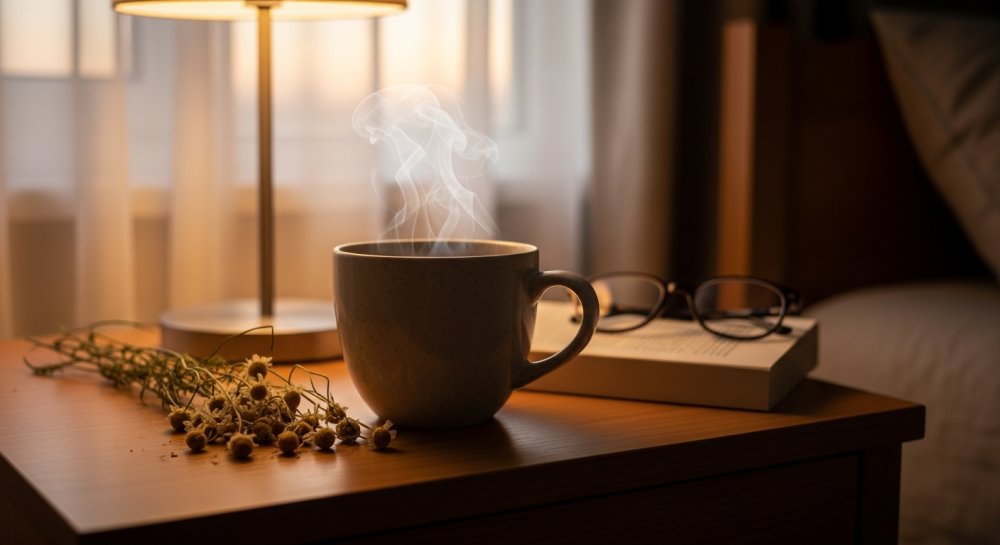
Health Points
- Certain herbal teas contain natural compounds that may promote relaxation and improve sleep quality without medication
- Chamomile, valerian root, and passionflower teas have the strongest scientific evidence supporting their sleep-enhancing benefits
- Drinking tea 30-60 minutes before bed as part of a consistent routine helps signal your body that it’s time to wind down
For millions of Americans struggling with occasional sleeplessness, the solution might be steeping in their kitchen cabinet. A growing body of research suggests that specific herbal teas can naturally support better sleep quality—without the grogginess or dependency concerns associated with sleep medications.
“Herbal teas have been used for centuries to promote relaxation and sleep,” explains Dr. Michael Breus, a clinical psychologist and board-certified sleep specialist. “What’s exciting is that modern science is now validating many of these traditional remedies.”
The key lies in bioactive compounds found in certain plants that interact with neurotransmitters in the brain, particularly GABA (gamma-aminobutyric acid), which helps calm nervous system activity.
The Science Behind Sleep-Supporting Teas
Not all bedtime teas are created equal. While the ritual of sipping a warm beverage can itself be soothing, specific varieties contain compounds with measurable effects on sleep quality.
Chamomile leads the research-backed options. This daisy-like flower contains apigenin, an antioxidant that binds to specific receptors in the brain that may decrease anxiety and initiate sleep. A 2016 study published in the Journal of Advanced Nursing found that new mothers who drank chamomile tea for two weeks reported better sleep quality and fewer symptoms of depression compared to those who didn’t.
Valerian root has an even longer history as a sleep aid, dating back to ancient Greece and Rome. Multiple studies suggest it may help people fall asleep faster and experience deeper sleep. The compounds in valerian appear to increase GABA levels in the brain, producing a mild sedative effect.
Passionflower tea offers another evidence-supported option. Research indicates it may improve sleep quality by boosting GABA production. A small study found that participants who drank passionflower tea for one week reported significantly better sleep quality than those who drank a placebo tea.
Additional Sleep-Promoting Options
Several other herbal teas show promise for supporting restful sleep, though research is more limited.
Lavender tea, made from the purple flowering plant known for its calming scent, may reduce anxiety and improve sleep when consumed as a beverage. The same aromatic compounds that make lavender popular in aromatherapy are present in the tea form.
Lemon balm, a member of the mint family, has been used since the Middle Ages to reduce stress and promote sleep. Modern research suggests it may help ease restlessness and sleep disturbances, particularly when combined with valerian root.
Magnolia bark tea contains compounds that may act on GABA receptors to promote relaxation. Traditional Chinese medicine has long used magnolia for stress relief and sleep support.
Even peppermint tea, while not a direct sleep aid, can contribute to better rest by easing digestive discomfort that might otherwise disrupt sleep. Its muscle-relaxing properties may help the body prepare for rest.
Green tea deserves special mention—but with a caveat. While it contains L-theanine, an amino acid that promotes relaxation, green tea also contains caffeine. For bedtime use, choose decaffeinated versions to avoid the stimulating effects of caffeine.
Making Tea Part of Your Sleep Routine
The effectiveness of bedtime tea extends beyond the beverage’s chemical compounds. The ritual itself plays an important role in sleep quality.
“Creating a consistent pre-sleep routine signals to your body that it’s time to wind down,” notes Dr. Breus. “Brewing and sipping tea can be a perfect anchor for that routine.”
For best results, enjoy your chosen tea 30 to 60 minutes before your target bedtime. This timing allows the active compounds to begin working while also ensuring you won’t need to wake up for bathroom trips in the middle of the night.
Steep your tea according to package directions—typically 5 to 10 minutes for most herbal varieties. Using water that’s hot but not boiling (around 200°F) helps extract beneficial compounds without creating bitterness.
Avoid adding sugar or honey close to bedtime, as the additional calories and potential blood sugar spike can interfere with sleep quality. If you must sweeten your tea, use minimal amounts.
Important Considerations
While herbal teas are generally safe for most people, they’re not without considerations. Some herbs can interact with medications or aren’t recommended for people with certain health conditions.
Valerian root, for instance, may interact with sedatives, anti-anxiety medications, and other sleep aids. Chamomile belongs to the same plant family as ragweed, so people with ragweed allergies should exercise caution.
Pregnant and nursing women should consult their healthcare provider before regularly consuming herbal teas, as some herbs haven’t been thoroughly studied for safety during pregnancy.
“Herbal teas are generally safe, but ‘natural’ doesn’t automatically mean ‘safe for everyone,'” advises Dr. Breus. “Anyone taking medications or with chronic health conditions should check with their doctor before adding herbal teas to their routine.”
If sleep problems persist despite good sleep hygiene and natural remedies, it’s important to consult a healthcare provider. Chronic insomnia can be a sign of underlying health issues that require professional evaluation.
For occasional sleeplessness or as part of a comprehensive approach to better sleep, these time-tested teas offer a gentle, enjoyable way to support your body’s natural rest processes—one soothing cup at a time.
