Nutrition
Three Groups Who May Need This Little-Known Mineral Supplement

Health Points
- Boron supplements may support bone health, particularly for postmenopausal women and individuals at risk for osteoporosis
- This trace mineral plays a role in vitamin D metabolism and hormone regulation, though more research is needed
- Most Americans get enough boron through diet, making supplementation necessary only for specific health conditions
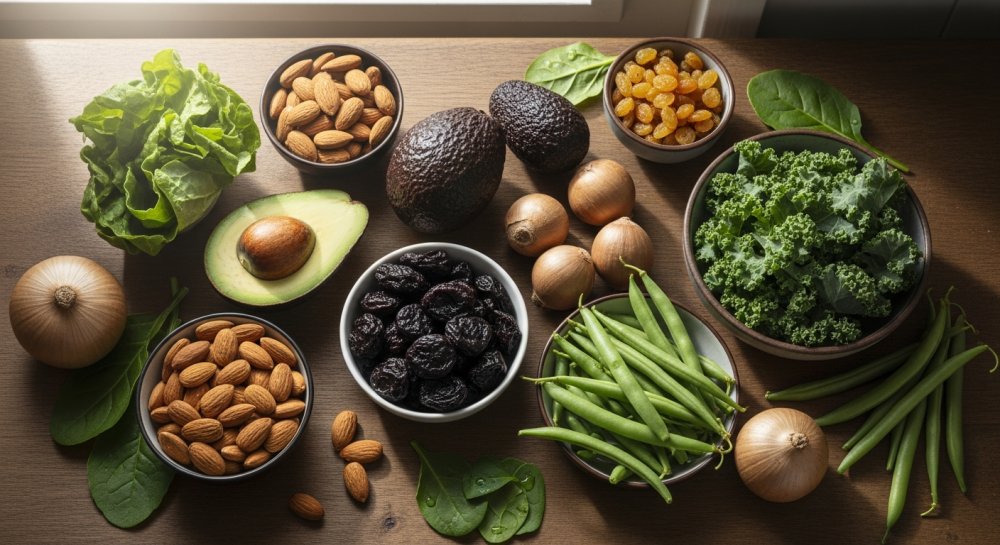
While vitamin D and calcium dominate conversations about bone health, a lesser-known mineral called boron is quietly gaining attention among wellness experts. This trace element, found naturally in foods like almonds, avocados, and leafy greens, may offer benefits for select groups—though it’s far from a one-size-fits-all solution.
Boron plays multiple roles in the body, from supporting bone density to influencing how we metabolize vitamin D and certain hormones. Despite its importance, most people consume adequate amounts through their regular diet. The question becomes: who actually needs supplementation?
Health experts identify three primary groups who might benefit from adding boron to their supplement regimen, though they caution against jumping on the bandwagon without proper guidance.
Postmenopausal Women Facing Bone Density Challenges
The first group includes postmenopausal women concerned about bone health. After menopause, declining estrogen levels can accelerate bone loss, increasing the risk of osteoporosis and fractures. Research suggests boron may help the body use calcium and magnesium more effectively, both critical minerals for maintaining strong bones.
Some studies indicate that boron supplementation could influence estrogen levels, potentially helping offset some of the hormonal changes that contribute to weakening bones. The typical dose studied ranges from 3 to 6 milligrams daily, though individual needs vary.
“Boron appears to play a supporting role in bone metabolism, but it shouldn’t replace proven interventions like weight-bearing exercise and adequate calcium intake,” nutrition researchers note.
Athletes and Active Individuals
The second category encompasses athletes and highly active individuals who place regular stress on their skeletal system. Intense physical activity, particularly high-impact sports, can increase nutritional demands across the board.
Emerging evidence suggests boron might support muscle coordination and brain function, potentially aiding athletic performance and recovery. Some athletes report improved focus and reduced inflammation when supplementing with boron, though controlled studies remain limited. The mineral’s role in hormone regulation may also influence testosterone levels in both men and women, which matters for muscle maintenance and recovery.
For this group, boron supplementation works best as part of a comprehensive nutrition strategy rather than a standalone solution.
People With Documented Deficiencies
The third group includes individuals with confirmed boron deficiency or conditions that impair mineral absorption. Certain digestive disorders, kidney disease, or long-term use of specific medications can interfere with how the body processes boron and other trace minerals.
Those following extremely restrictive diets that eliminate major food groups might also fall short on boron intake. Standard American diets typically provide between 1 and 2 milligrams of boron daily, primarily through plant-based foods.
“Anyone considering boron supplementation should first discuss their individual circumstances with a healthcare provider who can assess whether there’s a genuine need,” medical experts advise.
What the Research Actually Shows
While preliminary studies on boron appear promising, the scientific community hasn’t reached consensus on optimal dosing or definitive health claims. Much of the existing research involves small sample sizes or animal studies, limiting how confidently experts can make broad recommendations.
The body requires only trace amounts of boron—far less than major minerals like calcium or magnesium. This means the margin between adequate intake and excessive supplementation is relatively narrow. Taking too much boron can cause nausea, vomiting, and other digestive issues.
Most healthy adults who eat a varied diet rich in fruits, vegetables, and nuts likely meet their boron needs without supplements.
Food Sources Offer a Natural Alternative
Before turning to supplements, it’s worth examining dietary sources. Raisins, prunes, dates, and other dried fruits contain significant amounts of boron. Nuts like almonds and peanuts provide meaningful quantities as well.
Avocados, beans, and potatoes contribute to daily intake, along with wine and coffee—though moderation matters for these beverages. Leafy greens and other vegetables round out the food sources.
For most people over 40, focusing on a nutrient-dense diet that includes these foods will likely provide sufficient boron without additional supplementation. This approach also delivers fiber, antioxidants, and other beneficial compounds that work synergistically.
Safety Considerations and Interactions
The upper tolerable limit for boron sits at 20 milligrams per day for adults. Exceeding this threshold can lead to adverse effects. People taking hormone-related medications should exercise particular caution, as boron may influence estrogen and testosterone levels.
Those with kidney problems need medical supervision before adding boron supplements, since impaired kidney function can affect how the body eliminates excess minerals.
Pregnant and breastfeeding women should consult their healthcare providers before supplementing with boron, as safety data for these populations remains limited.
The Bottom Line on Boron
Boron supplementation isn’t necessary for everyone—or even most people. The three groups most likely to benefit include postmenopausal women working to preserve bone density, athletes with elevated nutritional demands, and individuals with confirmed deficiencies or absorption issues.
Even within these categories, boron works best as part of a broader health strategy that includes balanced nutrition, regular exercise, and other evidence-based interventions. The mineral shows promise, but it’s not a magic bullet for bone health or athletic performance.
Anyone considering boron supplements should start with a conversation with their doctor or a registered dietitian who can evaluate individual needs and potential interactions with existing medications or health conditions. Blood tests can determine whether a true deficiency exists before beginning supplementation.
For the majority of Americans over 40, eating a varied diet rich in plant-based foods will provide adequate boron without the need for pills or powders—a reminder that sometimes the best medicine comes from the produce aisle rather than the supplement shelf.
