Nutrition
The Surprising Fiber Secret That Could Transform Your Weight Loss Journey

Health Points
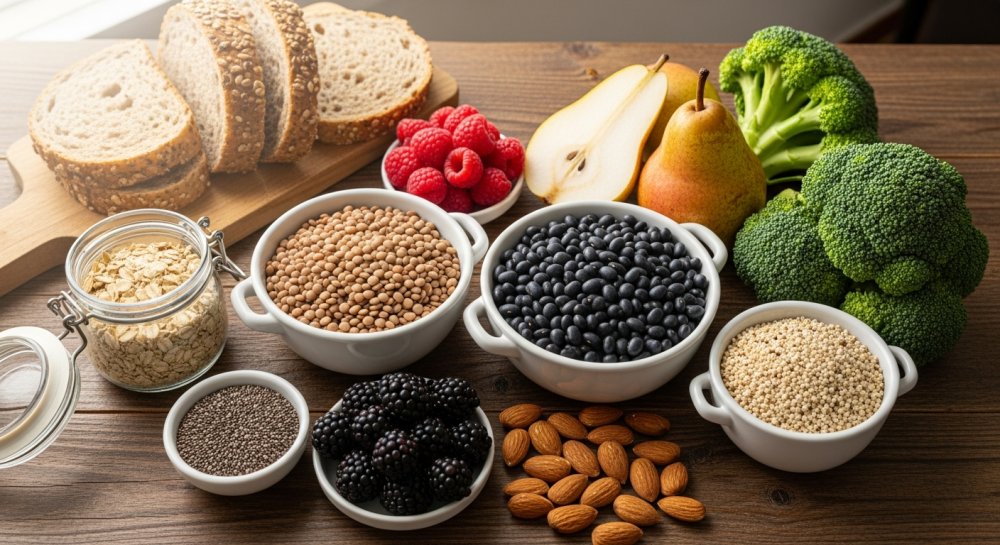
- Ten high-fiber foods can help control appetite and support healthy weight management through improved satiety and digestive health
- Fiber-rich foods slow digestion, stabilize blood sugar, and promote beneficial gut bacteria that may influence metabolism
- Registered dietitians recommend gradually increasing fiber intake to 25-35 grams daily for optimal health benefits
For those struggling with constant hunger while trying to maintain a healthy weight, the solution might be simpler than expected. A growing body of research confirms what nutrition experts have long known: fiber-rich foods offer powerful benefits for appetite control and weight management.
According to registered dietitians, incorporating the right high-fiber foods into daily meals can make a significant difference in how satisfied you feel throughout the day. These foods work by slowing digestion, stabilizing blood sugar levels, and supporting the beneficial bacteria in your gut that play a role in metabolism.
“Fiber is one of the most underutilized tools for weight management,” explains a nutrition expert specializing in digestive health. “It creates a feeling of fullness that lasts, which naturally helps people eat less without feeling deprived.”
The recommended daily fiber intake ranges from 25 to 35 grams for adults, yet most Americans consume far less. By strategically adding fiber-rich foods to your diet, you can bridge this gap while supporting your weight loss goals.
Legumes Lead the Pack
Beans, lentils, and chickpeas top the list of fiber-rich foods that deliver impressive satiety. A single cup of cooked lentils provides about 15 grams of fiber—more than half the daily recommendation for many adults. These versatile legumes also pack protein, creating a double benefit for appetite control.
Black beans, kidney beans, and navy beans offer similar benefits, each providing 12-15 grams of fiber per cooked cup. Adding these to soups, salads, or as a side dish can dramatically increase your fiber intake while keeping calories in check.
Whole Grains Make the Difference
Oats stand out among whole grains for their unique type of soluble fiber called beta-glucan, which forms a gel-like substance in your digestive tract. This slows stomach emptying and helps you feel satisfied longer after meals.
A bowl of steel-cut or rolled oats delivers about 4 grams of fiber, but the benefits extend beyond the numbers. Studies show that people who eat oatmeal for breakfast consume fewer calories throughout the day compared to those who eat lower-fiber breakfast options.
Quinoa, often called a superfood, provides 5 grams of fiber per cooked cup along with complete protein—a rare combination in plant foods. Brown rice, barley, and whole wheat products round out the grain options that support healthy digestion and sustained energy.
Vegetables That Fill You Up
Cruciferous vegetables like broccoli, Brussels sprouts, and cauliflower deliver substantial fiber along with vitamins and minerals. One cup of cooked broccoli contains about 5 grams of fiber, while Brussels sprouts provide even more at 6 grams per cup.
“These vegetables are incredibly nutrient-dense,” notes a registered dietitian focused on preventive health. “You get maximum nutrition with minimal calories, plus the fiber keeps hunger at bay for hours.”
Leafy greens, while lower in fiber per serving, become significant contributors when eaten in the larger portions typical of salads. Spinach, kale, and Swiss chard also provide folate, iron, and antioxidants that support overall health.
Fruits With Staying Power
Berries rank among the highest-fiber fruits, with raspberries leading at 8 grams per cup. Blackberries follow closely with 7.6 grams, while strawberries and blueberries provide 3-4 grams each.
The advantage of berries extends beyond fiber—they’re lower in sugar than many other fruits and rich in antioxidants. This makes them an ideal choice for satisfying sweet cravings while supporting weight management goals.
Pears and apples with their skins intact offer 5-6 grams of fiber each. The key is eating the whole fruit rather than drinking juice, which strips away the beneficial fiber and concentrates the natural sugars.
Seeds and Nuts for Sustained Energy
Chia seeds pack an extraordinary 10 grams of fiber into just two tablespoons. When mixed with liquid, they absorb up to 12 times their weight, creating a gel that expands in your stomach and promotes fullness.
Flaxseeds provide similar benefits with about 8 grams of fiber per quarter cup, plus omega-3 fatty acids that support heart health. Ground flaxseed is easier for your body to digest and absorb compared to whole seeds.
Almonds, though lower in fiber at 3.5 grams per ounce, combine fiber with healthy fats and protein. This nutrient trio creates lasting satiety that helps prevent overeating at subsequent meals.
Smart Strategies for Increasing Fiber
Nutrition experts emphasize the importance of gradually increasing fiber intake rather than making dramatic overnight changes. A sudden spike in fiber consumption can lead to digestive discomfort, bloating, and gas.
“Start by adding one high-fiber food per day and give your body time to adjust,” advises a dietitian specializing in gastrointestinal health. “Drink plenty of water as you increase fiber—it needs fluid to do its job effectively.”
Pairing fiber with adequate hydration is essential because fiber absorbs water as it moves through your digestive system. Without enough fluid, fiber can actually contribute to constipation rather than preventing it.
The Gut Health Connection
Recent research reveals that fiber’s benefits extend beyond simple fullness. The fiber you eat feeds beneficial bacteria in your gut, which produce short-chain fatty acids that may influence metabolism and fat storage.
This emerging science suggests that a high-fiber diet doesn’t just reduce calorie intake through satiety—it may actually change how your body processes and stores energy. The diverse bacteria in a fiber-rich gut appear to communicate with fat cells and influence appetite hormones.
Different types of fiber support different bacterial species, which is why variety matters. Eating a wide range of high-fiber foods creates a more diverse gut microbiome, potentially offering greater metabolic benefits than relying on just one or two fiber sources.
Practical Meal Planning Tips
Building high-fiber meals doesn’t require complicated recipes or expensive ingredients. Simple swaps can dramatically increase your daily fiber intake without changing your eating patterns drastically.
Replace white rice with quinoa or brown rice, choose whole grain bread instead of refined varieties, and add beans to soups and salads. These straightforward substitutions can add 10-15 grams of fiber to your daily total.
For snacks, keep fruits, vegetables with hummus, or a small handful of almonds readily available. These options provide fiber along with other nutrients, making them superior choices to processed snack foods that offer little nutritional value.
Beyond Weight Loss Benefits
While fiber’s role in weight management garners significant attention, its health benefits extend much further. Adequate fiber intake supports regular digestion, helps maintain healthy cholesterol levels, and may reduce the risk of certain chronic diseases.
Research consistently links high-fiber diets with lower rates of heart disease, type 2 diabetes, and certain cancers. The same foods that help with weight control also protect long-term health—a powerful combination that underscores why fiber deserves a central place in any healthy eating plan.
For those over 40, maintaining adequate fiber intake becomes increasingly important as metabolism naturally slows and digestive function can decline. The foods that support healthy aging align perfectly with those that aid weight management, making fiber-rich eating a wise long-term strategy.
Starting with small, sustainable changes and gradually building toward the recommended fiber intake offers the best chance of success. Whether your goal is weight loss, better digestion, or overall health improvement, these ten high-fiber foods provide a solid foundation for achieving lasting results.
