Nutrition
The Surprising Winner Between Two Popular Breakfast Staples

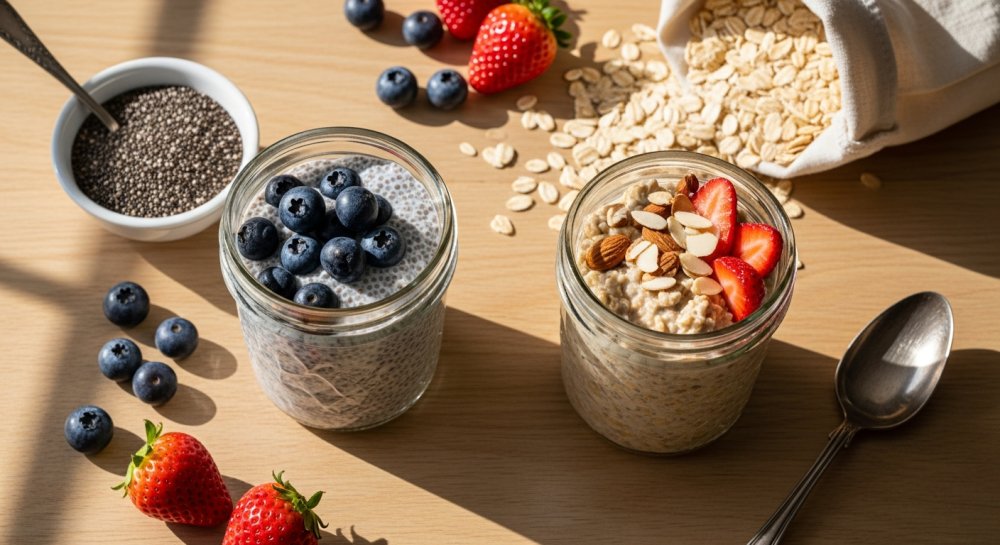
Health Points
- Both chia seed pudding and overnight oats are fiber-rich breakfast options that support digestive health and satiety
- Chia seeds contain more omega-3 fatty acids and calcium, while oats provide more protein and B vitamins
- The healthiest choice depends on your individual nutritional needs, taste preferences, and dietary goals
Two breakfast trends have captured the attention of health-conscious Americans in recent years, and for good reason. Both chia seed pudding and overnight oats offer convenient, nutrient-dense options for busy mornings. But when it comes to supporting traditional family wellness values and optimal nutrition, which one truly deserves a place on your breakfast table?
These make-ahead meals have become staples in households seeking wholesome, time-tested approaches to morning nutrition. The question isn’t just about taste—it’s about which option provides the strongest nutritional foundation for you and your loved ones.
Understanding Chia Seed Pudding
Chia seeds have been valued for their nutritional properties for centuries. When soaked in liquid, these tiny seeds absorb up to 12 times their weight, creating a gel-like consistency that forms the base of chia pudding.
A typical serving of chia seed pudding contains approximately 138 calories, 5 grams of protein, 9 grams of fat, and 12 grams of carbohydrates. The standout feature is the impressive 10 grams of fiber per serving—nearly 40% of the daily recommended intake.
“Chia seeds are particularly rich in omega-3 fatty acids, specifically alpha-linolenic acid, which supports heart health,” notes nutrition experts. The seeds also provide substantial amounts of calcium, magnesium, and phosphorus, minerals essential for bone health—an especially important consideration for those over 40.
The Overnight Oats Advantage
Overnight oats have earned their reputation as a breakfast powerhouse. Made by soaking rolled oats in milk or a milk alternative, this preparation method preserves nutrients while creating a creamy, satisfying texture.
A standard serving of overnight oats provides approximately 150 calories, 6 grams of protein, 3 grams of fat, and 27 grams of carbohydrates. The fiber content typically reaches 4 grams per serving, though this varies based on the type of oats used.
Oats contain a special type of soluble fiber called beta-glucan, which has been extensively studied for its cholesterol-lowering properties. This makes overnight oats particularly valuable for cardiovascular health, a priority that becomes increasingly important with age.
Additionally, oats provide more B vitamins than chia seeds, including thiamin, riboflavin, and niacin. These nutrients play crucial roles in energy metabolism and supporting healthy brain function.
Comparing Nutritional Profiles
When examining these breakfast options side by side, several key differences emerge. Chia seed pudding contains more than twice the omega-3 fatty acids found in oats, making it the superior choice for those looking to boost their intake of these essential fats.
In terms of minerals, chia seeds provide approximately 179 milligrams of calcium per serving compared to oats’ 20 milligrams. This significant difference makes chia pudding a valuable option for maintaining bone density, particularly for women navigating hormonal changes.
However, overnight oats edge ahead in protein content, offering about 6 grams per serving compared to chia pudding’s 5 grams. This modest difference can contribute to better satiety throughout the morning.
The fiber story is more nuanced than simple numbers suggest. While chia pudding contains more total fiber, the beta-glucan in oats provides specific cardiovascular benefits that chia seeds don’t offer in the same way.
Digestive Considerations
Both options support digestive health, but they work in different ways. The soluble fiber in chia seeds feeds beneficial gut bacteria and helps regulate bowel movements by absorbing water in the digestive tract.
Oats provide both soluble and insoluble fiber, creating a complementary effect on digestive function. The fermentable fiber in oats acts as a prebiotic, supporting the growth of healthy bacteria in the gut microbiome.
For individuals with sensitive digestion, starting with smaller portions of either option is wise. The high fiber content, while beneficial, can cause temporary digestive discomfort if introduced too quickly into the diet.
Blood Sugar Management
Both chia seed pudding and overnight oats have a relatively low glycemic impact compared to many traditional breakfast options. The high fiber content in both slows the absorption of carbohydrates, helping to prevent rapid spikes in blood sugar.
Chia seeds have a particularly impressive ability to slow gastric emptying, which means you feel fuller longer and experience more stable energy levels throughout the morning. This quality makes chia pudding especially valuable for those monitoring blood sugar levels.
Oats, with their beta-glucan content, have been shown to improve insulin sensitivity over time. Regular consumption may support better long-term blood sugar control.
Customization and Practicality
Both breakfast options offer remarkable versatility. Chia pudding can be prepared with any type of milk—dairy, almond, coconut, or oat—and flavored with vanilla, cocoa, or fruit.
Overnight oats accept a wide range of additions, from fresh berries and nuts to nut butters and spices. This adaptability means families can tailor each breakfast to individual preferences while maintaining nutritional benefits.
Preparation time is minimal for both options. Chia pudding requires just five minutes of stirring and sets overnight in the refrigerator. Overnight oats need even less active time—simply combine ingredients and refrigerate.
Cost Considerations
Budget-conscious families will appreciate that both options are economically sensible. A pound of chia seeds typically costs between $8 and $15 and yields numerous servings. Rolled oats remain one of the most affordable whole grains, with a large container costing just a few dollars.
The ability to prepare multiple servings at once makes both options efficient for busy households. Making a week’s worth of breakfast in one session saves both time and money compared to purchasing pre-made breakfast items.
Making Your Choice
The decision between chia seed pudding and overnight oats ultimately depends on individual nutritional priorities. Those seeking maximum omega-3 fatty acids and calcium should lean toward chia pudding. Individuals prioritizing protein content and B vitamins may find overnight oats more aligned with their goals.
Many nutrition-focused families find that alternating between these options provides the best of both worlds. This approach ensures a diverse nutrient intake while preventing breakfast boredom.
Consider your specific health circumstances as well. If bone health is a primary concern, chia pudding’s calcium content makes it particularly valuable. For those focused on heart health and cholesterol management, the beta-glucan in oats offers proven benefits.
The Bottom Line
Both chia seed pudding and overnight oats represent wholesome, nutrient-dense breakfast choices that align with traditional values of taking care of one’s health and family. Neither option contains the processed ingredients or excessive sugars found in many commercial breakfast products.
The true winner depends entirely on your personal health goals, taste preferences, and nutritional needs. Both options support sustained energy, digestive health, and overall wellness—exactly what a good breakfast should provide.
Rather than viewing this as an either-or decision, consider incorporating both into your weekly breakfast rotation. This balanced approach ensures comprehensive nutrition while keeping your morning meal interesting and satisfying.
