Health
The Tick-Borne Illness Spreading Across America That Doctors Say You Need to Know About

Health Points
- Lyme disease is a bacterial infection transmitted through tick bites that affects approximately 476,000 Americans annually
- Early symptoms include a distinctive bull’s-eye rash, fever, and fatigue, while untreated cases can lead to serious neurological and cardiac complications
- Prompt antibiotic treatment within the first few weeks typically results in full recovery, making early detection critical
As warmer weather draws more Americans outdoors for hiking, gardening, and camping, health experts are urging increased awareness of Lyme disease—a condition that has quietly become one of the nation’s most common vector-borne illnesses. What many don’t realize is that this bacterial infection, transmitted through the bite of infected blacklegged ticks, now affects nearly half a million people across the United States each year.
The disease takes its name from Lyme, Connecticut, where researchers first identified a cluster of cases in 1975. Since then, reported cases have surged, particularly in the Northeast, Mid-Atlantic, and upper Midwest regions. Yet despite its prevalence, Lyme disease remains widely misunderstood—and that knowledge gap can have serious consequences for those who contract it.
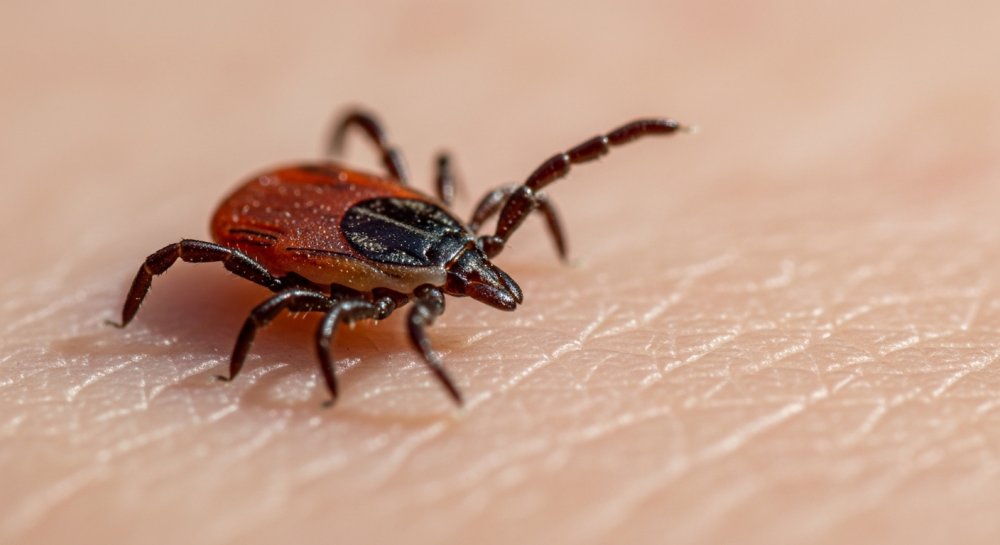
Understanding how Lyme disease develops begins with recognizing its source. The condition is caused by the bacterium Borrelia burgdorferi, which lives in blacklegged ticks—commonly called deer ticks. These tiny arachnids, often no larger than a poppy seed in their nymph stage, pick up the bacteria by feeding on infected mice, deer, and other small mammals.
When an infected tick latches onto a human host, it can transmit the bacteria into the bloodstream. Transmission typically requires the tick to remain attached for 36 to 48 hours, which is why prompt tick removal is so crucial. Many people never notice the bite, as these ticks are remarkably small and their saliva contains compounds that numb the skin.
The early signs of Lyme disease often appear within three to 30 days after a tick bite. The most characteristic symptom is erythema migrans—a distinctive circular rash that expands outward from the bite site. This “bull’s-eye” rash appears in approximately 70 to 80 percent of infected individuals, though its appearance can vary significantly from person to person.
Beyond the rash, early-stage Lyme disease frequently presents with flu-like symptoms including fever, chills, fatigue, body aches, headache, and swollen lymph nodes. These nonspecific symptoms can easily be mistaken for a common viral infection, leading some patients to delay seeking medical care—a decision that can prove costly.
When Lyme disease goes untreated, the bacteria can spread throughout the body, leading to more severe complications weeks or months after the initial infection. These later-stage manifestations can affect multiple organ systems and prove far more difficult to treat than early-stage disease.
Neurological complications represent some of the most concerning late-stage symptoms. Patients may develop facial palsy, severe headaches with neck stiffness, or nerve pain that radiates through the limbs. In rare cases, the infection can cause inflammation of the brain and spinal cord—conditions known as meningitis and encephalitis.
The heart can also fall victim to untreated Lyme disease. A complication called Lyme carditis occurs when the bacteria invade cardiac tissue, potentially disrupting the electrical signals that control heartbeat. This can result in heart palpitations, chest pain, shortness of breath, and in severe cases, dangerous heart block requiring temporary pacemaker placement.
Joint problems represent another hallmark of late-stage Lyme disease. Severe joint pain and swelling—particularly in the knees—can develop months after infection. These episodes of arthritis may come and go, sometimes lasting weeks at a time and significantly impacting quality of life.
Diagnosing Lyme disease requires careful clinical evaluation. Physicians typically base their assessment on symptoms, physical findings like the characteristic rash, and potential tick exposure in endemic areas. Blood tests can confirm the diagnosis, though these tests have limitations—they may produce false negatives in the early weeks of infection before the body has mounted a full immune response.
The good news is that Lyme disease responds well to treatment when caught early. Standard therapy involves a course of oral antibiotics—typically doxycycline, amoxicillin, or cefuroxime—for two to four weeks. Most patients experience complete recovery with no lasting effects when treatment begins within the first few weeks of infection.
More advanced cases may require longer antibiotic courses or intravenous treatment, particularly when neurological or cardiac symptoms are present. While most patients recover fully even with late-stage disease, some individuals continue to experience lingering symptoms—a controversial condition sometimes referred to as post-treatment Lyme disease syndrome.
Prevention remains the most effective strategy against Lyme disease. Health authorities recommend several practical measures for those spending time in wooded or grassy areas where ticks thrive. Wearing long sleeves and pants, using EPA-approved insect repellents containing DEET or picaridin, and treating clothing with permethrin can significantly reduce tick exposure.
Thorough tick checks after outdoor activities are essential. Examining the entire body—including the scalp, behind the ears, underarms, and groin area—can help identify attached ticks before they’ve had time to transmit bacteria. Showering within two hours of coming indoors and tumble-drying clothes on high heat for 10 minutes can kill any ticks that may have hitched a ride.
If you discover an attached tick, proper removal technique matters. Using fine-tipped tweezers, grasp the tick as close to the skin’s surface as possible and pull upward with steady, even pressure. Avoid twisting or jerking, which can cause mouthparts to break off and remain in the skin. Clean the bite area thoroughly with rubbing alcohol or soap and water.
Landscaping choices can also reduce tick populations around homes. Creating a barrier of wood chips or gravel between lawns and wooded areas, keeping grass mowed short, clearing leaf litter, and discouraging deer from entering yards all help minimize tick habitat near living spaces.
As climate change expands the geographic range where ticks can survive and thrive, experts predict Lyme disease may become an even greater public health concern in coming years. Warmer temperatures and longer warm seasons allow tick populations to flourish in areas where they were previously uncommon, putting more Americans at risk.
For now, awareness and vigilance remain the best defenses. Recognizing the signs of Lyme disease, understanding risk factors, and taking preventive measures can help protect individuals and families from this increasingly common infection. When it comes to tick-borne illness, an ounce of prevention truly is worth a pound of cure—and early detection can make all the difference in achieving a full recovery.
