Health
The Hidden Hormone That Controls More Than You Think

Health Points
- Prolactin regulates reproduction, metabolism, immune function, and behavior beyond just milk production
- Elevated prolactin levels can cause irregular periods, low testosterone, and bone density loss
- Stress, certain medications, and thyroid disorders are common causes of abnormal prolactin
When most people hear about prolactin, they think of breastfeeding. But this powerful hormone does far more than help new mothers produce milk. Recent research reveals that prolactin influences everything from your immune system to your bone health, playing a crucial role in overall wellness for both women and men.
Prolactin is produced by the pituitary gland, a pea-sized structure at the base of your brain. While its name comes from its role in lactation, scientists now understand that this hormone affects multiple body systems throughout your life.
“Prolactin is involved in over 300 biological functions,” explains Dr. Sarah Mitchell, an endocrinologist specializing in hormonal health. “We’re still discovering new ways it influences our bodies.”
For women, prolactin levels naturally fluctuate during pregnancy and breastfeeding, sometimes increasing by ten to twenty times normal levels. This surge triggers milk production and helps regulate the reproductive system during the postpartum period. But even when you’re not nursing, prolactin continues working behind the scenes.
The hormone plays a significant role in regulating your menstrual cycle and supporting fertility. It also influences your metabolism, helping control how your body processes food and manages weight. Research shows prolactin affects your immune response, potentially explaining why some people experience changes in their health during different hormonal phases.
Men produce prolactin too, though in smaller amounts than women. In men, this hormone helps regulate testosterone production and supports reproductive function. It also contributes to immune system health and metabolic processes.
When prolactin levels climb too high—a condition called hyperprolactinemia—it can create noticeable health problems. Women may experience irregular or absent periods, unexpected breast milk production, and difficulty conceiving. Men might notice decreased libido, erectile dysfunction, and reduced muscle mass.
“High prolactin can really impact quality of life,” notes Dr. Mitchell. “Many patients don’t realize their symptoms are connected to this one hormone.”
Both sexes may experience bone density loss with prolonged elevated prolactin, increasing the risk of osteoporosis. Headaches and vision changes can occur if a pituitary tumor is pressing on nearby structures. Some people report mood changes, fatigue, and unexplained weight gain.
Several factors can push prolactin levels higher than normal. Stress is a significant trigger—your body releases more prolactin during physical or emotional stress. Certain medications, particularly antipsychotics and some blood pressure drugs, can raise prolactin as a side effect.
Thyroid problems, especially an underactive thyroid, often lead to elevated prolactin. Small benign tumors on the pituitary gland called prolactinomas are another common cause. These tumors are usually not cancerous but require medical management.
On the flip side, unusually low prolactin levels are less common but can occur. Some research suggests low prolactin may be linked to metabolic syndrome and increased cardiovascular risk, though more study is needed in this area.
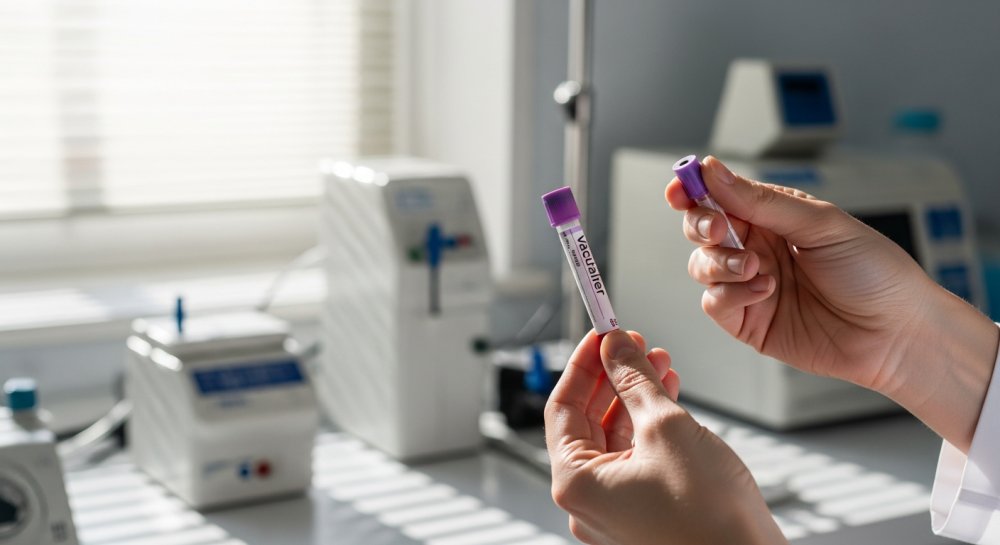
If you’re experiencing symptoms that might indicate abnormal prolactin levels, your healthcare provider can order a simple blood test. Because prolactin naturally rises with stress, exercise, and eating, the test is typically done in the morning after fasting.
“We usually test prolactin levels two or three times to confirm the results,” explains Dr. Robert Chen, a family medicine physician. “A single elevated reading doesn’t always mean there’s a problem.”
Treatment depends on the underlying cause. If medication is triggering high prolactin, your doctor might adjust your prescription. For prolactinomas, medications that reduce prolactin production are highly effective in most cases. These drugs can shrink tumors and restore normal hormone levels within weeks to months.
Thyroid replacement therapy can normalize prolactin if hypothyroidism is the culprit. In rare cases where tumors don’t respond to medication or cause significant vision problems, surgery may be necessary. Radiation therapy is another option for difficult cases.
Lifestyle factors also matter. Managing stress through regular exercise, adequate sleep, and relaxation techniques can help keep prolactin in a healthy range. Avoiding excessive breast stimulation and wearing properly fitting bras may help if you’re experiencing unwanted milk production.
Understanding prolactin’s wide-ranging effects highlights why hormonal balance matters so much for overall health. This often-overlooked hormone influences your reproductive health, bone strength, immune function, and metabolism—all critical components of healthy aging.
If you notice changes in your menstrual cycle, unexplained milk production, sexual dysfunction, or persistent fatigue, consider discussing prolactin testing with your healthcare provider. Early detection and treatment of hormonal imbalances can prevent complications and improve your quality of life as you age.
The more we learn about prolactin, the more we appreciate its importance beyond motherhood. For both women and men, maintaining healthy prolactin levels supports your body’s complex systems working together to keep you feeling your best.
