Nutrition
Lung Cancer Outlook Improves With Early Detection

Health Points
- Early screening significantly raises survival chances for non-small cell lung cancer.
- Modern treatment plans combine surgery, medication, and supportive care.
- Regular check-ups and lifestyle changes remain essential for long-term health.
Non-small cell lung cancer remains the most common form of lung cancer, yet the outlook for many patients continues to brighten.
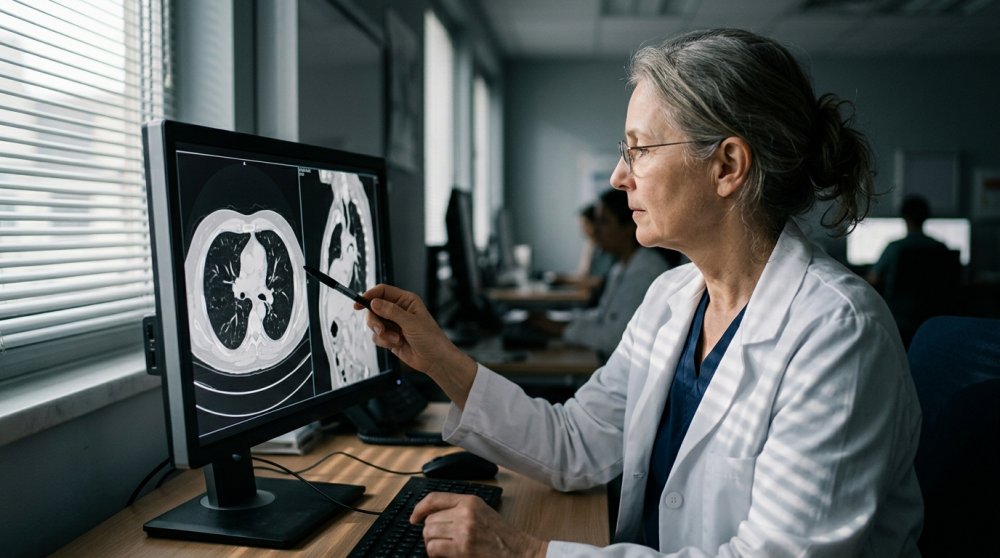
Medical teams now rely on low-dose CT scans to spot tumors at their earliest stages. When discovered early, these cancers often respond well to treatment.
“Early detection remains the single most important factor in improving outcomes,” says a thoracic oncologist at a major cancer center.
Treatment choices vary according to cancer stage, overall health, and patient preference. Options include minimally invasive surgery, targeted drugs, and radiation therapy.
“We individualize care for every patient so we can preserve quality of life while fighting the disease,” notes a pulmonologist who specializes in thoracic malignancies.
Supportive care programs help patients manage side effects and maintain strength during treatment. Nutrition counseling, physical therapy, and emotional support all play important roles.
Long-term wellness also depends on daily habits. Quitting tobacco, staying active, and keeping follow-up appointments all contribute to lasting health.
