Nutrition
This Overlooked Snack Packs 12 Grams of Protein Per Serving

Health Points
- Pumpkin seeds deliver 12 grams of plant-based protein per quarter-cup serving
- Rich in magnesium and zinc, these seeds support immune function and bone health
- Regular consumption may improve sleep quality and promote heart health
Nutrition experts are spotlighting an affordable pantry staple that delivers impressive health benefits—pumpkin seeds. These small but mighty seeds pack a substantial protein punch while offering a range of nutrients that support overall wellness for adults navigating midlife and beyond.
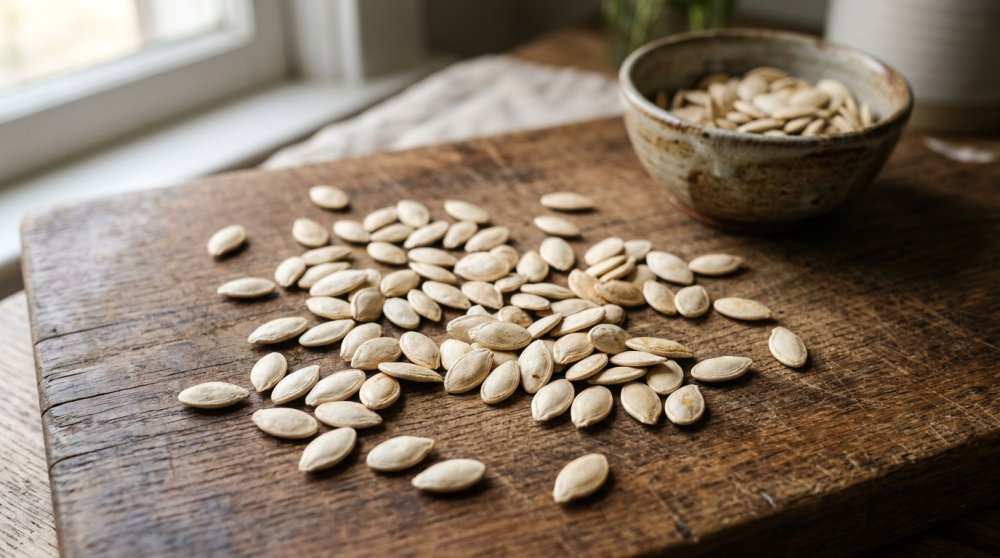
Often relegated to fall decorating or discarded after carving jack-o’-lanterns, pumpkin seeds deserve a permanent place in your kitchen year-round. A single quarter-cup serving provides 12 grams of protein, making them an excellent option for those looking to increase their protein intake without relying on animal products.
The protein content in pumpkin seeds rivals many traditional protein sources. For comparison, that quarter-cup serving offers more protein than two large eggs. This makes them particularly valuable for vegetarians, vegans, and anyone seeking to diversify their protein sources while maintaining muscle mass—a priority that becomes increasingly important after age 40.
Beyond protein, pumpkin seeds stand out for their mineral content. They’re particularly rich in magnesium, a nutrient that many Americans don’t get enough of through diet alone. Magnesium plays a crucial role in over 300 enzymatic reactions in the body, including those that regulate blood pressure, blood sugar levels, and nerve function.
Research suggests that adequate magnesium intake may help improve sleep quality—a concern for many adults experiencing age-related changes in sleep patterns. The mineral helps regulate neurotransmitters that calm the nervous system and prepare the body for rest.
Zinc is another standout nutrient in pumpkin seeds. This essential mineral supports immune function, wound healing, and the maintenance of taste and smell—senses that can diminish with age. Just one ounce of pumpkin seeds provides about 20% of the daily recommended zinc intake.
Heart health represents another compelling reason to incorporate these seeds into your diet. Pumpkin seeds contain healthy unsaturated fats, including omega-3 and omega-6 fatty acids. Studies indicate that regular consumption of seeds and nuts is associated with lower levels of harmful LDL cholesterol and reduced inflammation—both key factors in cardiovascular health.
The seeds also contain plant compounds called phytosterols, which have a similar structure to cholesterol. When consumed, these compounds can help block cholesterol absorption in the digestive tract, potentially contributing to healthier cholesterol levels over time.
For those managing blood sugar concerns, pumpkin seeds offer potential benefits. Some research suggests that pumpkin seed consumption may help improve insulin regulation and protect against complications associated with diabetes. The combination of protein, healthy fats, and fiber helps slow sugar absorption, preventing the sharp spikes and crashes that can occur with high-carbohydrate snacks.
Antioxidants represent yet another health advantage. Pumpkin seeds contain vitamin E and carotenoids, compounds that help protect cells from damage caused by free radicals. This cellular protection becomes increasingly important as we age, when oxidative stress can contribute to various health challenges.
Incorporating pumpkin seeds into your daily routine couldn’t be simpler. They make an excellent standalone snack, either raw or roasted. Many people enjoy them sprinkled over salads, yogurt, or oatmeal for added crunch and nutrition. They can also be blended into smoothies, ground into pesto, or mixed into homemade granola and energy bars.
When purchasing pumpkin seeds, you have several options. Whole seeds with shells, known as pepitas when shelled, are available in most grocery stores. Both varieties offer similar nutritional benefits, though shelled seeds are more convenient for most uses. Look for unsalted or lightly salted versions to keep sodium intake in check.
Storage is straightforward—keep them in an airtight container in a cool, dark place. For extended freshness, refrigeration works well and can prevent the healthy oils from becoming rancid. Properly stored, pumpkin seeds maintain their quality for several months.
For those concerned about portion control, remember that while pumpkin seeds are nutritious, they’re also calorie-dense. A quarter-cup serving contains approximately 180 calories. This isn’t a reason to avoid them, but rather to be mindful of serving sizes, especially if you’re watching your caloric intake.
The versatility of pumpkin seeds extends to various cuisines and cooking styles. They feature prominently in Mexican cooking, where pepitas are used in sauces and garnishes. Middle Eastern and Mediterranean dishes often incorporate them as well. This cross-cultural appreciation speaks to both their flavor and nutritional value.
For anyone looking to support bone health, the mineral profile of pumpkin seeds offers additional benefits. Along with magnesium, they provide phosphorus and manganese—minerals that work together with calcium to build and maintain strong bones. This becomes particularly important for women navigating post-menopausal bone density changes.
The evidence supporting pumpkin seeds as a nutritional powerhouse continues to grow. As research uncovers more about the connection between diet and healthy aging, these unassuming seeds stand out as an accessible, affordable way to support multiple aspects of health. Whether you’re focused on maintaining muscle mass, supporting heart health, improving sleep quality, or simply adding more variety to your diet, pumpkin seeds deliver substantial benefits in a small package.
