Nutrition
Four Powerhouse Seeds and Nuts Cardiologists Say Boost Heart Protection After 40

Health Points
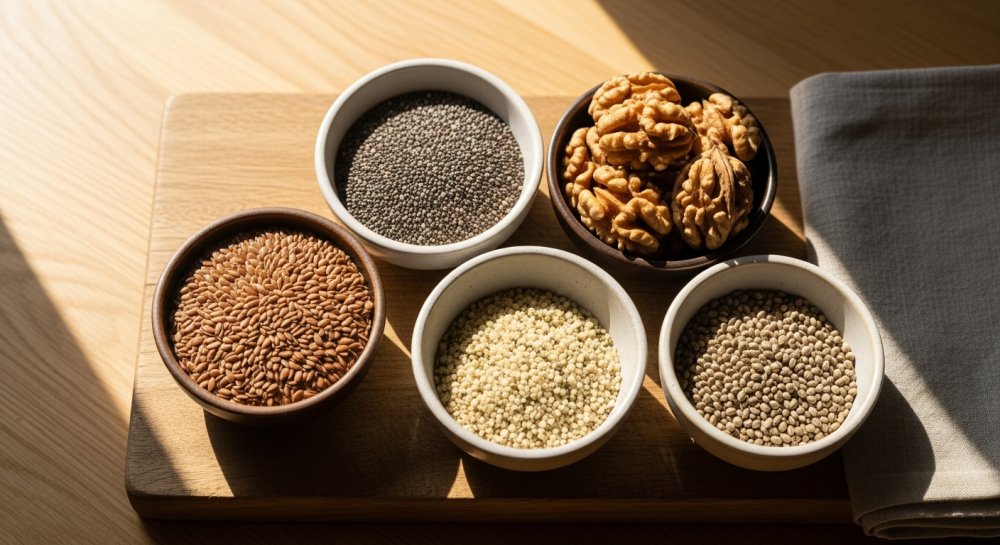
- Flaxseeds, chia seeds, walnuts, and hemp seeds deliver plant-based omega-3s that support cardiovascular health as we age
- Research shows regular consumption of these foods may reduce inflammation and improve cholesterol levels
- A small daily serving can provide substantial heart-protective benefits without supplements
For adults over 40 looking to strengthen their cardiovascular health naturally, four readily available nuts and seeds stand out for their remarkable omega-3 fatty acid content. These plant-based powerhouses offer an accessible way to support heart function as aging brings new health considerations.
Omega-3 fatty acids have earned their reputation as essential nutrients for maintaining healthy hearts, reducing inflammation throughout the body, and supporting cognitive function. While fish often takes center stage in omega-3 discussions, certain seeds and nuts provide plant-based alternatives that fit seamlessly into daily routines.
Flaxseeds lead the group with an impressive omega-3 profile. Just one tablespoon of ground flaxseed contains approximately 1.6 grams of alpha-linolenic acid (ALA), the plant form of omega-3. The grinding process proves essential—whole flaxseeds often pass through the digestive system intact, preventing nutrient absorption. Sprinkling ground flaxseed over morning oatmeal, blending it into smoothies, or stirring it into yogurt creates simple ways to incorporate this nutritional champion.
Chia seeds pack similar benefits into tiny packages. Two tablespoons deliver roughly 5 grams of omega-3s along with substantial fiber, protein, and calcium. Their unique ability to absorb liquid and form a gel-like consistency makes them versatile kitchen staples. Beyond trendy chia puddings, these seeds work well in baked goods, salad dressings, and even as egg substitutes in plant-based cooking.
Walnuts claim distinction as the only tree nut with significant omega-3 content. A one-ounce serving—about 14 walnut halves—provides 2.5 grams of ALA. Research published in recent years has linked regular walnut consumption to improved cholesterol levels and reduced markers of inflammation. Their satisfying crunch makes them ideal for snacking, while chopped walnuts enhance both sweet and savory dishes.
Hemp seeds round out the quartet with a nutritional profile that extends beyond omega-3s. Three tablespoons contain approximately 2.6 grams of ALA plus all nine essential amino acids, making hemp seeds a complete protein source. Their mild, nutty flavor works well sprinkled over salads, stirred into grain bowls, or blended into pesto.
The cardiovascular benefits of these foods stem from their omega-3 content working to reduce triglycerides, lower blood pressure, and decrease the risk of irregular heartbeats. Plant-based omega-3s convert in the body to EPA and DHA—the same beneficial compounds found in fish oil—though at lower conversion rates. This makes consistent, regular consumption particularly important for those relying primarily on plant sources.
For individuals following plant-based diets or those who simply prefer alternatives to fish, these four options provide reliable omega-3 sources. They also offer advantages for people concerned about mercury exposure or sustainability issues associated with some seafood choices.
Storage matters for preserving these delicate fats. Omega-3s can turn rancid when exposed to heat, light, and air. Keeping ground flaxseed, chia seeds, hemp seeds, and walnuts in airtight containers in the refrigerator or freezer extends their shelf life and protects their nutritional value.
Practical incorporation requires minimal effort. Stirring a tablespoon of ground flaxseed into morning coffee or tea goes virtually unnoticed. Chia seeds can sit overnight in milk or plant-based alternatives for an effortless breakfast. Walnuts travel well as portable snacks. Hemp seeds blend invisibly into smoothies or breakfast cereals.
The recommended daily intake of ALA for adults ranges from 1.1 to 1.6 grams, an amount easily achieved through modest servings of these foods. Many nutrition experts suggest rotating among the four to benefit from their varying nutrient profiles beyond omega-3s—from flaxseed’s lignans to walnut’s antioxidants.
While supplements offer concentrated doses, whole food sources provide additional benefits. The fiber, protein, vitamins, and minerals accompanying the omega-3s in these seeds and nuts create synergistic effects that isolated supplements cannot replicate. The act of chewing whole foods also promotes satiety in ways that pills never will.
Age-related changes in metabolism and cardiovascular function make omega-3 intake increasingly important after 40. These four plant-based sources offer convenient, affordable options for supporting long-term heart health without dramatic dietary overhauls. Small, consistent additions to existing eating patterns can yield meaningful benefits over time.
The versatility of flaxseeds, chia seeds, walnuts, and hemp seeds removes common barriers to better nutrition. Whether someone prefers sweet or savory foods, hot or cold dishes, or quick snacks versus elaborate meals, at least one of these options fits naturally into their routine. Building heart-healthy habits becomes simpler when nutritious choices align with personal preferences rather than fighting against them.
