Nutrition
The Surprising Antioxidant Powerhouses Hiding in Your Kitchen

Health Points
- Twenty common foods rival or surpass blueberries in antioxidant content, offering diverse flavors and culinary options
- Dark chocolate, pecans, and certain spices contain significantly higher antioxidant levels than the popular berry
- Incorporating a variety of antioxidant-rich foods supports cellular health and may help reduce inflammation throughout the body
While blueberries have long held the crown as the go-to antioxidant superfood, nutrition experts are now highlighting an impressive roster of alternatives that deliver equal—or even greater—protective benefits. For health-conscious adults looking to diversify their diets, these options offer both variety and powerful nutritional advantages.
Antioxidants work at the cellular level to neutralize harmful free radicals, which are unstable molecules that can damage cells and contribute to aging and disease. According to registered dietitians, the key to maximizing these benefits lies not in obsessing over a single “superfood,” but in eating a colorful array of plant-based options throughout the week.
“The reality is that many foods we already enjoy contain exceptional levels of antioxidants,” explains nutritionist Sarah Mitchell, RD. “From your morning coffee to dark chocolate desserts, these compounds are more accessible than most people realize.”
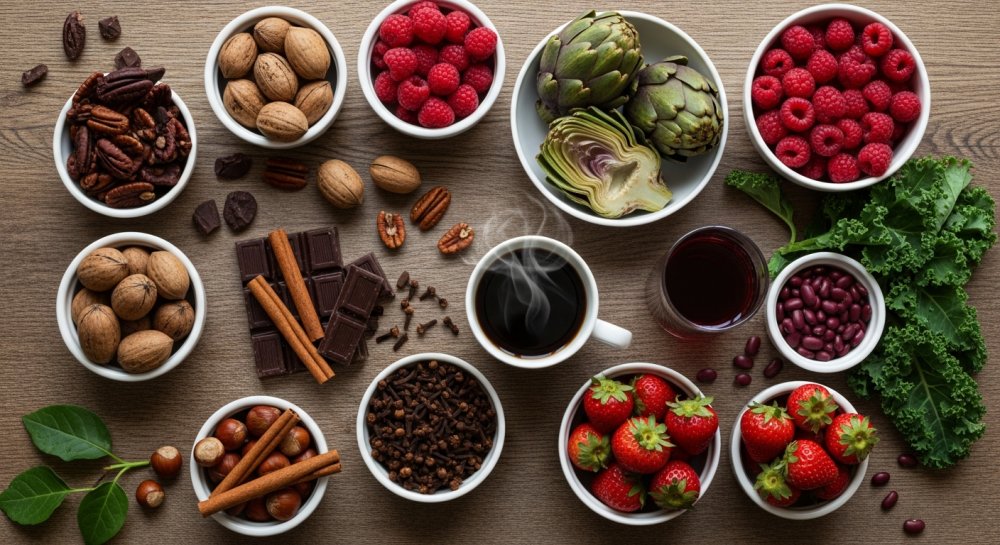
Among the standout performers are pecans, which contain more antioxidants per serving than blueberries and provide heart-healthy fats as an added bonus. Dark chocolate—particularly varieties with 70% cocoa or higher—ranks remarkably high in flavonoids, a specific type of antioxidant linked to cardiovascular health.
Spices represent another antioxidant treasure trove often overlooked in dietary discussions. Cloves, cinnamon, and oregano all score exceptionally high on antioxidant capacity scales. Just a half-teaspoon of ground cloves provides more antioxidants than a half-cup of blueberries, making spices an efficient way to boost intake without adding calories.
Artichokes, both globe and Jerusalem varieties, rank among the highest antioxidant vegetables available. One medium artichoke delivers substantial amounts of these protective compounds along with fiber and essential minerals. Similarly, red cabbage and kale provide robust antioxidant profiles while supporting digestive health.
Coffee drinkers will be pleased to learn their daily ritual contributes significantly to antioxidant intake. For many Americans, coffee represents the single largest source of antioxidants in their diet—not because coffee is exceptionally high compared to other foods, but because consumption levels are so consistent.
“We encourage people to think beyond individual superfoods and focus on dietary patterns,” notes Dr. James Robertson, a nutrition researcher. “The synergistic effects of eating diverse antioxidant sources likely provide benefits we’re only beginning to understand.”
Beans and legumes also deserve recognition in the antioxidant conversation. Red beans, black beans, and pinto beans all contain impressive levels of these protective compounds while delivering protein and fiber. They’re also budget-friendly options for families looking to eat healthier without straining grocery budgets.
Raspberries, strawberries, and blackberries offer alternatives to blueberries with comparable or superior antioxidant content. Each berry variety provides a unique blend of phytonutrients, supporting the principle that variety enhances nutritional benefits.
Nuts beyond pecans also contribute significantly. Walnuts, hazelnuts, and almonds all provide antioxidants along with omega-3 fatty acids and protein, making them ideal snack choices for adults managing weight and cardiovascular health.
The practical application of this research is straightforward: incorporate color and variety into daily eating. Purple grapes, red wine (in moderation), green tea, and even purple potatoes all contribute to a robust antioxidant intake.
Tomatoes, particularly when cooked, release lycopene—a powerful antioxidant that becomes more bioavailable through heating. This makes tomato sauce, paste, and soup excellent choices for those seeking convenient ways to boost their antioxidant consumption.
Sweet potatoes, with their vibrant orange flesh, provide beta-carotene and other antioxidants while serving as a nutritious alternative to regular potatoes. Their natural sweetness and versatility make them appealing across different meal occasions.
For those who enjoy a glass of red wine with dinner, the resveratrol and other polyphenols present offer antioxidant benefits. Health experts emphasize moderation—typically one glass for women and up to two for men daily—to balance benefits with alcohol-related risks.
Green tea has earned its reputation as a health beverage through high concentrations of catechins, antioxidants specifically studied for their potential protective effects against cellular damage. Both hot and iced varieties retain these beneficial compounds.
The takeaway for health-conscious consumers is clear: antioxidant-rich eating doesn’t require exotic ingredients or expensive supplements. Many everyday foods provide these protective compounds in abundance. By choosing a variety of colorful fruits, vegetables, nuts, spices, and even enjoying moderate amounts of coffee and dark chocolate, adults can support their long-term health through delicious, accessible food choices.
As nutrition science continues to evolve, one principle remains constant: whole foods, eaten in variety, provide the foundation for healthy aging. Rather than chasing the latest superfood trend, focusing on consistent, diverse intake of antioxidant-rich options offers the most sustainable path to wellness.
