Nutrition
Late Night Cravings That Quietly Steal Your Sleep

Health Points
- Certain evening foods can disrupt the body’s natural wind-down process
- Timing and portion size matter more than most people realize
- Small swaps in your nighttime routine often bring the biggest rest improvements
Most adults have felt the frustration of lying in bed while their mind refuses to settle. What many overlook is how the last meal or snack of the day can keep the body on high alert long after the lights go out.
Heavy or spicy dishes eaten close to bedtime force the digestive system to work overtime. This internal activity raises core temperature and signals the brain that it is still daytime.
Foods high in refined sugar create a quick energy spike followed by a sharp drop that the body interprets as a need to stay alert. The resulting restlessness can last well into the early morning hours.
“I tell patients to finish their last substantial meal at least three hours before lying down,” explains family physician Dr. Laura Simmons. “That simple window often solves sleep issues they have battled for years.”
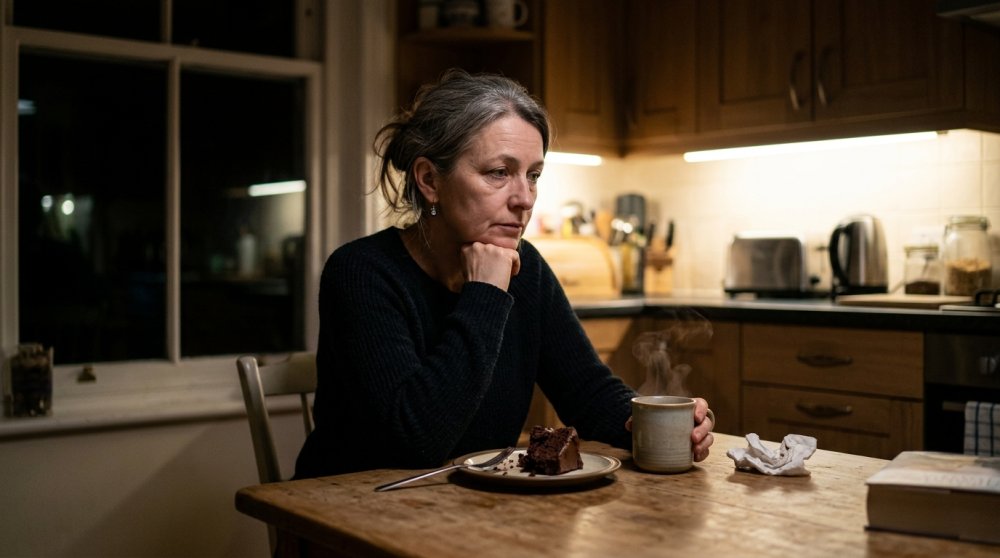
Caffeine is an obvious culprit, yet many forget that chocolate, certain teas, and even decaf coffee still contain small amounts. A single piece of dark chocolate after dinner can linger in the system for up to six hours.
“People assume one small treat won’t matter, but sensitivity varies widely,” notes registered dietitian Michael Torres. “For some adults, even modest amounts delay the natural drop in cortisol that prepares the body for sleep.”
Alcohol presents a different challenge. While a glass of wine may bring initial drowsiness, it fragments deeper sleep stages and increases nighttime awakenings. The effect becomes more pronounced after age forty as metabolism slows.
Replacing late snacks with a short walk, a warm shower, or a few minutes of reading gives the body clearer signals that the day is ending. Over time these habits strengthen the connection between evening routines and quality rest.
