Nutrition
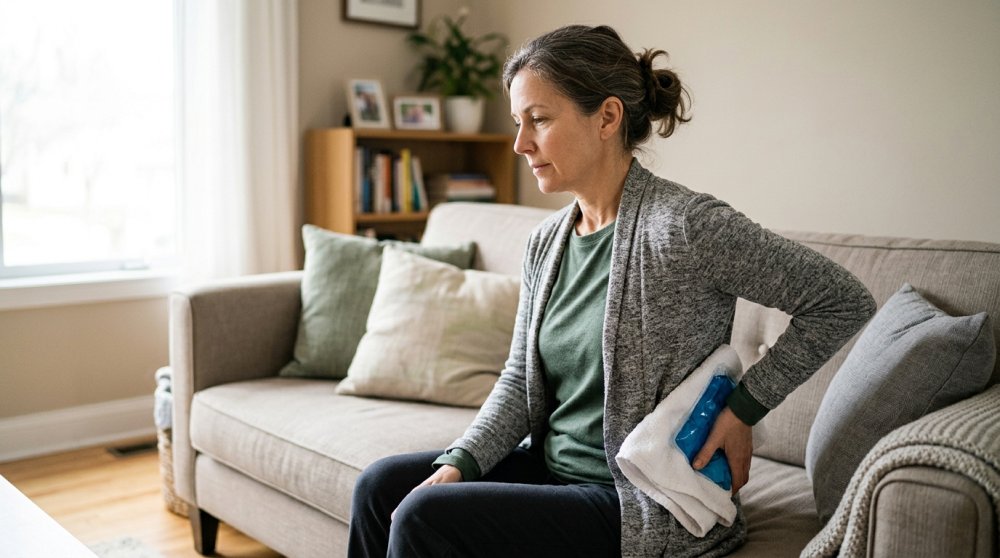
Ice or Heat for Back Pain: Which Approach Brings Faster Relief

Health Points
- Applying cold therapy first can reduce swelling and numb sharp pain.
- Switching to gentle heat after 48 hours often eases muscle tension and improves flexibility.
- Combining both methods at the right times tends to speed recovery and restore daily comfort.
Millions of adults search for simple ways to ease back discomfort without medication. A common question arises: should they reach for an ice pack or a heating pad first?
Orthopedic specialists emphasize starting with cold therapy. Applying an ice pack wrapped in a thin cloth for ten to fifteen minutes helps constrict blood vessels and limit inflammation. This step also dulls nerve signals, offering quick relief when discomfort feels sharp or acute.
“The first forty-eight hours are critical for controlling swelling,” notes physical therapist Dr. Elena Morales. “Cold therapy during this window gives tissues a chance to calm down before any stretching or movement begins.”
Once the initial swelling subsides, many people find that switching to warmth provides greater comfort. A heating pad set on low, a warm shower, or a microwavable compress can relax tight muscles and encourage blood flow. This gentle circulation supports nutrient delivery and helps restore range of motion.
“Patients often report that heat loosens the stiffness that lingers after the acute phase,” says Dr. Morales. “It feels especially soothing before light activity or physical therapy exercises.”
Timing remains key. Using heat too early may increase swelling, while prolonged icing past the first couple of days can slow the healing process. Experts recommend alternating between the two once the sharp pain has eased, listening to how the back responds after each session.
Simple home routines such as gentle walking, posture awareness, and staying hydrated further support recovery. When discomfort lasts longer than two weeks or radiates into the legs, consulting a physician ensures no underlying issues are overlooked.
