Health
The Silent Signal Your Gallbladder May Be Sending You

Health Points
- Gallbladder pain typically manifests as sudden, sharp discomfort in the upper right abdomen, often after eating fatty meals
- Gallstones affect approximately 25 million Americans, with women and adults over 40 at higher risk
- Treatment options range from dietary modifications to surgical removal, depending on severity and frequency of symptoms
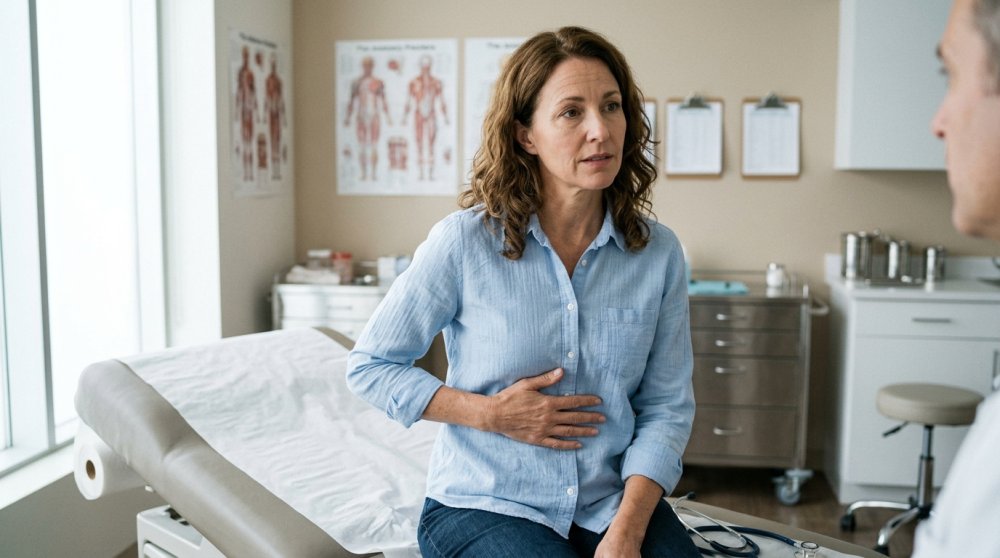
For many Americans over 40, that unexpected pain in the upper right side of the abdomen can be more than just indigestion. It might be your gallbladder trying to get your attention—and understanding what it’s telling you could make all the difference in your health.
The gallbladder, a small pear-shaped organ tucked beneath your liver, plays a crucial role in digestion by storing bile. When something goes wrong with this organ, the pain can be unmistakable. Most people describe it as a sudden, sharp sensation that radiates from the upper right abdomen to the shoulder blade or back, often striking after a particularly rich or fatty meal.
Dr. Sarah Mitchell, a gastroenterologist with over 15 years of experience, explains the most common trigger.
“Gallstones are by far the leading cause of gallbladder pain, affecting roughly one in ten Americans at some point in their lives.”
These hardened deposits form when bile contains too much cholesterol, bilirubin, or insufficient bile salts. They can range in size from a grain of sand to a golf ball. When a stone blocks the duct leading from the gallbladder, intense pain follows—a condition known as biliary colic.
Women, individuals over 40, those with obesity, and people with rapid weight loss are at increased risk. Pregnancy and certain medications, including hormone therapy, can also elevate gallstone formation. Native American and Hispanic populations face particularly high susceptibility due to genetic factors.
Beyond gallstones, other conditions can trigger gallbladder discomfort. Cholecystitis, or inflammation of the gallbladder, occurs when a gallstone becomes lodged, causing the organ to swell and potentially become infected. This requires immediate medical attention as it can lead to serious complications.
Biliary dyskinesia presents another possibility—a condition where the gallbladder doesn’t empty properly despite no visible stones. Patients experience similar pain patterns, but imaging tests come back clear, making diagnosis more challenging.
Dr. James Richardson, a general surgeon specializing in gallbladder procedures, emphasizes the importance of recognizing warning signs.
“If you experience severe pain lasting more than five hours, fever, yellowing of the skin or eyes, or persistent nausea and vomiting, seek emergency care immediately. These symptoms could indicate a serious complication.”
For mild, occasional gallbladder pain, dietary adjustments often provide relief. Reducing fat intake, particularly saturated and trans fats, decreases the demand on your gallbladder. Eating smaller, more frequent meals rather than three large ones helps maintain steady bile flow without overwhelming the organ.
Incorporating fiber-rich foods like vegetables, fruits, and whole grains supports healthy digestion. Staying well-hydrated and maintaining a healthy weight through gradual, sustainable methods rather than crash diets also protects gallbladder function.
When conservative measures fail to control symptoms, medical intervention becomes necessary. Doctors may prescribe medications to dissolve small cholesterol gallstones, though this process takes months and stones frequently recur. Pain management and anti-inflammatory drugs can provide temporary relief during acute episodes.
For persistent or severe cases, cholecystectomy—surgical removal of the gallbladder—remains the gold standard treatment. This procedure, typically performed laparoscopically through small incisions, allows most patients to return home the same day or after one overnight stay. Recovery usually takes one to two weeks.
Dr. Emily Chen, a nutrition specialist, offers reassurance about life after gallbladder removal.
“Most people adapt very well without a gallbladder. Bile flows directly from the liver to the small intestine instead, and while some patients need to make minor dietary adjustments, they go on to live completely normal, healthy lives.”
Prevention remains the best medicine. Maintaining a healthy weight, exercising regularly, and following a balanced diet rich in fruits, vegetables, and whole grains while limiting processed foods and unhealthy fats significantly reduces gallstone risk. For those with family history or other risk factors, regular check-ups allow doctors to monitor gallbladder health and intervene early if problems develop.
Understanding your body’s signals matters at every age, but especially as we grow older. That uncomfortable pain after a hearty meal might seem minor, but paying attention to patterns and seeking medical evaluation when something feels off demonstrates wisdom and self-care.
The gallbladder may be small, but its impact on your quality of life is significant. Whether you’re dealing with occasional discomfort or more persistent symptoms, today’s medical options offer effective solutions. The key is recognizing when your body is asking for help—and responding with the care and attention you deserve.
