Health
When Internal Bleeding Becomes a Medical Emergency

Health Points
- Hemorrhages range from minor skin bruising to life-threatening internal bleeding requiring immediate medical attention
- Warning signs include sudden severe pain, dizziness, weakness, and visible blood loss from the body
- Quick recognition and treatment of severe bleeding can prevent shock, organ damage, and save lives
Internal bleeding happens more often than most people realize, and knowing the warning signs could save your life or the life of someone you love. While minor hemorrhages like bruises resolve on their own, severe bleeding episodes demand immediate medical intervention.
A hemorrhage occurs when blood escapes from blood vessels, either externally through the skin or internally within the body. The severity depends on the location, rate of blood loss, and underlying cause. Understanding these factors helps families respond appropriately when bleeding emergencies arise.
Understanding Different Types of Hemorrhages
Medical professionals classify hemorrhages based on where bleeding occurs in the body. External hemorrhages are visible and include cuts, scrapes, and wounds that breach the skin’s surface. Internal hemorrhages occur inside the body and often go undetected until symptoms become severe.
Blood vessel size determines bleeding severity. Capillary bleeding from tiny vessels appears as oozing and typically stops on its own. Venous bleeding from veins flows steadily and appears dark red. Arterial bleeding from arteries spurts bright red blood in rhythm with the heartbeat and poses the greatest immediate danger.
Location matters significantly for internal bleeding. Brain hemorrhages can cause stroke symptoms and permanent neurological damage. Gastrointestinal bleeding may signal ulcers or other digestive tract problems. Bleeding into joints commonly affects people with bleeding disorders like hemophilia.
Common Causes Behind Bleeding Episodes
Trauma ranks as the leading cause of hemorrhages, from minor injuries to major accidents. Falls, vehicle collisions, and workplace accidents can damage blood vessels throughout the body. Even seemingly minor head injuries can trigger dangerous brain bleeds, especially in older adults taking blood-thinning medications.
Medical conditions frequently contribute to bleeding problems. High blood pressure weakens blood vessel walls over time, increasing rupture risk. Liver disease impairs the body’s ability to produce clotting factors. Bleeding disorders like hemophilia and von Willebrand disease prevent normal blood clotting.
Medications play a significant role in hemorrhage risk. Blood thinners like warfarin and newer anticoagulants prevent dangerous clots but increase bleeding complications. Aspirin and anti-inflammatory drugs can trigger stomach bleeding. Even some herbal supplements affect clotting ability.
Recognizing Warning Signs
External bleeding presents obvious visual cues, but internal hemorrhages require awareness of subtle symptoms. Sudden severe headache with confusion or loss of consciousness suggests possible brain bleeding. Abdominal pain with swelling and rigidity may indicate internal organ damage.
Blood appearing where it shouldn’t raises immediate concern. Vomiting blood or material resembling coffee grounds signals upper digestive tract bleeding. Black, tarry stools indicate bleeding in the stomach or small intestine. Blood in urine suggests kidney or bladder problems.
Shock symptoms develop when blood loss becomes severe. Rapid, weak pulse accompanies dropping blood pressure. Skin turns pale, cold, and clammy. Mental confusion and extreme thirst develop as the body struggles to maintain vital functions. These signs demand immediate emergency care.
When Minutes Matter
Certain bleeding situations require calling 911 without delay. Uncontrolled external bleeding that doesn’t stop with direct pressure needs emergency intervention. Signs of internal bleeding combined with trauma history warrant immediate evaluation. Any hemorrhage in someone taking blood thinners requires urgent medical assessment.
Brain hemorrhage symptoms constitute true emergencies. Sudden severe headache described as “the worst headache of my life” may signal a ruptured aneurysm. Weakness or numbness on one side of the body, vision changes, or difficulty speaking indicate possible stroke. Time lost equals brain tissue lost in these situations.
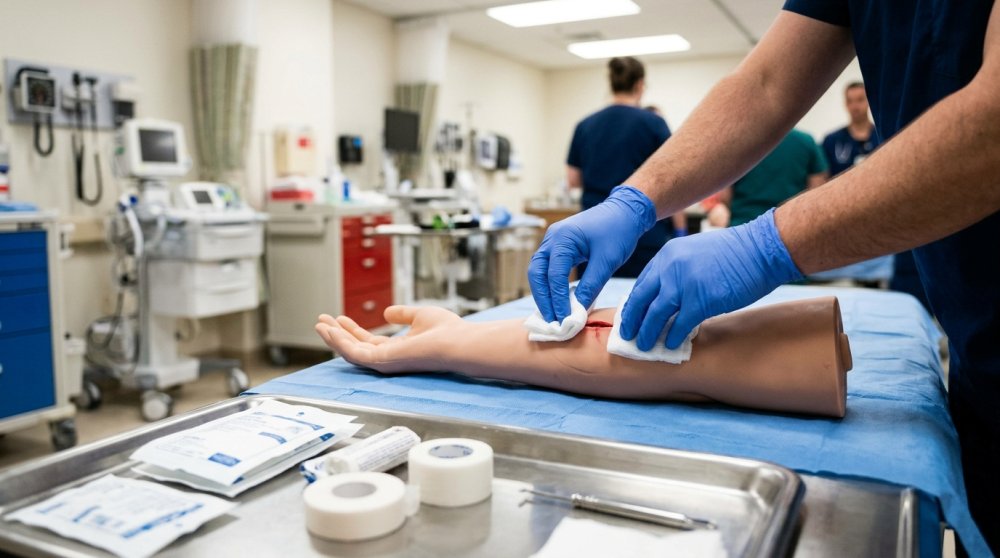
First responders recommend direct pressure for external bleeding while awaiting help. Apply clean cloth or gauze directly to the wound and maintain firm, steady pressure. Elevate the injured area above heart level when possible. Never remove blood-soaked bandages—add more layers on top while continuing pressure.
Medical Evaluation and Treatment
Healthcare providers use multiple tools to diagnose hemorrhages. Physical examination identifies external bleeding sources and checks for signs of internal blood loss. Blood tests measure hemoglobin levels and clotting function. Imaging studies including CT scans and ultrasounds locate internal bleeding sites.
Treatment approaches vary based on bleeding severity and location. Minor hemorrhages often need only observation and supportive care. Moderate bleeding may require blood transfusions to replace lost volume. Severe cases demand surgical intervention to repair damaged vessels or remove accumulated blood.
New medical advances improve outcomes for bleeding emergencies. Minimally invasive procedures allow doctors to seal bleeding vessels without major surgery. Specialized medications can temporarily reverse blood thinner effects. Trauma centers now use massive transfusion protocols that dramatically improve survival rates.
Prevention Strategies
Taking proactive steps reduces hemorrhage risk for individuals and families. Fall prevention becomes especially important for older adults on blood thinners—remove tripping hazards, improve lighting, and install grab bars in bathrooms. Wear appropriate protective equipment during sports and high-risk activities.
Medication management requires careful attention. Patients on blood thinners should attend all monitoring appointments and report any unusual bleeding immediately. Avoid combining multiple medications that affect clotting without physician approval. Carry medical identification listing blood thinner use in case of emergency.
Lifestyle choices support healthy blood vessels. Controlling blood pressure through diet, exercise, and medication protects vessel walls from damage. Limiting alcohol consumption reduces liver disease risk. Avoiding tobacco prevents vessel damage that contributes to bleeding complications.
Long-Term Outlook
Recovery from hemorrhage depends on multiple factors including bleeding severity, treatment timing, and overall health status. Minor bleeding episodes typically resolve completely with minimal lasting effects. Moderate hemorrhages may require weeks to months for full recovery as the body rebuilds blood volume and repairs damaged tissues.
Severe bleeding complications can produce lasting consequences. Brain hemorrhages may leave permanent neurological deficits requiring rehabilitation therapy. Massive blood loss occasionally damages organs due to oxygen deprivation. Some individuals develop post-traumatic stress following life-threatening bleeding episodes.
Understanding hemorrhages empowers people to recognize dangerous situations and respond effectively. While most bleeding stops on its own or responds to basic first aid, knowing when to seek emergency care makes the critical difference. Quick action, combined with modern medical capabilities, saves lives every day when bleeding strikes unexpectedly.
