Health
Understanding Hearing Loss Across the Lifespan

Health Points
- Deafness encompasses a spectrum from mild hearing loss to complete inability to hear, affecting communication, social interaction, and daily activities
- Age-related hearing loss is the most common cause in adults, while congenital conditions and chronic ear infections are primary factors in children
- Modern assistive technologies including hearing aids, cochlear implants, and visual alert systems significantly improve quality of life for those with hearing impairment
Hearing loss affects millions of Americans across all age groups, making it one of the most common health conditions in the United States. Understanding the causes, types, and available support can help individuals and families navigate this often-challenging condition.
Deafness refers to varying degrees of hearing impairment, ranging from mild difficulty understanding conversations in noisy environments to profound hearing loss requiring alternative communication methods. The condition can develop at birth, emerge during childhood, or gradually appear later in life.
For those over 40, age-related hearing loss—known medically as presbycusis—becomes increasingly prevalent. This gradual decline typically begins with difficulty hearing high-pitched sounds and can progress over years.
The inner ear contains thousands of tiny hair cells that translate sound vibrations into electrical signals for the brain. When these delicate structures become damaged through aging, excessive noise exposure, or certain medications, hearing diminishes.
Chronic exposure to loud noises represents another significant risk factor, particularly for individuals who worked in manufacturing, construction, or military environments before modern hearing protection standards. Recreational activities like hunting, motorcycling, and attending concerts without ear protection also contribute to cumulative hearing damage.
Medical conditions including diabetes, cardiovascular disease, and hypertension can compromise blood flow to the inner ear, accelerating hearing loss. Certain antibiotics and chemotherapy drugs may also damage hearing structures as an unfortunate side effect of necessary treatment.
Family history plays an important role, as genetic factors influence both congenital deafness and susceptibility to age-related hearing decline. Parents with hearing loss should discuss screening options with their children’s pediatricians.
Early identification proves crucial, especially in children. Newborn hearing screenings catch many cases before language development begins, allowing for early intervention that supports normal speech and cognitive development.
For adults noticing changes in hearing ability, several warning signs warrant medical evaluation. These include frequently asking others to repeat themselves, difficulty following conversations with multiple speakers, turning up television or radio volume beyond comfortable levels for others, and experiencing ringing or buzzing in the ears.
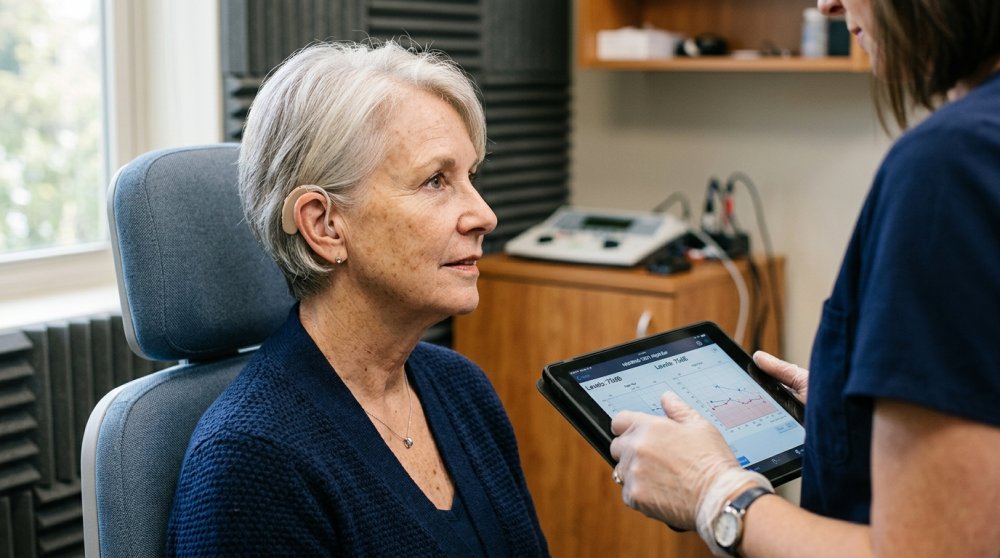
Audiologists conduct comprehensive hearing tests that measure the softest sounds a person can detect across different frequencies. These evaluations determine the type and severity of hearing loss, guiding appropriate treatment recommendations.
Conductive hearing loss occurs when sound waves cannot efficiently reach the inner ear, often due to earwax buildup, fluid in the middle ear, or structural abnormalities. This type frequently responds well to medical or surgical intervention.
Sensorineural hearing loss involves damage to the inner ear or auditory nerve pathways to the brain. While typically permanent, various technologies can significantly improve hearing function and quality of life.
Modern hearing aids have advanced considerably beyond the bulky, whistling devices many remember. Today’s digital models automatically adjust to different listening environments, reduce background noise, and connect wirelessly to smartphones and televisions.
Cochlear implants offer another option for individuals with severe to profound hearing loss who receive limited benefit from hearing aids. These surgically placed devices bypass damaged hair cells and directly stimulate the auditory nerve.
Assistive listening devices complement hearing aids by amplifying specific sounds. Personal amplifiers help during one-on-one conversations, while loop systems in theaters and churches transmit sound directly to compatible hearing aids.
Visual alert systems flash lights when doorbells ring, phones call, or smoke alarms sound. Vibrating alarm clocks ensure individuals wake on time without relying on auditory cues.
Communication strategies also make significant differences. Speaking clearly while facing the person, reducing background noise, and using visual cues all facilitate better understanding.
American Sign Language provides a complete linguistic system for many in the deaf community. Learning basic signs strengthens connections with deaf family members and demonstrates respect for deaf culture.
The deaf community has developed rich cultural traditions and perspectives that view deafness not as a disability requiring fixing, but as a difference to be respected. Many culturally deaf individuals prefer sign language and resist pressure toward oral communication or implants.
For those experiencing hearing loss later in life, adjustment involves both practical accommodations and emotional processing. Feelings of isolation, frustration, and embarrassment commonly arise as social situations become more challenging.
Support groups connect individuals facing similar experiences, offering practical advice and emotional encouragement. Many hospitals and audiology practices facilitate these gatherings.
Family members play essential roles in supporting loved ones with hearing loss. Patience, willingness to repeat information, and advocating for appropriate accommodations strengthen relationships during adjustment periods.
Workplace accommodations under the Americans with Disabilities Act may include assistive technology, preferential seating in meetings, and written communication supplements. Employers must provide reasonable accommodations enabling employees to perform essential job functions.
Prevention strategies protect remaining hearing and reduce risk for those without impairment. Wearing properly fitted hearing protection during loud activities, limiting headphone volume to 60 percent maximum, and taking listening breaks all preserve hearing health.
Regular hearing evaluations starting at age 50 catch changes early when intervention proves most effective. Adults with risk factors including noise exposure history, diabetes, or family history should begin screening earlier.
Untreated hearing loss connects to broader health concerns including increased fall risk, social isolation, depression, and accelerated cognitive decline. Research suggests maintaining hearing function may help preserve brain health during aging.
Medicare coverage for hearing aids remains limited, though some Medicare Advantage plans include benefits. Veterans may qualify for hearing aids and related services through the Department of Veterans Affairs.
Cost concerns prevent many from seeking hearing help, but options exist at various price points. Some states offer assistance programs, while online retailers provide lower-cost alternatives to traditional audiology practices.
Emerging research explores regenerative therapies that might one day restore damaged hair cells. While not yet available for human use, these approaches offer hope for future treatments beyond current management strategies.
Living successfully with hearing loss requires adaptability, appropriate technology, supportive relationships, and self-advocacy. Whether facing personal hearing changes or supporting loved ones, understanding available resources empowers better outcomes and maintained quality of life.
