Nutrition
The Unexpected Truth About Your Favorite Asian Condiment

Health Points
- Coconut aminos contain 73% less sodium than traditional soy sauce, making them a heart-healthy alternative for those watching salt intake
- Both condiments offer similar umami flavor profiles, but coconut aminos provide a naturally sweeter taste without added sugars
- While soy sauce contains more protein and beneficial compounds, coconut aminos are gluten-free and suitable for those with soy allergies
For decades, soy sauce has been the go-to condiment for Asian-inspired dishes in American kitchens. But a newcomer has been quietly gaining ground on grocery store shelves, promising similar flavor with potentially better health benefits.
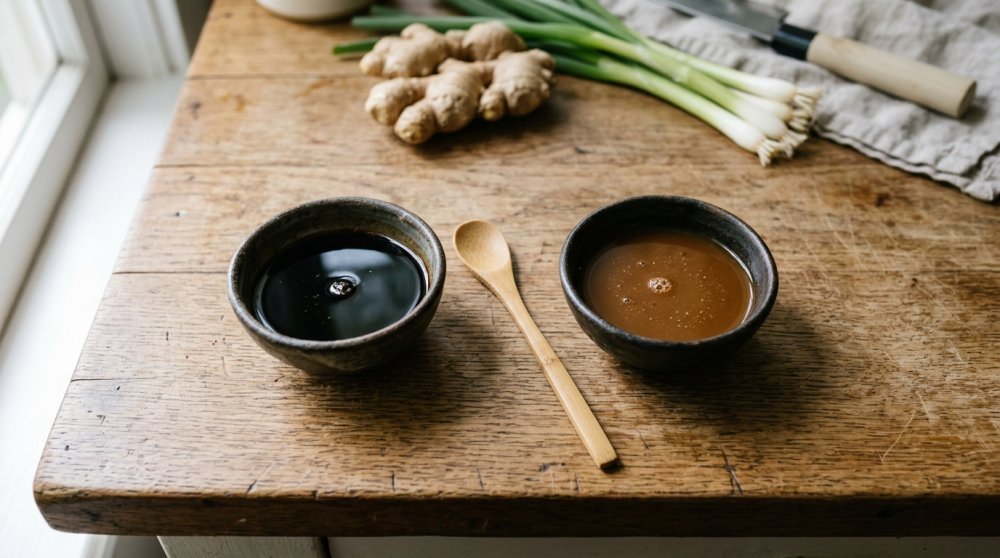
Coconut aminos, derived from the sap of coconut trees, has emerged as a popular alternative to traditional soy sauce. The dark, savory liquid offers that sought-after umami taste without some of the concerns associated with conventional soy-based products.
The most striking difference between these two condiments comes down to sodium content. A single tablespoon of regular soy sauce contains approximately 900 to 1,000 milligrams of sodium—nearly half the recommended daily limit for adults over 40. Coconut aminos, by contrast, contains just 270 milligrams per tablespoon.
For individuals managing blood pressure or heart health, that sodium difference is significant,
explains registered dietitian Sarah Mitchell, who specializes in age-related nutrition. Many of my clients over 50 are surprised to learn how much sodium they’re getting from condiments alone.
The production process also differs considerably. Traditional soy sauce is made through fermentation of soybeans and wheat, a process that can take months. Coconut aminos skips fermentation entirely, made simply by blending coconut sap with sea salt.
This simpler process makes coconut aminos naturally gluten-free and soy-free, addressing two common dietary restrictions. For the estimated 20 million Americans with gluten sensitivity and those with soy allergies, coconut aminos offers a safe alternative that doesn’t sacrifice flavor.
However, soy sauce isn’t without its own nutritional advantages. The fermentation process creates beneficial compounds including antioxidants and small amounts of B vitamins. Soy sauce also contains more protein—about 2 grams per tablespoon compared to coconut aminos’ 1 gram.
Both condiments can absolutely have a place in a healthy diet,
Mitchell notes. The choice often comes down to individual health needs and taste preferences.
Taste-wise, the two condiments share that essential umami quality that makes them so versatile. But coconut aminos tends toward a slightly sweeter, less sharp flavor profile. Some home cooks appreciate this gentler taste, while traditionalists prefer soy sauce’s more pronounced saltiness.
The calorie content remains similar between the two options—about 10 to 15 calories per tablespoon. Neither significantly impacts daily caloric intake when used in typical serving sizes.
Cost represents another consideration for budget-conscious shoppers. Coconut aminos typically runs two to three times more expensive than conventional soy sauce. A standard bottle might cost $8 to $12 compared to $3 to $5 for comparable soy sauce.
For those concerned about genetically modified organisms, conventional soy sauce presents potential issues. Most soybeans grown in the United States are genetically modified. Coconut aminos naturally sidesteps this concern, though organic soy sauce offers a non-GMO alternative.
Environmental considerations factor into the equation as well. Coconut production generally requires less water and fewer agricultural inputs than soybean farming. However, the growing demand for coconut products has raised sustainability questions about farming practices in tropical regions.
Nutrition experts emphasize that for most adults over 40, the sodium content should be the primary deciding factor. High sodium intake contributes to elevated blood pressure, a concern that becomes more pressing with age. The American Heart Association recommends no more than 2,300 milligrams of sodium daily, with an ideal limit of 1,500 milligrams for those with hypertension.
If you’re using these condiments regularly, those sodium numbers add up quickly,
Mitchell warns. Switching to coconut aminos or reduced-sodium soy sauce can make a measurable difference in your daily intake.
Reduced-sodium soy sauce offers a middle ground, containing about 25% less sodium than regular versions. This option preserves the traditional fermented flavor while addressing health concerns to some degree.
For individuals without specific dietary restrictions or sodium concerns, both options can coexist in the kitchen. Many home cooks keep both on hand, using them for different purposes based on the dish being prepared.
The bottom line for health-conscious consumers over 40: coconut aminos edges ahead primarily due to its significantly lower sodium content. For those managing blood pressure, dealing with gluten sensitivity, or avoiding soy, it represents a smart swap. However, soy sauce remains a perfectly acceptable choice when used in moderation, particularly the reduced-sodium varieties.
As with most nutrition decisions, the best choice depends on individual health goals, dietary needs, and personal taste preferences. Either option can fit into a balanced, health-conscious eating plan when used thoughtfully.
