Health
The Mpox Symptoms Doctors Say You Should Never Ignore

Health Points
- Mpox causes distinctive skin lesions that progress through multiple stages, often accompanied by flu-like symptoms
- The virus spreads through close physical contact and can take up to three weeks to show symptoms after exposure
- Early recognition and isolation are critical for preventing transmission and ensuring proper medical care
When a mysterious rash appears on your skin, knowing what you’re dealing with can make all the difference. Mpox, previously known as monkeypox, has become an increasingly important health concern for Americans to understand—especially as cases continue to emerge across the country.
The disease presents with telltale signs that set it apart from other viral infections. Understanding these symptoms empowers individuals to seek timely medical attention and protect their communities.
Recognizing the Warning Signs
Mpox doesn’t arrive quietly. The infection typically announces itself with a cluster of flu-like symptoms that feel similar to many common illnesses—fever, headache, muscle aches, and profound exhaustion. What distinguishes mpox is what comes next: a distinctive rash that can appear anywhere on the body.
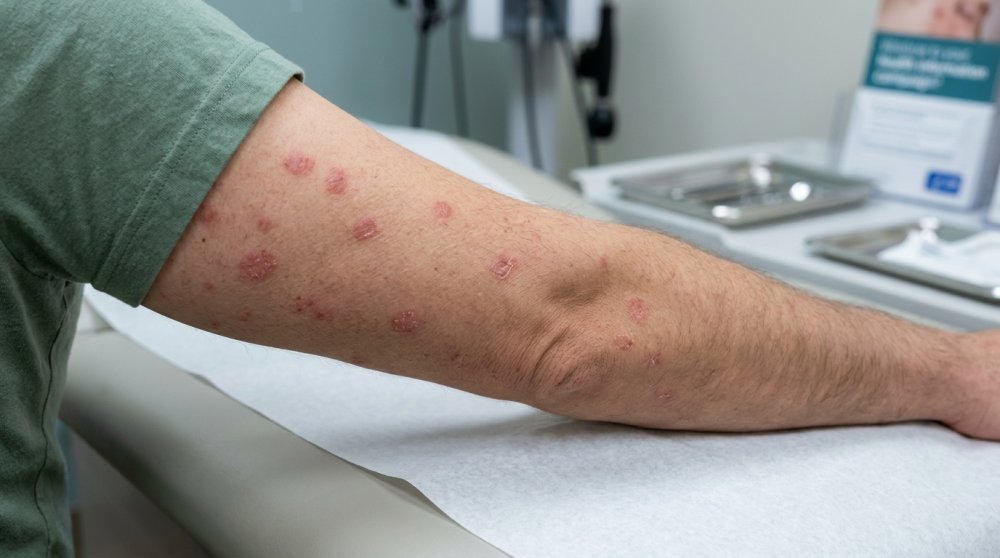
The rash follows a predictable pattern that medical professionals have learned to recognize. It begins as flat, discolored spots that evolve into raised bumps, then progress to fluid-filled blisters before finally crusting over and healing.
These lesions can develop on the face, hands, feet, mouth, or genital areas. In some cases, the rash appears before any other symptoms manifest. The number of lesions varies dramatically—some individuals develop just a few spots, while others experience hundreds.
Swollen lymph nodes represent another hallmark feature that helps distinguish mpox from its viral cousin, smallpox. This swelling often occurs in the neck, armpits, or groin before the rash emerges.
How the Virus Spreads
Transmission occurs primarily through close, sustained physical contact with an infected person. This includes intimate contact, but also extends to touching contaminated materials like bedding, towels, or clothing used by someone with mpox.
Respiratory droplets can transmit the virus during prolonged face-to-face contact, though this requires extended exposure rather than casual interaction. The virus can also spread from infected animals to humans, though this pathway is less common in the United States.
The incubation period—the time between exposure and symptom onset—ranges from three to seventeen days, with an average of seven to fourteen days. During this window, infected individuals may not realize they’re carrying the virus.
What to Do If You Suspect Infection
Anyone who develops an unexplained rash alongside fever or swollen lymph nodes should contact their healthcare provider immediately. Prompt medical evaluation allows for accurate diagnosis and appropriate isolation measures to prevent further spread.
Healthcare providers can confirm mpox through laboratory testing of lesion samples. This testing provides definitive answers and helps public health officials track outbreak patterns.
Isolation remains the cornerstone of preventing transmission. Individuals diagnosed with mpox should avoid close contact with others until all lesions have crusted over, the scabs have fallen off, and new skin has formed underneath—a process that typically takes two to four weeks.
Treatment and Prevention
Most mpox cases resolve on their own without specific medical treatment. Supportive care focuses on managing symptoms, preventing secondary bacterial infections of the skin lesions, and maintaining proper hydration and nutrition during recovery.
For individuals at high risk of severe disease—including those with weakened immune systems, pregnant women, and young children—antiviral medications developed for smallpox may be recommended. These treatments show promise in reducing symptom severity and shortening illness duration.
Vaccination offers protection for those at elevated risk of exposure. The JYNNEOS vaccine, originally developed for smallpox, provides effective protection against mpox. Public health authorities recommend vaccination for individuals with known exposure to mpox or those at occupational risk.
Prevention strategies mirror those for many infectious diseases: avoiding contact with infected individuals, not sharing personal items like bedding or towels, and maintaining good hand hygiene. These simple measures significantly reduce transmission risk.
Understanding the Broader Context
While mpox gained international attention during recent outbreaks, the virus itself isn’t new. It was first identified in laboratory monkeys in 1958, though rodents serve as the primary natural reservoir. The first human case was recorded in 1970 in the Democratic Republic of Congo.
The recent global spread represents an unusual pattern for a virus that had previously been limited primarily to Central and West African countries. This shift has prompted increased surveillance and public health response efforts worldwide.
Understanding mpox helps communities respond effectively when cases occur. Knowledge replaces fear, and informed citizens can make decisions that protect themselves and their neighbors. Recognition of symptoms, understanding transmission pathways, and knowing when to seek medical care create a framework for managing this public health challenge.
The American healthcare system has demonstrated its capacity to respond to emerging infectious diseases. With proper awareness and adherence to public health guidance, individuals can navigate mpox concerns while maintaining their daily lives and responsibilities. This balanced approach—neither dismissive nor alarmist—reflects the values of personal responsibility and community care that strengthen our nation’s resilience.
