Health
The Heart Test Your Doctor Might Not Be Ordering

Health Points
- Annual EKG screenings are not recommended for healthy adults without heart disease symptoms or risk factors
- Medical experts warn routine EKGs can lead to false positives and unnecessary anxiety or invasive follow-up procedures
- Heart disease screening should focus on blood pressure, cholesterol, and lifestyle assessments rather than routine electrical heart monitoring
Many adults over 40 wonder if they should request an electrocardiogram as part of their annual physical. The short answer from medical experts is no — unless you have specific symptoms or risk factors.
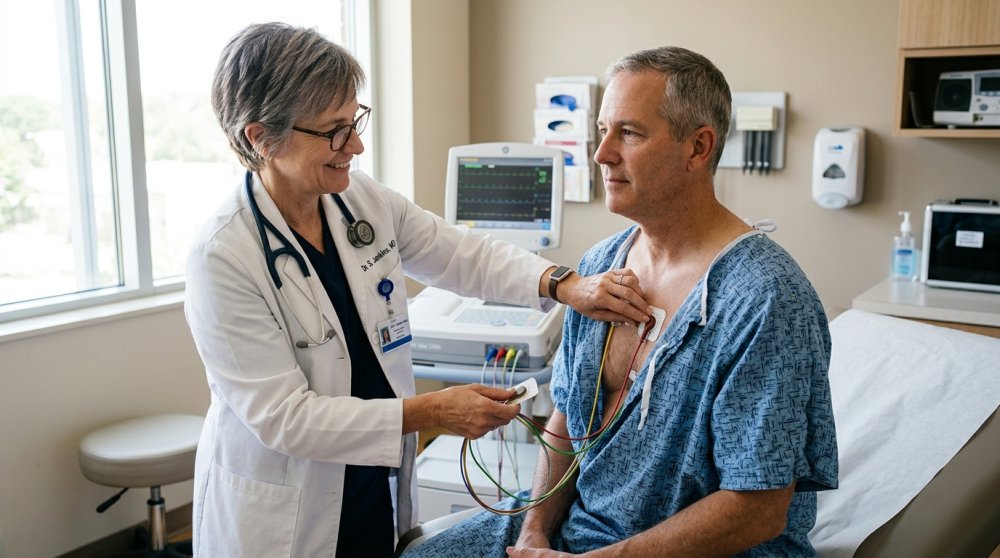
An EKG measures the electrical activity of your heart and can detect abnormal rhythms, previous heart attacks, or structural problems. While it sounds like a simple, non-invasive way to catch heart disease early, routine screening in healthy people rarely provides actionable information.
“For people without symptoms, an EKG doesn’t change management or improve outcomes,” says Dr. Martha Gulati, director of preventive cardiology at Cedars-Sinai Medical Center. “What it can do is create unnecessary worry and lead to a cascade of additional testing.”
The American Heart Association and the American College of Cardiology do not recommend routine EKGs for asymptomatic adults. Studies show that in people without heart disease symptoms, EKG abnormalities are common but usually don’t indicate a problem requiring treatment.
False positives occur frequently, especially in women and younger adults. An EKG might show a minor irregularity that prompts additional testing — stress tests, echocardiograms, or even cardiac catheterization — that carries its own risks and costs.
“We want to be smart about screening,” Dr. Gulati adds. “The goal is to identify people who will benefit from intervention, not to generate anxiety about findings that won’t affect their care.”
There are important exceptions to this guidance. Adults with symptoms like chest pain, shortness of breath, palpitations, or fainting should absolutely have an EKG.
People with risk factors including high blood pressure, diabetes, high cholesterol, family history of early heart disease, or those who smoke should discuss whether an EKG makes sense with their physician. Athletes over 40 who engage in vigorous exercise may also benefit from baseline testing.
Instead of routine EKGs, experts recommend focusing on proven screening measures. Blood pressure checks, cholesterol panels, diabetes screening, and honest discussions about diet, exercise, and smoking habits provide more valuable information about cardiovascular risk.
“The most important screening we do is taking a good history and measuring blood pressure and cholesterol,” explains Dr. Donald Lloyd-Jones, chair of preventive medicine at Northwestern University. “These are the things that actually predict future heart problems and that we can modify.”
For adults concerned about heart health, the focus should be on controllable risk factors. Maintaining a healthy weight, eating a diet rich in fruits and vegetables, exercising regularly, managing stress, and avoiding tobacco use have far greater impact on heart disease prevention than any screening test.
Regular communication with your primary care physician remains essential. If you have new symptoms or changing risk factors, that conversation should drive decisions about which tests make sense — not a routine calendar date.
The medical community continues to emphasize individualized care over one-size-fits-all screening protocols. What’s right for one person may not be appropriate for another, even if they’re the same age.
For most healthy adults, annual wellness visits should include blood pressure measurement, cholesterol screening every four to six years (or more frequently if results are abnormal), diabetes screening, and lifestyle counseling. An EKG simply isn’t part of the standard package unless symptoms or risk factors warrant it.
The bottom line: trust evidence-based medicine and your doctor’s judgment. If an EKG is clinically indicated, it will be ordered. If it’s not, you’re not missing out on important preventive care.
