Health
Eye Doctors Reveal the Contact Lens Mistake That’s Ruining Your Vision

Health Points
- Contact lens discomfort affects up to 50% of wearers, with dry eyes being the primary complaint among users over 40
- Daily disposable lenses and proper hydration can reduce eye irritation by up to 70% compared to extended-wear alternatives
- Simple adjustments to wear time, lens type, and eye care routine can restore comfort without abandoning contacts entirely
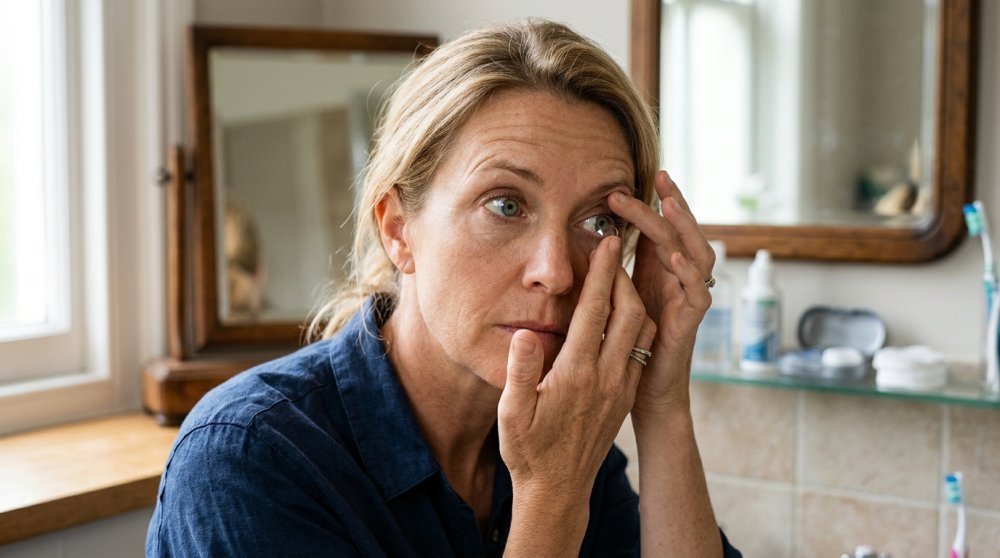
For millions of Americans over 40 who rely on contact lenses, the creeping discomfort of dry, irritated eyes has become an unwelcome daily reality. That scratchy, gritty sensation that worsens as the day progresses isn’t just annoying—it’s your eyes sending an urgent message that something needs to change.
The good news? You don’t have to resign yourself to a life sentence of uncomfortable vision correction or switch back to glasses permanently. Eye care professionals say the solution often lies in understanding why contact lenses and dry eyes create such a problematic combination—and making a few strategic adjustments to your routine.
Contact lenses sit directly on the tear film that naturally lubricates your eyes. When that delicate moisture balance gets disrupted, discomfort follows quickly. Age makes this challenge more pronounced, as tear production naturally decreases after 40, creating a perfect storm for contact lens wearers entering their middle years.
“The biggest mistake people make is trying to power through the discomfort,” explains Dr. Jennifer Harthan, an optometrist and contact lens specialist. “Your eyes are telling you something needs adjustment, whether that’s the type of lens you’re wearing, how long you’re wearing them, or your overall eye health routine.”
Environmental factors compound the problem. Spending hours in air-conditioned offices, staring at computer screens, or living in dry climates all accelerate tear evaporation. Women going through hormonal changes face additional challenges, as fluctuating estrogen and progesterone levels directly impact tear quality and quantity.
The lens material itself plays a significant role in comfort. Traditional soft lenses act like tiny sponges, absorbing moisture from your tear film to stay pliable. Newer silicone hydrogel lenses allow more oxygen to reach the cornea while requiring less water content, which can mean dramatically improved comfort for dry-eye sufferers.
Daily disposable lenses represent perhaps the single most effective upgrade for people struggling with dryness. Because you use a fresh, sterile lens each day, protein deposits and debris never get the chance to build up and cause irritation. This approach eliminates the need for cleaning solutions that can sometimes trigger their own sensitivity reactions.
“Switching to daily disposables solved my dry eye problems almost overnight,” reports Sarah Mitchell, a 47-year-old accountant who had nearly given up on contacts. “I didn’t realize how much buildup was affecting my comfort until I started fresh every morning.”
Rewetting drops formulated specifically for contact lens wearers provide targeted relief throughout the day. These specialized lubricants are designed to work with lens materials rather than against them, restoring the moisture cushion your eyes need without creating blurry vision or damaging the lenses.
The 20-20-20 rule offers another simple but powerful intervention: Every 20 minutes, look at something 20 feet away for 20 seconds. This practice reduces eye strain and encourages natural blinking, which many people unconsciously suppress during concentrated visual tasks like reading or computer work.
Hydration matters more than most people realize. Drinking adequate water throughout the day directly impacts tear production and quality. Omega-3 fatty acids from fish oil supplements have shown promise in clinical studies for improving tear film stability and reducing inflammation associated with dry eyes.
Sometimes the solution requires reducing wear time rather than abandoning contacts altogether. Many successful contact lens wearers over 40 adopt a hybrid approach—wearing lenses for specific activities like exercise, social events, or driving, while defaulting to glasses for extended reading sessions or home relaxation time.
“There’s no rule that says you must wear contacts all day, every day,” notes Dr. Harthan. “Giving your eyes regular breaks can extend your comfortable wearing time for decades.”
Proper lens hygiene remains non-negotiable, even with the most advanced lens materials. Sleeping in contacts—even those marketed as extended-wear—dramatically increases infection risk and accelerates dryness. The eyes need regular oxygen exposure and recovery time without the barrier of a lens.
Makeup application technique also deserves attention. Applying cosmetics after inserting lenses and removing lenses before taking off makeup prevents particles from getting trapped against the eye. Oil-free, hypoallergenic products reduce the likelihood of residue interfering with lens comfort.
For persistent problems that don’t respond to these adjustments, specialty lens options exist. Scleral lenses, which vault over the cornea and rest on the white part of the eye, create a fluid reservoir that can provide exceptional comfort for severe dry eye cases. Hybrid lenses combining rigid center optics with soft skirts offer another alternative worth exploring.
Underlying health conditions sometimes masquerade as simple contact lens intolerance. Autoimmune disorders like Sjögren’s syndrome, thyroid dysfunction, and certain medications can all cause dry eyes. A comprehensive evaluation by an eye care professional can identify these contributing factors and guide appropriate treatment.
The contact lens industry continues innovating specifically for the aging eye. Water gradient lenses maintain higher moisture content at the surface, while newer preservative-free multipurpose solutions reduce chemical exposure that can trigger sensitivity. These advances mean options exist today that weren’t available even five years ago.
Managing dry eyes with contact lenses requires a personalized approach rather than a one-size-fits-all solution. What works brilliantly for one person might fail completely for another, making professional guidance and patient experimentation essential components of success.
The investment in finding the right combination of lens type, wearing schedule, and supportive care pays dividends in sustained comfort and visual freedom. Clear, comfortable vision without the inconvenience of glasses remains achievable for most people willing to make thoughtful adjustments to their contact lens routine.
Your forties and beyond don’t have to mean the end of contact lens wear—just a more intentional, informed approach to keeping your eyes healthy and comfortable while enjoying the benefits contacts provide.
