Nutrition
The Surprising Truth About Your Favorite Gourmet Salt

Health Points
- Both Himalayan and sea salt contain trace minerals, but in amounts too small to significantly impact daily nutritional needs
- All salts, regardless of color or origin, contain approximately 40% sodium and should be limited to 2,300 mg per day
- Choosing salt based on flavor preference rather than purported health benefits is the most practical approach for home cooks
The shelves of specialty food stores tell a colorful story: from pale pink Himalayan crystals to flaky sea salt pyramids, premium salts have become kitchen staples for health-conscious Americans. But beneath the marketing claims and gourmet appeal lies a more modest reality about these trendy seasonings.
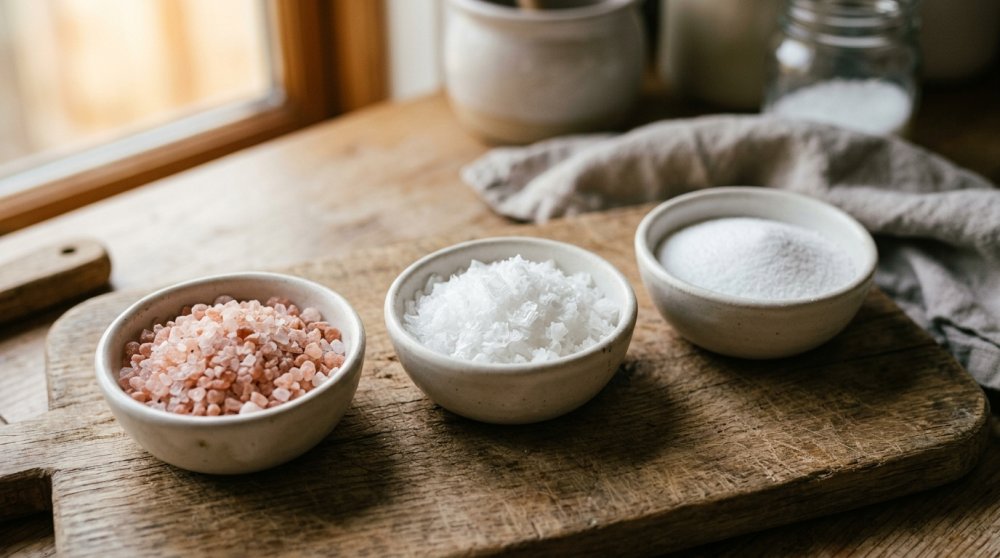
Himalayan pink salt, mined from ancient deposits in Pakistan, has captured the imagination of wellness enthusiasts with its rosy hue and exotic origins. Sea salt, harvested through evaporation of ocean water, offers its own artisanal appeal. Yet registered dietitians caution against expecting transformative health benefits from either option.
“The mineral content that gives these salts their distinctive colors exists in such trace amounts that you’d never consume enough to meet your daily requirements,” explains nutrition experts familiar with common salt misconceptions. The iron oxide that creates Himalayan salt’s signature pink tint, for instance, appears in quantities far too small to address dietary iron needs.
The fundamental challenge remains unchanged across all salt varieties: sodium content. Whether extracted from mountain deposits or ocean basins, salt consists of roughly 40% sodium by composition. The American Heart Association recommends limiting sodium intake to no more than 2,300 milligrams daily—ideally moving toward 1,500 mg for most adults.
“A teaspoon of any salt delivers about 2,300 mg of sodium,” nutrition professionals note. This reality transcends packaging claims or price points.
The processing differences between salts offer minimal nutritional significance. While table salt undergoes refinement and typically includes iodine fortification, Himalayan and sea salts remain largely unprocessed. This distinction affects texture and flavor more than health outcomes.
For families concerned about iodine intake—particularly important for thyroid function and childhood development—table salt’s fortification offers genuine value. The introduction of iodized salt in the 1920s virtually eliminated goiter as a public health concern in America. Traditional values of food security and family health were well-served by this simple intervention.
The trace mineral profile of specialty salts reads impressively on paper: calcium, magnesium, potassium, and iron among them. Himalayan salt may contain up to 84 different minerals. But volume matters. The microscopic quantities present in a typical serving contribute negligibly to daily nutritional requirements.
“You’d need to consume dangerous amounts of salt to obtain meaningful minerals from these sources,” dietitians emphasize. Vegetables, whole grains, lean proteins, and dairy products remain far superior mineral sources.
Cost considerations also merit attention. Himalayan and specialty sea salts command premium prices—sometimes ten times the cost of conventional table salt. For households managing grocery budgets, this represents a significant expense for minimal nutritional return.
The practical wisdom suggests choosing salt based on culinary preferences rather than health claims. Coarse sea salt crystals excel at finishing dishes, providing textural contrast and flavor bursts. Fine Himalayan salt dissolves readily in cooking. Standard table salt offers consistency and iodine fortification at economical prices.
“Let taste and cooking technique guide your selection,” advises culinary nutrition experts. “The health differences are essentially negligible.”
For those seeking to reduce sodium intake—a goal supported by cardiovascular health research—strategies extend beyond salt selection. Incorporating more fresh herbs, citrus, garlic, and spices builds flavor complexity without sodium. Reading nutrition labels helps identify hidden salt in processed foods, where Americans consume the majority of their daily sodium.
The romance of ancient salt deposits and sun-evaporated sea crystals has its place in the kitchen. These products offer legitimate culinary value through varied textures and subtle flavor differences. Home cooks passionate about ingredients may find joy in experimenting with specialty salts for specific applications.
But the notion that pink or gray salt crystals provide superior nutrition compared to conventional alternatives lacks scientific support. The mineral content, while present, exists in homeopathic quantities relative to dietary needs.
Traditional American values of practicality and stewardship suggest a balanced approach: invest in specialty salts if they enhance your cooking enjoyment, but recognize them as flavor enhancers rather than health supplements. The money saved might better serve family nutrition through purchases of fresh produce, quality proteins, or other nutrient-dense whole foods.
For maintaining optimal health after 40, managing overall sodium intake matters far more than salt color or origin. Blood pressure concerns, kidney function, and cardiovascular health all respond to total sodium consumption rather than mineral trace elements in premium salts.
The wisdom lies not in choosing Himalayan over sea or table salt, but in using all salt judiciously. Moderation, variety in whole food choices, and attention to overall dietary patterns create the foundation for lasting wellness—a truth more valuable than any gourmet seasoning.

LD Jenkins
August 20, 2026 at 8:22 pm
You didn’t even mention sea salt is loadedwith plastics. That’s why I use it sparingly & use Himalayan generally.