Nutrition
The Green Protein Powerhouse Hiding in Your Freezer

Health Points
- One cup of edamame delivers 18 grams of complete plant protein with all nine essential amino acids
- Rich in heart-healthy fiber, folate, and antioxidants that support cardiovascular wellness
- Natural compounds in edamame may help maintain healthy bone density and hormonal balance
For health-conscious Americans over 40, finding nutritious foods that actually taste good can feel like a challenge. But there’s a humble green bean that’s been sitting in grocery freezers all along, quietly offering remarkable nutritional benefits without any fuss or fancy preparation.
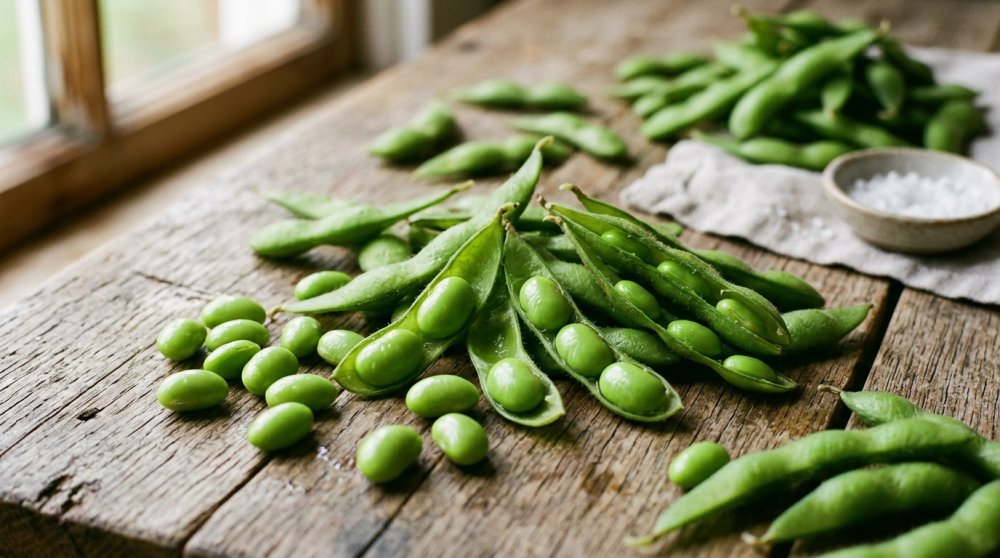
Edamame—those tender young soybeans traditionally served in Japanese restaurants—pack an impressive nutritional punch that rivals many trendy superfoods. These vibrant green pods contain a complete protein profile rarely found in plant-based foods, making them particularly valuable for maintaining muscle mass as we age.
“Edamame provides all nine essential amino acids your body can’t make on its own,” explains registered dietitian Sarah Johnson, a nutrition consultant based in Phoenix. “That puts it in the same category as eggs and meat when it comes to protein quality.”
One cup of shelled edamame contains about 18 grams of protein—more than three large eggs. But the benefits extend well beyond protein content.
The fiber content in edamame supports digestive health and helps maintain steady blood sugar levels throughout the day. With 8 grams of fiber per cup, these beans contribute significantly to the 25-30 grams adults should consume daily.
Heart health represents another compelling reason to add edamame to your regular meal rotation. The beans contain folate, magnesium, and potassium—three nutrients that work together to support cardiovascular function and maintain healthy blood pressure levels.
“We’re seeing more research on how soy foods like edamame can support heart health through multiple mechanisms,” notes Dr. Michael Chen, a cardiologist practicing in Dallas. “The combination of fiber, healthy fats, and plant compounds creates a beneficial effect on cholesterol levels.”
For women navigating perimenopause and menopause, edamame offers natural isoflavones—plant compounds with a mild estrogenic effect that may help ease hot flashes and support bone density. While these compounds have sometimes generated controversy, moderate consumption of whole soy foods like edamame appears safe and potentially beneficial for most people.
The antioxidant content in edamame shouldn’t be overlooked either. These beans contain vitamin C, vitamin E, and various polyphenols that help protect cells from oxidative stress—a factor in many age-related health concerns.
Preparation couldn’t be simpler. Most people buy edamame frozen, which preserves the nutritional content beautifully.
Boil the pods for 3-5 minutes, drain, and sprinkle with sea salt for a classic appetizer. Or shell the beans and toss them into salads, grain bowls, or stir-fries for a protein boost.
“I recommend keeping a bag of shelled edamame in your freezer at all times,” Johnson suggests. “They’re ready in minutes and can transform a carb-heavy meal into something more balanced and satisfying.”
Some people worry about soy consumption due to conflicting information circulating online. However, mainstream medical organizations agree that whole soy foods like edamame are healthful for most individuals when consumed as part of a varied diet.
The key distinction lies between highly processed soy products—like soy protein isolates found in some nutrition bars—and whole food sources. Edamame falls squarely in the whole food category, retaining all the natural nutrients and beneficial compounds.
For those watching their weight, edamame offers excellent satiety. The combination of protein and fiber helps you feel full longer, potentially reducing overall calorie intake throughout the day without feeling deprived.
At roughly 180 calories per cup, these beans provide substantial nutrition without breaking your calorie budget. They also contain virtually no saturated fat, fitting well into heart-healthy eating patterns.
Whether you’re looking to increase plant-based protein, support heart health, or simply add more nutrient-dense foods to your diet, edamame deserves a regular spot on your plate. This affordable, versatile bean proves that some of the best nutritional choices are also the simplest ones.
