Nutrition
Eight Natural Seasonings That May Strengthen Your Body’s Defenses

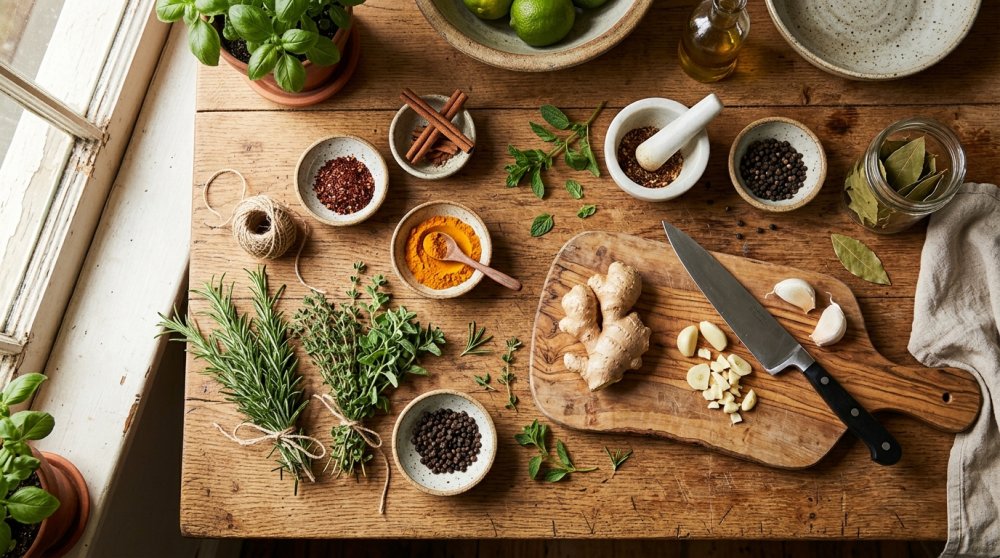
Health Points
- Common kitchen herbs and spices contain compounds that may support immune function and overall wellness
- Traditional remedies like ginger, turmeric, and garlic have been used for centuries and are now backed by modern research
- Incorporating these natural ingredients into daily meals offers a simple, affordable way to support health
The secret to supporting your immune system may already be sitting in your kitchen spice rack. A growing body of research suggests that common herbs and spices—many used for centuries in traditional medicine—contain powerful compounds that can help strengthen the body’s natural defenses.
As Americans increasingly seek natural approaches to wellness, these everyday seasonings offer an accessible starting point. From the turmeric in your curry to the garlic in your pasta sauce, these ingredients do more than just enhance flavor—they may provide meaningful health benefits.
“Nature has given us an incredible pharmacy in the form of herbs and spices,” explains Dr. Sarah Mitchell, a naturopathic physician specializing in integrative medicine. “The compounds in these plants have been studied extensively, and we’re finding scientific validation for what traditional healers have known for generations.”
Turmeric: The Golden Healer
This vibrant yellow spice, a staple in Indian cuisine, contains curcumin, a compound with notable anti-inflammatory and antioxidant properties. Research indicates that curcumin may help modulate immune responses and support the body’s ability to fight off illness.
The challenge with turmeric is absorption—curcumin isn’t easily utilized by the body on its own. Pairing it with black pepper, which contains piperine, can increase absorption by up to 2,000 percent, making golden milk or turmeric-spiced dishes with a dash of pepper particularly effective.
Ginger: Ancient Medicine for Modern Times
Used in traditional Chinese and Ayurvedic medicine for thousands of years, ginger contains gingerol, a bioactive substance with powerful medicinal properties. Studies suggest ginger may help combat inflammation, support digestive health, and enhance immune function.
Fresh ginger can be grated into teas, smoothies, or stir-fries. Even the simple practice of sipping ginger tea when feeling under the weather has scientific merit—the warmth and compounds work together to provide comfort and potential immune support.
Garlic: Nature’s Antibiotic
Garlic has earned its reputation as a health powerhouse. When crushed or chopped, it produces allicin, a compound with antimicrobial properties that may help the body fight infections. Research has shown that regular garlic consumption may reduce the frequency and severity of common colds.
“Garlic truly is remarkable,” notes Dr. Mitchell. “The key is to crush or mince it and let it sit for about 10 minutes before cooking—this allows the beneficial compounds to fully form.”
Cinnamon: Sweet Support
This beloved spice offers more than just warmth and sweetness. Cinnamon is loaded with antioxidants and has demonstrated antimicrobial properties in laboratory studies. It may also help regulate blood sugar levels, which indirectly supports immune function by reducing inflammation associated with blood sugar spikes.
Ceylon cinnamon, sometimes called “true cinnamon,” is preferable to the more common Cassia variety, particularly when consuming larger amounts, as it contains lower levels of coumarin, a compound that can be harmful in high doses.
Oregano: Mediterranean Wellness
Often overlooked beyond its role in Italian cooking, oregano contains carvacrol and thymol, compounds with antimicrobial and antioxidant properties. Oil of oregano has become a popular supplement, though incorporating the fresh or dried herb into cooking provides benefits as well.
The herb’s robust flavor pairs well with roasted vegetables, grilled meats, and tomato-based dishes, making it easy to include in a health-conscious diet.
Cayenne Pepper: Heat With Benefits
The capsaicin that gives cayenne its characteristic heat also provides immune-supporting benefits. This compound may help boost metabolism, support circulation, and provide antioxidant effects. Some research suggests capsaicin can help clear congestion and support respiratory health.
Adding a pinch of cayenne to soups, stews, or even hot chocolate (a traditional Mexican preparation) can provide these benefits while adding a pleasant kick to meals.
Rosemary: Aromatic Protection
This fragrant herb contains rosmarinic acid and other compounds that may support immune function and reduce inflammation. Rosemary has also been studied for its potential cognitive benefits, making it a dual-purpose addition to the health-conscious kitchen.
Fresh rosemary elevates roasted meats and vegetables, while dried rosemary works well in breads, soups, and marinades.
Thyme: Small Herb, Big Impact
Thyme has been used historically to support respiratory health, and modern research confirms its antimicrobial properties. The herb contains thymol, a compound that may help support the immune system and fight harmful microorganisms.
“These herbs and spices work best as part of an overall healthy lifestyle,” emphasizes Dr. Mitchell. “They’re not magic bullets, but when combined with adequate sleep, stress management, and a balanced diet, they can be valuable allies in supporting wellness.”
The beauty of these natural remedies lies in their accessibility and safety. Unlike many supplements, herbs and spices used in cooking are generally recognized as safe and can be incorporated into daily meals without concern. They represent a traditional, common-sense approach to health that aligns with conservative values of self-reliance and natural living.
For those looking to strengthen their immune systems, the path forward may be as simple as reaching for the spice rack. These time-tested ingredients offer a practical, affordable way to support health—proving that sometimes the best medicine really is found in nature’s pharmacy.
