Nutrition
The Simple Pantry Upgrade That Transforms Your Tuna Sandwich

Health Points
- Choosing tuna packed in water instead of oil reduces calories while preserving protein and omega-3 fatty acids
- Adding fiber-rich vegetables like celery, carrots, and leafy greens boosts nutritional value and promotes digestive health
- Swapping mayonnaise for Greek yogurt or avocado cuts saturated fat while increasing protein and healthy fats
Canned tuna has long been a staple in American kitchens, offering an affordable and convenient source of protein. But registered dietitians say many people miss simple opportunities to transform this humble pantry item into a nutritional powerhouse.
The key lies in thoughtful preparation choices that enhance rather than diminish tuna’s natural benefits. According to nutrition experts, five strategic swaps can significantly improve the health profile of your next tuna meal without sacrificing taste or convenience.
First, opt for tuna packed in water rather than oil. While oil-packed varieties add calories and fat, water-packed tuna preserves the fish’s natural omega-3 fatty acids while keeping the calorie count low. A single serving of water-packed tuna contains approximately 100 calories compared to 150-200 calories in oil-packed versions.
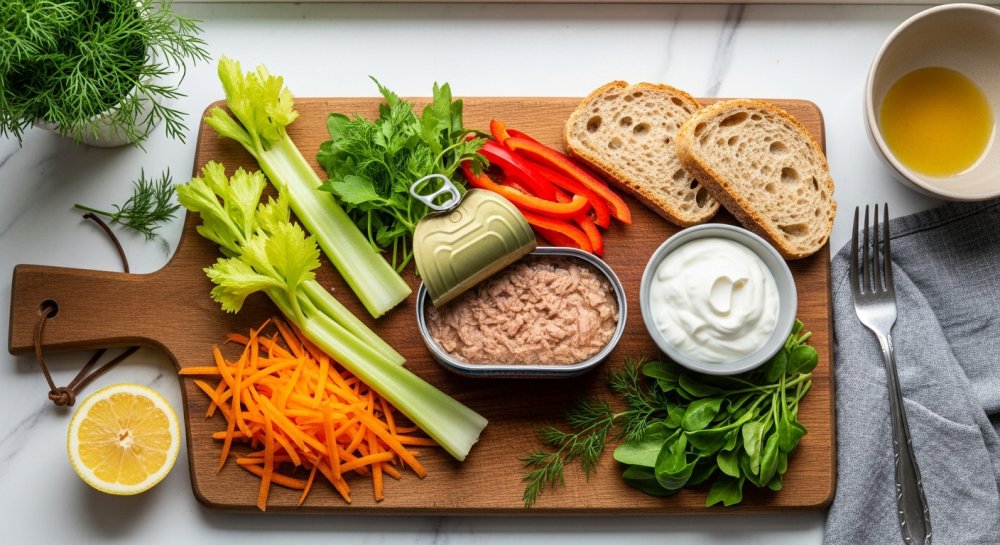
Second, incorporate colorful vegetables to boost fiber and micronutrients. Diced celery, shredded carrots, chopped bell peppers, and leafy greens like spinach or arugula add crunch, flavor, and valuable vitamins. These additions also help with satiety, making the meal more satisfying without adding significant calories.
Third, reconsider your binder. Traditional tuna salad recipes call for mayonnaise, which adds saturated fat and calories. Plain Greek yogurt offers a tangy alternative that increases protein content while reducing fat. Mashed avocado provides another option, delivering heart-healthy monounsaturated fats and a creamy texture.
Fourth, choose whole grain bread or wraps instead of refined white bread. Whole grains provide sustained energy through complex carbohydrates and offer more fiber, B vitamins, and minerals. This simple swap helps stabilize blood sugar levels and supports digestive health.
Fifth, season strategically with herbs and spices rather than salt-heavy condiments. Fresh dill, parsley, black pepper, garlic powder, and lemon juice enhance flavor without the sodium overload found in many prepared seasonings. This approach is especially important for those monitoring blood pressure or sodium intake.
Dietitians emphasize that canned tuna remains an excellent choice for health-conscious Americans, particularly those over 40 who benefit from lean protein sources. The fish provides essential nutrients including selenium, vitamin D, and vitamin B12, all of which support immune function, bone health, and energy metabolism.
When shopping for canned tuna, look for products labeled as sustainably caught to support responsible fishing practices. Some brands also offer lower-mercury options, which can be important for those who consume tuna regularly.
These five adjustments require minimal extra effort but deliver substantial nutritional returns. By making smarter choices about what surrounds the tuna on your plate, you can transform a simple sandwich into a balanced meal that supports long-term health and wellness.
