Health
The Critical Warning Signs Your Body Sends Before a Stroke or Heart Attack

Health Points
- Strokes occur when blood flow to the brain is blocked or a blood vessel ruptures, while heart attacks happen when blood flow to the heart muscle is obstructed
- Stroke symptoms include sudden facial drooping, arm weakness, and speech difficulties, while heart attack warning signs feature chest pain, shortness of breath, and upper body discomfort
- Both medical emergencies require immediate 911 calls, as rapid treatment within the first hours can prevent permanent damage and save lives
When a medical emergency strikes, every second counts. Yet many Americans still confuse two of the most serious health crises: strokes and heart attacks. Understanding the difference could mean the difference between life and death for you or a loved one.
Both conditions share a common thread—they involve blocked blood flow that can cause permanent damage or death. But the similarities largely end there. The two emergencies affect different organs, present different symptoms, and require different immediate responses.
A stroke occurs when blood flow to part of the brain is interrupted or when a blood vessel in the brain ruptures. Without oxygen-rich blood, brain cells begin dying within minutes. A heart attack, by contrast, happens when blood flow to a section of the heart muscle becomes blocked, typically by a blood clot in a coronary artery.
The distinction matters immensely for treatment. Medical professionals use different interventions for each condition, and recognizing the right symptoms helps emergency responders prepare the appropriate care before you even reach the hospital.
For stroke recognition, medical experts recommend the F.A.S.T. method: Face drooping, Arm weakness, Speech difficulty, and Time to call 911. Additional warning signs include sudden confusion, trouble seeing in one or both eyes, difficulty walking, dizziness, loss of balance or coordination, and severe headache with no known cause.
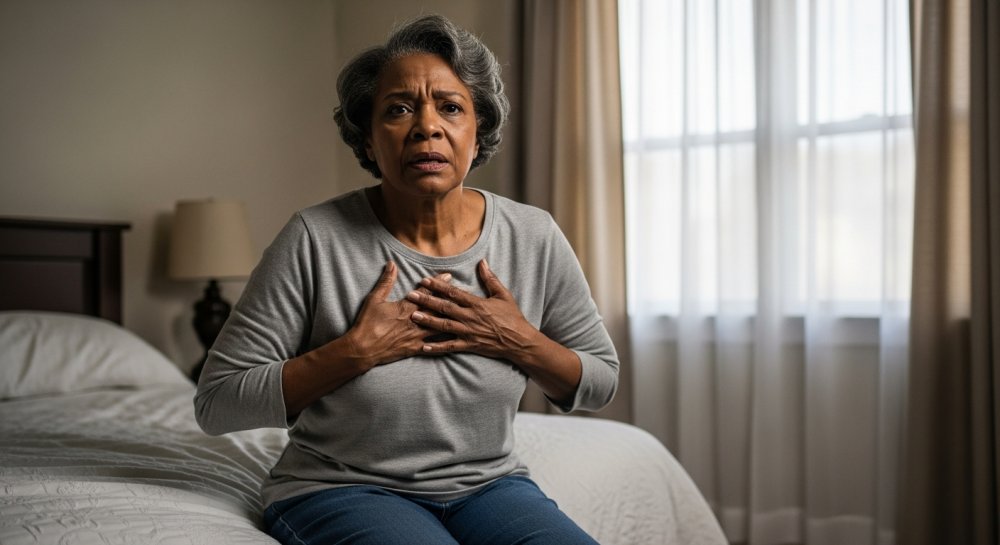
Heart attack symptoms present differently. The classic sign is chest pain or discomfort—often described as uncomfortable pressure, squeezing, fullness, or pain in the center of the chest that lasts more than a few minutes or goes away and comes back. But heart attacks don’t always announce themselves so clearly.
Other heart attack symptoms include discomfort in other areas of the upper body such as one or both arms, the back, neck, jaw, or stomach. Shortness of breath may occur with or without chest discomfort. Additional signs include breaking out in a cold sweat, nausea, or lightheadedness.
Women, older adults, and people with diabetes may experience heart attacks without the classic chest pain. They might instead feel extreme fatigue, nausea, or shortness of breath—symptoms often mistaken for less serious conditions.
The underlying causes of these emergencies differ substantially. Strokes typically result from either ischemic events (when blood clots block arteries leading to the brain) or hemorrhagic events (when blood vessels in the brain burst). Heart attacks almost always stem from coronary artery disease, where plaque buildup narrows the arteries supplying the heart.
Risk factors overlap considerably between the two conditions. High blood pressure, high cholesterol, diabetes, smoking, obesity, and physical inactivity increase your chances of both strokes and heart attacks. Family history and age also play significant roles, with risk increasing dramatically after age 55.
Prevention strategies align closely for both conditions. Maintaining a healthy diet rich in fruits, vegetables, whole grains, and lean proteins helps protect your cardiovascular system. Regular physical activity—at least 150 minutes of moderate exercise weekly—strengthens your heart and improves circulation throughout your body.
Managing chronic conditions proves equally critical. If you have high blood pressure, diabetes, or high cholesterol, working with your healthcare provider to control these conditions dramatically reduces your risk. Many people over 40 benefit from daily low-dose aspirin, though you should consult your doctor before starting any new medication regimen.
Avoiding tobacco in all forms ranks among the most powerful prevention steps. Smoking damages blood vessels, raises blood pressure, and increases clot formation. Even secondhand smoke exposure elevates your risk.
Limiting alcohol consumption matters too. While moderate drinking may offer some cardiovascular benefits, excessive alcohol intake raises blood pressure and contributes to irregular heartbeats, both of which increase stroke and heart attack risk.
When either emergency occurs, time becomes the enemy. For strokes, doctors often say “time is brain”—every minute without treatment means more brain cells die. Clot-busting drugs for ischemic strokes work best when administered within three hours of symptom onset, though they can sometimes help up to 4.5 hours later.
Heart attack treatment similarly benefits from speed. Restoring blood flow to the heart muscle within 90 minutes of symptom onset significantly improves outcomes. Delayed treatment increases the risk of permanent heart damage and heart failure.
Never attempt to drive yourself to the hospital during either emergency. Calling 911 ensures you receive immediate medical attention and allows emergency personnel to begin treatment en route. Paramedics can also alert the hospital to prepare for your specific emergency, saving precious minutes upon arrival.
Recovery trajectories differ substantially between the two conditions. Stroke survivors often face rehabilitation for physical, speech, or cognitive impairments depending on which brain area was damaged. Heart attack recovery typically focuses on cardiac rehabilitation—a supervised program of exercise, education, and counseling designed to strengthen the heart and prevent future events.
Both conditions serve as wake-up calls for lifestyle modification. Many survivors report that their medical crisis motivated them to finally make the healthy changes they’d been postponing—quitting smoking, losing weight, exercising regularly, and eating better.
The good news is that both strokes and heart attacks have become increasingly survivable. Advances in emergency medicine, surgical techniques, and rehabilitation have dramatically improved outcomes over the past two decades. But survival and recovery still depend heavily on recognizing symptoms quickly and seeking immediate medical help.
For those over 40, knowing your personal risk factors becomes increasingly important. Schedule regular checkups with your healthcare provider to monitor blood pressure, cholesterol levels, and blood sugar. These simple screenings can identify problems before they lead to emergencies.
Understanding the difference between strokes and heart attacks empowers you to respond appropriately when every second counts. While both require immediate emergency care, recognizing the distinct symptoms helps you provide critical information to emergency responders and potentially saves lives.
