Nutrition
The Cooking Method That Secretly Destroys Your Food’s Nutrients

Health Points
- Steaming and poaching preserve the most nutrients while minimizing added fats and harmful compounds
- Deep frying creates advanced glycation end products (AGEs) that accelerate aging and inflammation
- Grilling and charring meats can produce carcinogenic compounds that increase cancer risk
The way you prepare your meals matters just as much as what’s on your plate. While home cooking remains one of the healthiest habits you can adopt, certain cooking techniques can transform nutritious ingredients into inflammatory foods that accelerate aging and disease.
Registered dietitians have ranked eleven common cooking methods based on their impact on nutrient retention, fat content, and the formation of harmful compounds. The results reveal surprising truths about popular techniques many families use daily.
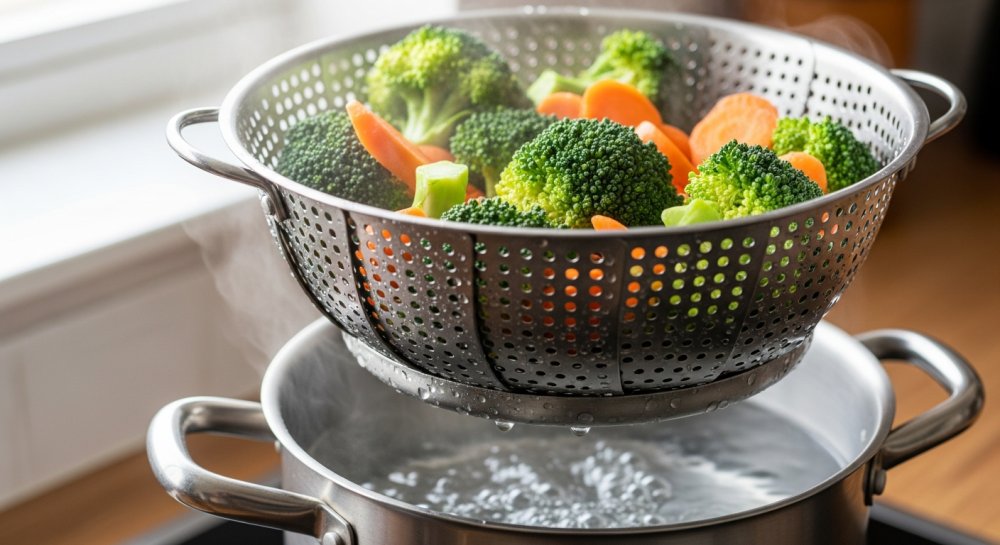
“Steaming is hands-down the winner when it comes to preserving nutrients,” says Amy Shapiro, RD, founder of Real Nutrition. “It uses gentle heat and minimal water, which means vitamins and minerals stay in your food instead of leaching out.”
The top tier of healthy cooking includes steaming, poaching, and pressure cooking. These methods require little to no added fat and maintain the integrity of heat-sensitive nutrients like vitamin C and B vitamins. Traditional families seeking to maximize the nutritional value of their grocery budget should prioritize these gentle techniques.
Sautéing, stir-frying, and baking occupy the middle ground. While these methods can be healthy when executed properly, they carry risks when overdone. The key lies in temperature control and oil selection.
“When you’re sautéing or stir-frying, use oils with high smoke points like avocado oil,” explains nutritionist Samantha Cassetty, RD. “And keep your heat moderate—you don’t want smoking pans, which create oxidized fats that are inflammatory.”
The bottom tier reveals where many American cooking traditions run into trouble. Deep frying, charring, and high-heat grilling create advanced glycation end products—compounds that accelerate cellular aging and increase inflammation throughout the body.
Research published in the Journal of the American Dietetic Association found that grilled and broiled meats contain significantly higher levels of heterocyclic amines (HCAs) and polycyclic aromatic hydrocarbons (PAHs), both linked to increased cancer risk. These compounds form when muscle meat is exposed to very high temperatures.
Deep frying presents particular concerns for aging adults. The process not only adds substantial calories through oil absorption but also creates trans fats when oils break down under extreme heat. A single serving of deep-fried chicken can contain more AGEs than an entire day’s worth of steamed and roasted foods combined.
“The typical American diet is already overloaded with AGEs from processed foods,” notes registered dietitian Frances Largeman-Roth. “When we add deep frying at home, we’re compounding the inflammatory burden on our bodies.”
Microwave cooking earns a middle ranking that surprises many home cooks. Despite persistent myths about radiation and nutrient destruction, microwaving actually preserves more nutrients than boiling because it uses less water and shorter cooking times. For busy families, properly microwaved vegetables retain more vitamins than their boiled counterparts.
Roasting and baking receive favorable marks when performed at moderate temperatures. These dry-heat methods concentrate flavors without requiring excessive fat. However, oven temperatures above 400°F begin creating those same problematic compounds found in grilling.
The complete ranking from healthiest to least healthy follows this order: steaming, poaching, pressure cooking, microwaving, sautéing, stir-frying, baking, roasting, grilling, broiling, and deep frying.
Practical adjustments make significant differences. Marinating meats before grilling reduces HCA formation by up to 90 percent. Choosing herbs and acidic marinades provides both flavor enhancement and protective compounds that buffer against harmful chemical reactions.
“You don’t have to give up grilled foods entirely,” says Shapiro. “But making them an occasional treat rather than a daily staple reduces your cumulative exposure to these compounds over time.”
For vegetables, brief exposure to heat through steaming or quick sautéing actually increases the bioavailability of certain nutrients. Lycopene in tomatoes becomes more absorbable when cooked. Carotenoids in carrots and sweet potatoes similarly benefit from gentle heating.
The message for health-conscious home cooks centers on variety and moderation. Rotating between steaming, sautéing, and moderate-temperature roasting provides both nutritional benefits and culinary diversity. Save the deep fryer for rare occasions and monitor grilling temperatures carefully.
Traditional cooking wisdom emphasized methods that modern science now validates—gentle simmering, careful steaming, and patient roasting. These time-honored techniques that sustained previous generations offer the same benefits today, particularly for adults navigating the health challenges of middle age and beyond.
Small changes in cooking habits compound over months and years. Switching from daily deep frying to steaming vegetables just three times weekly can reduce inflammatory markers and improve cardiovascular health. These incremental improvements align with the evidence-based approach to healthy aging that emphasizes sustainable, practical changes over dramatic overhauls.
