Nutrition
These Everyday Foods Outperform Bread for Lasting Fullness

Health Points
- Certain whole foods can keep you satisfied significantly longer than bread, helping reduce snacking and support healthy weight management
- High-protein and high-fiber foods score higher on the satiety index, a scientific measure of how full different foods make you feel
- Simple swaps like choosing eggs over toast or Greek yogurt over bagels can dramatically impact hunger levels throughout the day
When it comes to staying satisfied between meals, not all foods are created equal. While bread remains a breakfast and lunch staple for millions of Americans, research shows a dozen common alternatives can keep hunger at bay far more effectively.
The science behind fullness isn’t just about calories. Registered dietitians point to the satiety index, a research-based ranking system developed in the 1990s that measures how different foods affect hunger over a two-hour period.
“Protein and fiber are the two nutritional powerhouses when it comes to satiety,” explains nutritionist Sarah Mitchell, RD. “Foods rich in these nutrients slow digestion and help regulate blood sugar, which translates to fewer cravings and better appetite control throughout the day.”
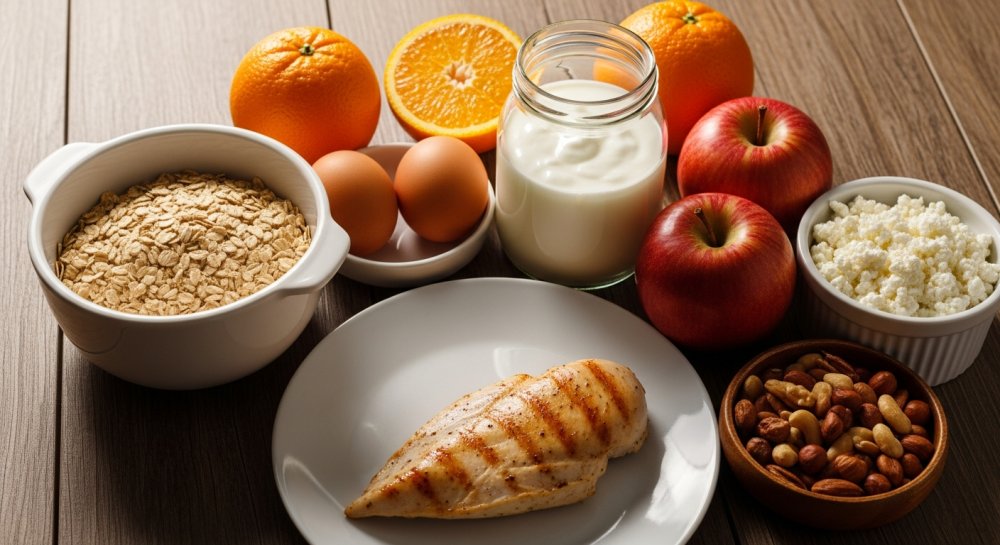
Eggs top the list as a bread alternative. A single large egg contains 6 grams of protein and essential nutrients like choline and vitamin D. Studies show that eating eggs for breakfast leads to reduced calorie intake at lunch compared to bagel-based breakfasts with identical calorie counts.
Greek yogurt offers another protein-packed option. With roughly twice the protein of regular yogurt and beneficial probiotics, a cup of plain Greek yogurt delivers sustained energy. The combination of protein and healthy fats helps maintain stable blood sugar levels.
Oatmeal stands out among grain options. The soluble fiber in oats forms a gel-like substance during digestion that slows stomach emptying. A bowl of steel-cut or rolled oats keeps you fuller longer than the same volume of bread.
Potatoes surprisingly rank high on the satiety index. Boiled potatoes scored 323 on the index compared to white bread’s baseline of 100. The resistant starch in cooled potatoes provides additional benefits for blood sugar control and gut health.
Lean proteins including chicken breast, fish, and lean beef all outperform bread for fullness. A 3-ounce serving of grilled chicken provides about 26 grams of protein with minimal carbohydrates, supporting muscle maintenance while controlling appetite.
“The thermic effect of protein means your body actually burns more calories digesting it compared to carbohydrates,” notes Dr. Michael Chen, a metabolism researcher. “This metabolic advantage compounds the satiety benefits.”
Beans and legumes combine protein and fiber in one package. A cup of black beans delivers 15 grams of protein and 15 grams of fiber, creating a powerful one-two punch against hunger that bread simply can’t match.
Nuts and nut butters provide healthy fats alongside protein. While calorie-dense, studies show people who regularly consume nuts tend to maintain healthier weights, possibly because the fat and protein combination promotes fullness.
Apples and oranges bring fiber with natural sweetness. The pectin fiber in apples slows digestion, while oranges provide both fiber and high water content. Both fruits score significantly higher than bread on satiety measures.
Cheese offers concentrated protein and fat. An ounce of cheddar contains 7 grams of protein and, when paired with vegetables, creates a satisfying snack that keeps hunger away longer than crackers or bread.
Cottage cheese has experienced a renaissance among health-conscious eaters. With about 14 grams of protein per half-cup serving, it provides steady energy without the blood sugar spike associated with refined bread products.
Popcorn rounds out the list as a high-volume, low-calorie option. Air-popped popcorn delivers whole-grain fiber and takes longer to eat than bread, giving satiety signals time to reach the brain.
The practical application comes down to strategic substitutions. Swapping your morning toast for scrambled eggs, replacing a sandwich with a salad topped with grilled chicken, or choosing an apple with almond butter over crackers can significantly impact daily hunger levels.
Portion sizes matter regardless of food choice. Even the most satiating foods can contribute to weight gain when consumed in excess. The key is understanding that these alternatives allow you to feel satisfied with appropriate portions.
Individual responses to different foods vary based on metabolism, activity level, and personal preferences. Keeping a food journal can help identify which high-satiety foods work best for your lifestyle and hunger patterns.
For those with gluten sensitivities or celiac disease, many of these bread alternatives offer additional benefits beyond satiety. The variety of naturally gluten-free options means no one needs to feel restricted in their meal planning.
The broader message isn’t that bread should be eliminated entirely from a healthy diet. Whole-grain breads provide valuable nutrients and can fit into balanced eating patterns. However, understanding that numerous alternatives offer superior satiety empowers smarter food choices aligned with individual health goals.
