Nutrition
One Simple Kitchen Swap Could Transform Your Cholesterol Numbers

Health Points
- Replacing saturated fats with unsaturated fats can lower LDL cholesterol by up to 10%
- Extra virgin olive oil contains polyphenols that reduce inflammation and protect heart health
- Cooking oils high in omega-3 fatty acids support healthy cholesterol balance and cardiovascular function
For Americans over 40 concerned about heart health, the oils sitting in your kitchen cabinet could be making a bigger difference than you realize. New guidance from nutrition experts reveals how simple swaps in cooking oils can support healthier cholesterol levels without overhauling your entire diet.
The connection between dietary fats and cholesterol has been studied for decades, but recent research continues to refine our understanding of which oils deliver the most benefit. Registered dietitians now emphasize that not all fats are created equal when it comes to managing cholesterol.
“The type of fat you consume has a direct impact on your cholesterol profile,” explains Sarah Johnson, a registered dietitian specializing in cardiovascular nutrition. “Choosing oils rich in unsaturated fats instead of saturated fats can make a measurable difference in LDL cholesterol levels.”
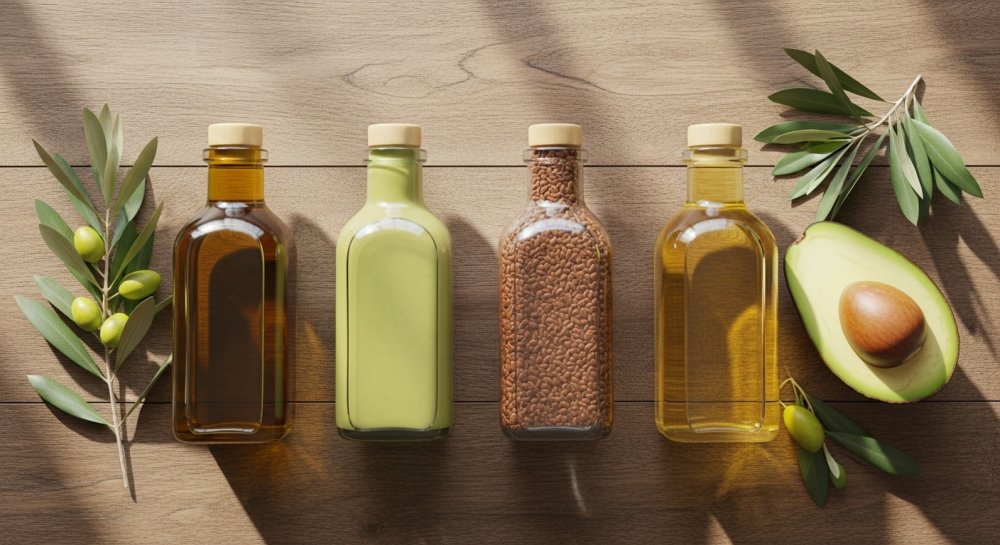
Extra virgin olive oil stands out as a top choice for those managing cholesterol. This Mediterranean staple contains high levels of monounsaturated fats, which research shows can reduce LDL (low-density lipoprotein) cholesterol—often called “bad” cholesterol—while maintaining or even increasing HDL (high-density lipoprotein) cholesterol, the “good” kind that helps remove excess cholesterol from the bloodstream.
Beyond its favorable fat profile, extra virgin olive oil delivers additional health compounds called polyphenols. These plant-based antioxidants provide anti-inflammatory benefits and may protect against oxidative stress that contributes to heart disease.
Avocado oil offers similar benefits, with a high concentration of monounsaturated fats and a mild flavor that works well in various cooking applications. Its high smoke point makes it particularly suitable for higher-temperature cooking methods like sautéing and roasting.
For those seeking omega-3 fatty acids, certain oils provide an accessible plant-based source. Flaxseed oil and walnut oil contain alpha-linolenic acid (ALA), an omega-3 fat that supports heart health.
These oils work best when used in dressings or drizzled over finished dishes rather than heated, as high temperatures can damage their delicate fats.
“Omega-3 fatty acids help reduce triglycerides and support overall cardiovascular function,” notes Johnson. “While fatty fish remains the best source of omega-3s, plant-based oils can contribute to your overall intake.”
Canola oil represents a budget-friendly option that still delivers heart-healthy benefits. With low saturated fat content and a good balance of monounsaturated and polyunsaturated fats, canola oil serves as a practical everyday cooking oil. Its neutral flavor and moderate smoke point make it versatile for baking, sautéing, and general cooking needs.
Sesame oil, particularly the unrefined varieties, contains beneficial compounds including sesamol and sesamin that may help reduce cholesterol absorption in the intestines. While typically used in smaller quantities as a finishing oil due to its strong flavor, it can be part of a cholesterol-conscious cooking strategy.
On the flip side, certain oils deserve limited use for those managing cholesterol. Coconut oil, despite its popularity in some wellness circles, contains high levels of saturated fat—about 90% of its total fat content. While some research suggests the saturated fats in coconut oil may behave differently than those in animal products, most health organizations still recommend using it sparingly.
Palm oil similarly contains significant saturated fat, though less than coconut oil. Partially hydrogenated oils, which contain trans fats, should be avoided entirely as they raise LDL cholesterol while lowering HDL cholesterol.
“The goal isn’t to eliminate all fat from your diet,” Johnson emphasizes. “It’s about choosing fats that support your health goals. For most people, that means prioritizing oils high in unsaturated fats.”
Practical implementation matters as much as oil selection. Even healthy oils contain about 120 calories per tablespoon, so portion awareness remains important for weight management—itself a factor in cholesterol levels. Using measuring spoons rather than pouring freely helps control portions.
Storage also affects oil quality. Heat, light, and oxygen can cause oils to oxidize and develop off-flavors. Storing oils in cool, dark places and using them within their recommended timeframe preserves both flavor and nutritional benefits.
For cooking methods, matching the oil to the temperature matters. High smoke point oils like avocado and refined olive oil work better for high-heat cooking, while delicate oils like flaxseed and walnut oil shine in cold applications.
Regular olive oil or canola oil handles medium-heat cooking well.
The American Heart Association recommends that saturated fats comprise no more than 5-6% of total daily calories for those managing high cholesterol. For someone consuming 2,000 calories daily, that translates to about 13 grams of saturated fat—roughly one tablespoon of butter or coconut oil. Choosing unsaturated oils for most cooking needs helps stay within these guidelines while adding flavor and nutritional value to meals.
Beyond individual oil choices, overall dietary patterns matter most. The Mediterranean diet, which emphasizes olive oil alongside vegetables, whole grains, fish, and moderate amounts of wine, has demonstrated consistent benefits for heart health and cholesterol management in numerous studies. Similarly, the DASH (Dietary Approaches to Stop Hypertension) diet incorporates healthy fats as part of a broader nutritional strategy.
While dietary changes can significantly impact cholesterol levels, they work best as part of a comprehensive approach. Regular physical activity, maintaining a healthy weight, not smoking, and managing stress all contribute to cardiovascular health. Some individuals with genetic predispositions or significantly elevated cholesterol may also need medication alongside lifestyle modifications.
“Food is powerful medicine, but it’s one tool in the toolbox,” Johnson reminds us. “Work with your healthcare provider to develop a personalized plan that addresses your specific risk factors and health goals.”
For those ready to make a change, starting small often leads to sustainable success. Replacing butter with olive oil in salad dressings, using avocado oil instead of vegetable shortening for roasting vegetables, or choosing canola oil over butter for baking can gradually shift your fat intake toward a more heart-healthy profile.
Checking cholesterol levels regularly helps track whether dietary changes are making a difference. Most adults should have their cholesterol checked every four to six years, though those with risk factors may need more frequent monitoring. Understanding your numbers—total cholesterol, LDL, HDL, and triglycerides—provides concrete feedback on how lifestyle changes are working.
The evidence supporting unsaturated fats for cholesterol management continues to grow stronger. While no single food or oil serves as a magic bullet, choosing the right cooking oils represents a practical, evidence-based strategy that fits naturally into daily life. For the millions of Americans managing their cholesterol, this simple kitchen swap offers a tangible way to support long-term heart health.
