Nutrition
Three Dietitians Name the Single Best Drink for Managing Blood Pressure

Health Points
- Hibiscus tea may help lower blood pressure naturally through antioxidant and anti-inflammatory properties
- Regular consumption of 1-2 cups daily could reduce systolic blood pressure by several points
- This caffeine-free option works alongside, not as a replacement for, medication and lifestyle changes
For millions of Americans managing high blood pressure, the search for natural ways to support heart health never stops. While medication and lifestyle changes remain essential, nutrition experts say one simple beverage could offer meaningful support.
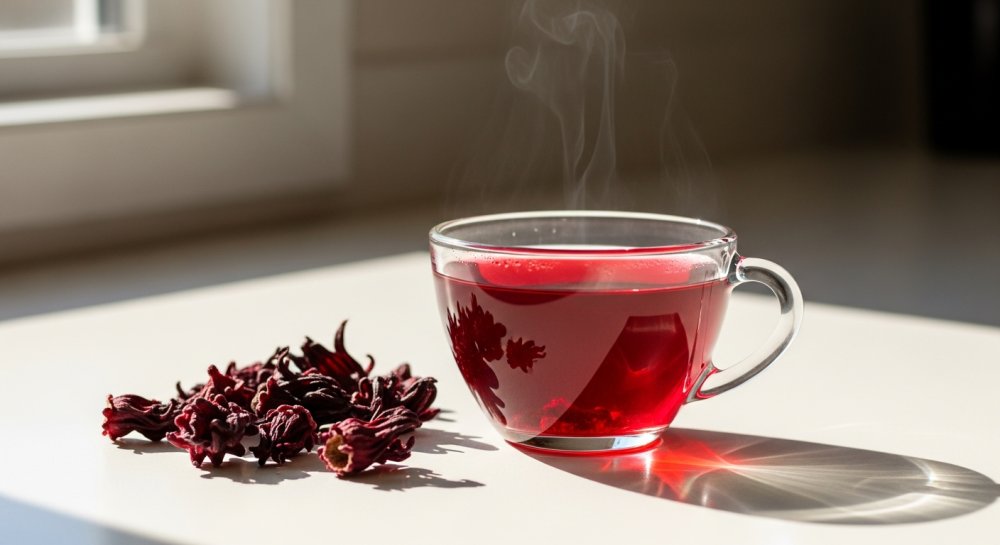
Three registered dietitians unanimously pointed to the same drink when asked what could help manage blood pressure levels: hibiscus tea. This ruby-red herbal tea, made from the dried petals of the Hibiscus sabdariffa flower, has been used in traditional medicine for centuries and is now gaining recognition in modern nutritional science.
“Hibiscus tea contains powerful antioxidants called anthocyanins, which give the tea its distinctive red color and may help relax blood vessels,” explains registered dietitian Sarah Thompson, who specializes in cardiovascular nutrition. These natural compounds appear to work by improving the function of the endothelium, the inner lining of blood vessels.
Research supports this traditional wisdom. Multiple studies have shown that regular consumption of hibiscus tea may help reduce both systolic and diastolic blood pressure. One analysis of several clinical trials found that drinking hibiscus tea daily could lower systolic blood pressure by an average of 7.5 points and diastolic pressure by 3.5 points.
“While those numbers might seem modest, even small reductions in blood pressure can significantly decrease the risk of heart attack and stroke,” notes registered dietitian nutritionist Michelle Rodriguez.
The mechanism behind hibiscus tea’s benefits involves several pathways. Beyond the anthocyanins, hibiscus contains flavonoids and other polyphenols that may help reduce inflammation throughout the cardiovascular system. These compounds may also act as natural ACE inhibitors, similar to certain blood pressure medications, helping blood vessels relax and widen.
Registered dietitian Karen Williams emphasizes that timing and consistency matter. “To see potential benefits, you need to drink it regularly—typically one to two cups per day. It’s not a quick fix, but rather a supportive addition to an overall heart-healthy lifestyle.”
Unlike black or green tea, hibiscus tea is naturally caffeine-free, making it an excellent choice for those monitoring their caffeine intake. It has a tart, cranberry-like flavor that many people enjoy both hot and iced. Some prefer adding a touch of honey or stevia to balance the natural tartness.
The tea is widely available at grocery stores and health food markets, sold both as loose-leaf tea and in convenient tea bags. When selecting hibiscus tea, experts recommend choosing organic varieties when possible and checking that hibiscus is the primary ingredient rather than just one component in a blend.
Preparation is simple: steep one to two teaspoons of dried hibiscus flowers or one tea bag in hot water for five to ten minutes. The longer steeping time allows more beneficial compounds to infuse into the water. The tea can be enjoyed immediately or chilled for a refreshing iced version.
“I often recommend hibiscus tea to my clients as part of a comprehensive approach to blood pressure management,” Thompson says. “It’s safe, affordable, and actually enjoyable to drink.”
While hibiscus tea shows promise, the dietitians unanimously stress that it should complement, not replace, prescribed medications or doctor-recommended lifestyle changes. Anyone taking blood pressure medication should consult their healthcare provider before adding hibiscus tea to their routine, as it could potentially enhance the effects of certain medications.
The beverage may not be suitable for everyone. Pregnant women should avoid hibiscus tea, as some research suggests it could affect hormone levels. People preparing for surgery should also discontinue use at least two weeks beforehand, as hibiscus may affect blood sugar control during and after surgical procedures.
Beyond blood pressure benefits, hibiscus tea offers additional health advantages. It’s rich in vitamin C and other antioxidants that support immune function and may help protect cells from oxidative stress. Some preliminary research also suggests potential benefits for cholesterol levels and liver health, though more studies are needed.
For those managing blood pressure, the dietitians recommend combining hibiscus tea with other proven strategies: maintaining a healthy weight, following a diet rich in fruits and vegetables, limiting sodium intake, exercising regularly, managing stress, and getting adequate sleep. The DASH (Dietary Approaches to Stop Hypertension) eating plan remains the gold standard dietary approach.
Rodriguez emphasizes the importance of consistency over perfection. “Making hibiscus tea part of your daily routine—perhaps as a morning ritual or an afternoon break—makes it easier to stick with long-term. The key is finding sustainable habits that support your health goals.”
As research continues to explore the connection between diet and cardiovascular health, hibiscus tea stands out as an evidence-backed option that’s both accessible and pleasant to consume. For the 47% of American adults living with high blood pressure, every tool in the wellness toolbox counts.
While no single food or beverage can replace medical care, incorporating hibiscus tea alongside prescribed treatments and healthy lifestyle choices may offer additional support for managing blood pressure—one soothing cup at a time.
