Nutrition
The Surprising Foods That Trigger Uncomfortable Bloating After 40

Health Points
- Common healthy foods like beans, dairy, and cruciferous vegetables can trigger bloating due to specific compounds that become harder to digest with age
- Carbonated drinks and artificial sweeteners create excess gas in the digestive system, with effects becoming more pronounced after 40
- Strategic food preparation methods and gradual portion adjustments can help reduce bloating while maintaining nutritional benefits
That uncomfortable feeling of fullness and gas after meals might not be due to overeating—it could be the specific foods on your plate. As our bodies age, certain nutritious foods that once caused no problems can begin triggering digestive discomfort.
Understanding which foods commonly cause bloating can help you make informed choices without sacrificing nutrition. The culprits often surprise people, as many are considered healthy staples in a balanced diet.
Beans and Legumes
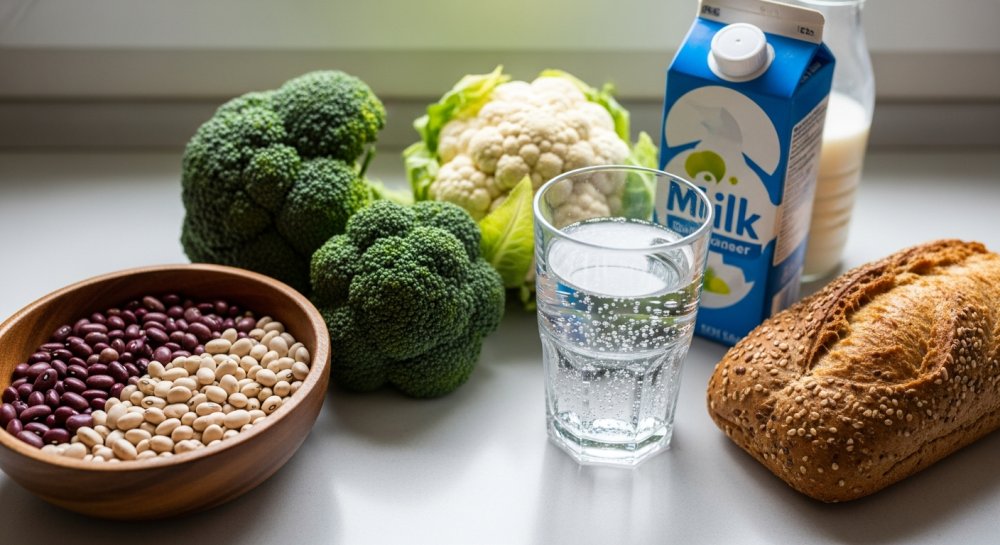
Beans, lentils, and chickpeas contain complex sugars called oligosaccharides that the human digestive system struggles to break down completely. When these sugars reach the large intestine, bacteria ferment them, producing gas as a byproduct.
The fiber content in legumes, while beneficial for heart health and regularity, can also contribute to bloating, especially when consumed in large quantities. Starting with smaller portions and gradually increasing intake allows your digestive system to adapt.
Dairy Products
Lactose intolerance becomes increasingly common with age, as the body naturally produces less lactase—the enzyme needed to digest milk sugar. This can lead to significant bloating, gas, and discomfort after consuming milk, cheese, or ice cream.
Even those who previously tolerated dairy well may notice changes in their 40s and beyond. Lactose-free alternatives or fermented dairy products like yogurt and kefir often prove easier to digest.
Cruciferous Vegetables
Broccoli, cauliflower, Brussels sprouts, and cabbage are nutritional powerhouses packed with vitamins and cancer-fighting compounds. However, they also contain raffinose, another complex sugar that causes gas production during digestion.
The high fiber content in these vegetables adds to the bloating effect. Cooking these vegetables thoroughly can help break down some of the problematic compounds, making them gentler on the digestive system.
Carbonated Beverages
The bubbles in soda, sparkling water, and beer introduce carbon dioxide gas directly into your digestive tract. This trapped gas leads to bloating and the need to burp or pass gas.
Beyond the carbonation itself, many sodas contain high-fructose corn syrup or artificial sweeteners, which compound the bloating effect. Switching to still water with lemon or herbal tea can eliminate this source of digestive discomfort.
Artificial Sweeteners
Sugar alcohols like sorbitol, mannitol, and xylitol are commonly found in sugar-free gum, candies, and diet foods. These sweeteners are not fully absorbed in the small intestine, and when they reach the colon, they ferment and produce gas.
Many people don’t realize these ingredients are present in products marketed as healthier alternatives. Reading labels carefully and limiting consumption of sugar-free processed foods can significantly reduce bloating.
Whole Grains
While whole grains provide essential nutrients and fiber for digestive health, the sudden introduction of high-fiber foods like whole wheat, brown rice, and oats can overwhelm the digestive system. The body needs time to adjust to processing larger amounts of fiber.
Drinking plenty of water alongside fiber-rich foods helps them move through the digestive tract more smoothly. Gradually transitioning from refined to whole grains gives your system time to adapt without causing excessive gas.
Managing Bloating While Maintaining Nutrition
Eliminating nutritious foods entirely isn’t necessary or advisable. Instead, focus on preparation methods that reduce bloating potential—soaking beans before cooking, choosing fermented vegetables, and steaming rather than eating raw cruciferous vegetables.
Keeping a food diary can help identify your personal triggers, as individual tolerance varies widely. Eating slowly, chewing thoroughly, and avoiding large meals in favor of smaller, more frequent portions also helps minimize digestive distress.
If bloating persists despite dietary adjustments, consulting with a healthcare provider can rule out underlying conditions like irritable bowel syndrome or small intestinal bacterial overgrowth. These issues become more common with age and may require targeted treatment beyond simple dietary changes.
