Nutrition
The Longevity Diet Secret Hiding in Your Kitchen

Health Points
- Blue Zone and Mediterranean diets share 80% of their core principles, emphasizing whole plant foods, healthy fats, and minimal processed items
- Both eating patterns reduce chronic disease risk and may extend lifespan by up to a decade when combined with lifestyle factors
- The key difference lies in flexibility: Mediterranean allows moderate portions of all food groups while Blue Zone approaches vary by region
Two eating patterns have captured the attention of longevity researchers worldwide, and the good news is they’re more similar than different. The Blue Zone diet and the Mediterranean diet both promise not just added years to your life, but added life to your years—and the science backs up these claims.
Both approaches emerged from studying populations with extraordinary longevity. The Mediterranean diet draws from coastal communities in Greece, Italy, and Spain, while Blue Zones represent five regions globally where people routinely live past 100: Okinawa, Japan; Sardinia, Italy; Nicoya, Costa Rica; Icaria, Greece; and Loma Linda, California.
“These diets are plant-forward, emphasize whole foods, and limit processed ingredients,” explains registered dietitian Samantha Cassetty, MS, RD. “The overlap is significant.”
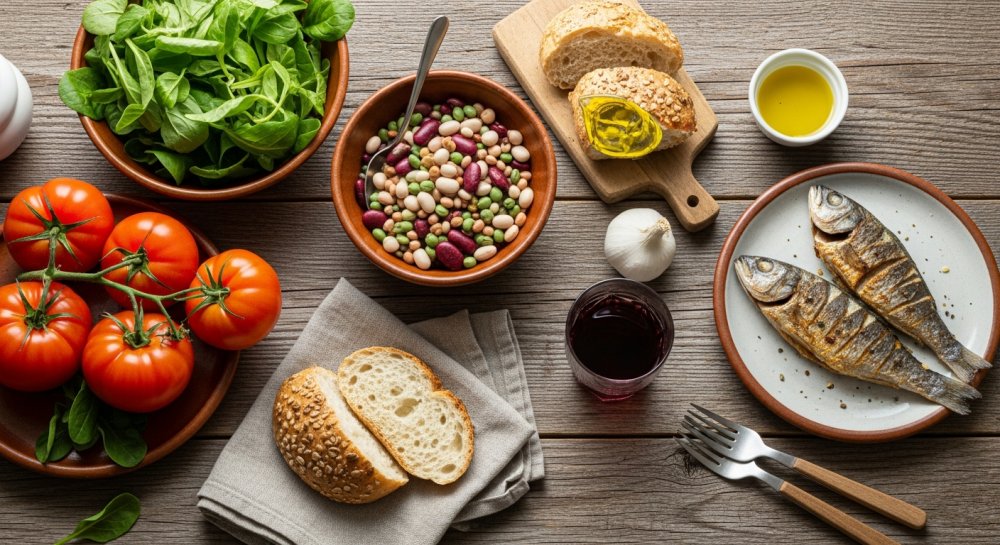
At their foundation, both eating patterns prioritize vegetables, fruits, whole grains, legumes, nuts, and olive oil. They minimize red meat, processed foods, and added sugars. Fish and poultry appear in moderation, and both traditions view meals as social experiences rather than solitary fuel stops.
The health benefits extend far beyond the dinner table. Research links both diets to reduced risk of heart disease, type 2 diabetes, certain cancers, and cognitive decline. A 2023 study in JAMA Internal Medicine found that adherence to a Mediterranean-style diet was associated with a 23% lower risk of all-cause mortality.
“What we’re seeing is that these dietary patterns work synergistically with lifestyle factors,” notes Dr. Michael Greger, physician and author. “It’s not just what you eat, but how you live.”
The Mediterranean diet offers more structured guidelines, developed by nutrition scientists in the 1990s based on traditional eating patterns. It explicitly recommends daily servings of fruits, vegetables, whole grains, and healthy fats, with fish twice weekly and limited red meat. Wine in moderation is optional but traditional.
Blue Zone eating varies by location. Okinawans emphasize sweet potatoes and green vegetables; Sardinians include pecorino cheese and red wine; Nicoyans favor corn, beans, and squash. The common thread is predominantly plant-based nutrition with occasional animal products.
“Blue Zones aren’t prescriptive diets—they’re observational patterns,” explains nutritionist Dawn Jackson Blatner, RDN. “The Mediterranean diet gives you a clearer roadmap.”
Both approaches reject the restriction mentality of modern fad diets. There are no forbidden foods, no calorie counting, no macronutrient ratios to obsess over. Instead, they emphasize abundance: fill your plate with colorful vegetables, drizzle quality olive oil, savor meals with loved ones.
The longevity benefits appear particularly robust when diet combines with other lifestyle factors. Blue Zone residents walk regularly, maintain strong social connections, have clear life purpose, and manage stress effectively. Mediterranean populations share similar patterns of daily movement and communal eating.
For Americans over 40 looking to adopt either pattern, the transition doesn’t require perfection. Start by adding more plants to your plate rather than eliminating foods. Swap refined grains for whole grains. Replace butter with olive oil. Make one meal fully plant-based each day.
“Small, sustainable changes create lasting results,” says Cassetty. “You don’t need to move to Sardinia to benefit from these principles.”
The financial accessibility varies. While both diets can be affordable—beans, lentils, seasonal vegetables, and whole grains are budget-friendly staples—quality olive oil and fresh fish can strain grocery budgets. Frozen vegetables and canned legumes offer economical alternatives without sacrificing nutrition.
Cultural adaptability represents another strength. The core principles translate across cuisines and food traditions. Mexican, Asian, African, and Middle Eastern cuisines all feature plant-forward dishes rich in legumes, vegetables, and healthy fats that align with these longevity patterns.
The social component distinguishes both approaches from typical diet culture. Meals are celebrations, not chores. Food connects people across generations. This communal aspect may contribute as much to longevity as the nutritional composition itself.
Research continues to validate these time-tested patterns. A 2024 study found that adults who closely followed Mediterranean dietary principles showed slower biological aging markers compared to peers eating typical Western diets. The benefits appeared regardless of when participants adopted the eating pattern.
“It’s never too late to start,” emphasizes Dr. Greger. “Your body responds positively to better nutrition at any age.”
Neither diet requires special products, supplements, or expensive meal plans. The ingredients have sustained populations for centuries, available at any grocery store or farmers market. The investment is time and intention rather than money.
The bottom line: both the Blue Zone and Mediterranean approaches offer proven paths to healthier aging. Choose based on personal preference, cultural background, and practical considerations. The best longevity diet is the one you’ll actually enjoy and sustain for life—and both of these time-tested patterns deliver on that promise.
