Nutrition
Six Simple Changes That Could Boost Your Energy Levels Naturally

Health Points
- Iron deficiency affects nearly 10 million Americans, with women and vegetarians at highest risk
- Pairing iron-rich foods with vitamin C can double your body’s absorption rate
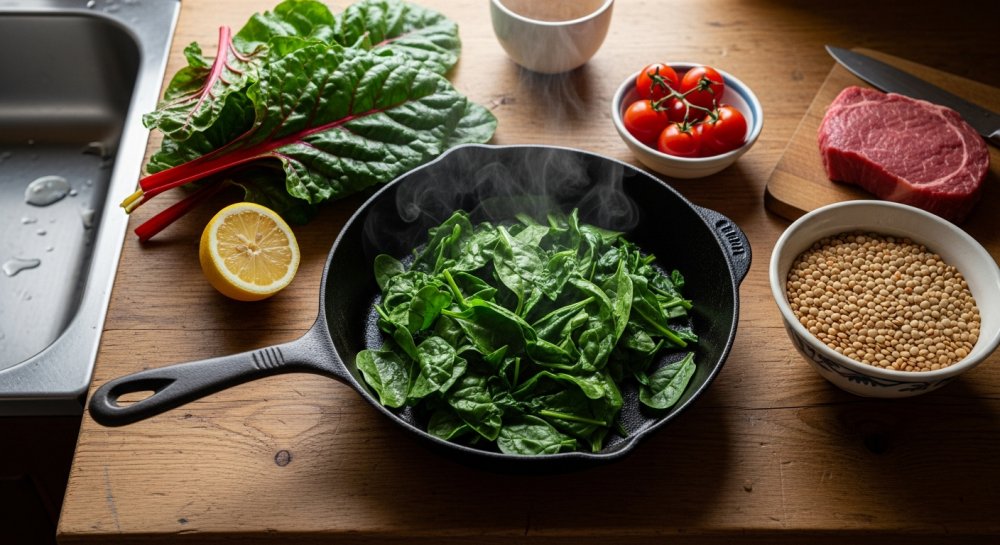
- Simple dietary tweaks like cooking in cast iron or adding spinach to meals can significantly increase iron intake
For millions of Americans over 40, unexplained fatigue has become an unwelcome companion. The culprit may be hiding in plain sight—on your dinner plate.
Iron deficiency represents one of the most common nutritional shortfalls in the United States, affecting approximately 10 million people. This essential mineral plays a critical role in transporting oxygen throughout your body, and without adequate levels, even routine tasks can leave you feeling drained.
“Iron is absolutely fundamental to energy production in every cell of your body,” explains registered dietitian Sarah Thompson, who specializes in nutrition for adults over 40. “When iron levels drop, it’s like trying to run your car on half a tank—everything just slows down.”
The good news? Boosting your iron intake doesn’t require a complete dietary overhaul. Strategic, simple changes to your everyday eating habits can make a measurable difference in how you feel.
Understanding Iron Absorption
Not all iron enters your body the same way. Heme iron, found in animal products like beef, chicken, and fish, is readily absorbed by your digestive system. Plant-based non-heme iron from sources like beans, lentils, and leafy greens requires a bit more help.
This distinction matters particularly for the growing number of Americans embracing plant-forward diets. Women, who lose iron monthly through menstruation until menopause, face additional challenges in maintaining adequate levels.
Six Practical Strategies for Increasing Iron
1. Pair Iron-Rich Foods With Vitamin C
One of the simplest ways to enhance iron absorption is combining iron-rich foods with vitamin C sources during the same meal. Squeeze lemon juice over your spinach salad, add tomatoes to your lentil soup, or enjoy strawberries with your fortified cereal.
“The vitamin C acts like a key, unlocking the iron and making it available for your body to use,” Thompson notes. “This combination can double or even triple absorption rates for plant-based iron sources.”
2. Cook With Cast Iron Cookware
Your grandmother’s cast iron skillet offers more than just even heating—it actually transfers small amounts of iron into your food during cooking. This effect is particularly pronounced with acidic foods like tomato sauce or dishes with longer cooking times.
Research has shown that cooking tomato sauce in cast iron can increase its iron content by as much as 30%. For families preparing meals regularly, this passive fortification adds up over time.
3. Choose Fortified Foods Strategically
Many breakfast cereals, breads, and grain products are fortified with iron. Reading nutrition labels helps you identify products that provide 20% or more of your daily iron needs per serving. These fortified options can bridge the gap between what you’re currently consuming and what your body requires.
Instant oatmeal, cream of wheat, and many whole grain breads offer substantial iron content without changing your morning routine.
4. Add Dark Leafy Greens to Every Meal
Spinach, kale, and Swiss chard pack impressive iron content into relatively small servings. The key is consistency—incorporating these vegetables into your daily eating pattern rather than occasionally.
Toss a handful of spinach into your morning eggs, blend kale into a fruit smoothie, or layer Swiss chard into your sandwich. These small additions accumulate throughout the day.
5. Time Your Coffee and Tea Intake
Coffee and tea contain compounds called tannins that can interfere with iron absorption when consumed with meals. This doesn’t mean eliminating your favorite beverages—simply timing them strategically.
“I recommend enjoying coffee or tea at least an hour before or after iron-rich meals,” Thompson suggests. “This simple timing adjustment prevents the tannins from binding to the iron in your digestive tract.”
6. Include Lean Red Meat Weekly
While plant-based eating offers numerous health benefits, lean red meat remains one of the most bioavailable sources of iron. A modest 3-4 ounce serving of beef or lamb once or twice weekly can significantly support iron levels.
Grass-fed beef, bison, and lamb provide heme iron alongside other nutrients like vitamin B12 and zinc that support overall wellness as we age.
Recognizing Iron Deficiency
Beyond fatigue, iron deficiency can manifest through brittle nails, pale skin, frequent infections, difficulty concentrating, and unusual cravings for non-food items like ice or dirt. These symptoms develop gradually, making them easy to dismiss as simply “getting older.”
“Too many people, especially women over 40, accept exhaustion as their new normal,” Thompson observes. “But normal aging shouldn’t leave you too tired to enjoy life. That’s often a sign something needs attention.”
When to Seek Professional Guidance
While dietary changes can address mild iron insufficiency, significant deficiency requires medical intervention. A simple blood test can measure both your iron levels and ferritin, the protein that stores iron in your body.
Certain health conditions, including celiac disease, inflammatory bowel disease, and kidney disease, can impair iron absorption regardless of dietary intake. Medications, particularly proton pump inhibitors and antacids, may also interfere with iron utilization.
“I always recommend having your levels checked before starting any supplementation,” Thompson emphasizes. “Too much iron can be just as problematic as too little, potentially causing damage to organs over time.”
Healthcare providers can determine appropriate supplementation doses if dietary measures prove insufficient and monitor your progress through follow-up testing.
Building Sustainable Habits
The most effective nutritional changes are those you can maintain long-term. Rather than attempting all six strategies simultaneously, consider implementing one or two changes this week, then gradually adding others as they become routine.
Track your energy levels informally as you make these adjustments. Many people notice subtle improvements within two to three weeks, with more significant changes becoming apparent after consistent implementation over several months.
Your body’s iron needs don’t require perfection—just consistent attention to balanced, nutrient-dense eating patterns that honor both tradition and science. Small steps taken today can translate into noticeably better energy, clearer thinking, and improved vitality for years to come.
