Health
The Hidden Vein Condition Doctors Say Women Often Miss

Health Points
- May-Thurner syndrome occurs when the right iliac artery compresses the left iliac vein, restricting blood flow from the left leg
- Women are affected 2-5 times more often than men, with peak incidence during childbearing years
- Early recognition and treatment can prevent serious complications including deep vein thrombosis and pulmonary embolism
A woman experiencing persistent leg swelling, pain, or varicose veins on one side may be dealing with more than just typical circulation issues. May-Thurner syndrome, a vascular condition that predominantly affects women, occurs when a key artery in the pelvis compresses a major vein, restricting blood flow from the leg back to the heart.
The condition develops in the pelvis, where the right iliac artery crosses over the left iliac vein. In May-Thurner syndrome, this anatomical arrangement creates problematic pressure on the vein. The compression reduces blood flow and can lead to blood pooling in the left leg.
Dr. Mark Garcia, a vascular specialist at Cedars-Sinai Medical Center, explains the gender disparity in diagnosis.
“Women between 20 and 50 are at highest risk, and we believe hormonal factors, pregnancy, and anatomical differences all play a role in why this condition shows up more frequently in women than men.”
Symptoms often appear gradually and may include swelling in the left leg, aching or heaviness after standing, visible varicose veins on the left side, or skin discoloration. Some women experience no symptoms until a blood clot forms, making awareness of risk factors particularly important.
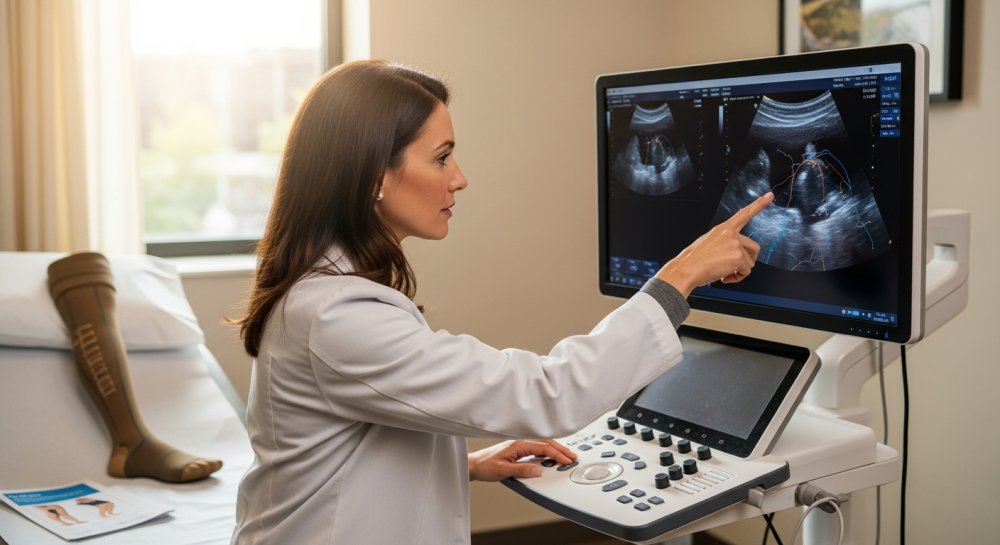
The diagnostic process typically begins with an ultrasound to visualize blood flow in the leg veins. If May-Thurner syndrome is suspected, doctors may order additional imaging such as CT venography or magnetic resonance venography to confirm the diagnosis and assess the severity of compression.
Dr. Jennifer Walsh, a cardiovascular physician at Mayo Clinic, emphasizes the importance of accurate diagnosis.
“Many women are told their leg swelling is just from standing too long or weight gain, but persistent one-sided symptoms deserve investigation. May-Thurner syndrome can lead to deep vein thrombosis if left untreated.”
Treatment options vary based on symptom severity and whether a blood clot has formed. Conservative management includes compression stockings, blood thinners, and lifestyle modifications to improve circulation. For more severe cases, interventional procedures may be necessary.
The most common intervention involves placing a stent in the compressed vein to keep it open and restore normal blood flow. This minimally invasive procedure has shown excellent long-term results, with most patients experiencing significant symptom relief.
Women with May-Thurner syndrome who become pregnant require careful monitoring, as pregnancy increases the risk of blood clots. Doctors typically recommend compression therapy and sometimes anticoagulation medication to prevent complications during and after pregnancy.
Risk factors include prolonged sitting or standing, oral contraceptive use, pregnancy, obesity, and a family history of blood clots. Women who have had multiple pregnancies or who take hormone replacement therapy face elevated risk.
Prevention strategies focus on maintaining healthy circulation through regular movement, staying hydrated, maintaining a healthy weight, and avoiding prolonged periods of immobility. Women with known risk factors should discuss screening options with their healthcare provider.
Dr. Sarah Mitchell, a vascular surgeon at Cleveland Clinic, recommends proactive health management.
“If you notice persistent swelling, pain, or heaviness in one leg that doesn’t improve with rest and elevation, don’t dismiss it. Early detection of May-Thurner syndrome can prevent serious complications and improve quality of life significantly.”
The outlook for women diagnosed with May-Thurner syndrome is generally positive with appropriate treatment. Most patients experience substantial improvement in symptoms and can resume normal activities without long-term limitations.
Women concerned about their risk should maintain open communication with their healthcare providers, especially if they experience unexplained leg symptoms or have multiple risk factors. Regular health screenings and attention to vascular health become increasingly important during the childbearing years and beyond.
