Nutrition
The Simple Nutrition Strategy That’s Changing How Americans Over 40 Eat

Health Points
- Macronutrients—protein, carbohydrates, and fats—provide your body with energy and support essential functions like muscle maintenance and hormone production
- Adults over 40 may benefit from adjusting macro ratios to support changing metabolism, with increased protein helping preserve muscle mass
- Tracking macros offers a flexible, personalized approach to nutrition that doesn’t require eliminating entire food groups
While calorie counting has dominated diet conversations for decades, a more nuanced approach to eating is gaining traction among health-conscious Americans: tracking macronutrients. This method focuses on the three main nutrients that make up your food—protein, carbohydrates, and fats—rather than simply counting calories.
Understanding macronutrients, or “macros,” can help you make informed choices about what you’re eating. Each macronutrient serves specific purposes in your body and provides different amounts of energy per gram.
The Three Essential Macronutrients
Protein, the building block of muscle, provides four calories per gram. It’s crucial for maintaining muscle mass, supporting immune function, and producing hormones and enzymes. As we age, adequate protein intake becomes increasingly important for preserving strength and mobility.
Carbohydrates, also providing four calories per gram, serve as your body’s primary fuel source. Despite their controversial reputation in recent diet trends, carbohydrates are essential for brain function and physical energy. Complex carbohydrates from whole grains, vegetables, and fruits also provide valuable fiber for digestive health.
Fats, the most calorie-dense macronutrient at nine calories per gram, play vital roles in hormone production, nutrient absorption, and cell structure. Healthy fats from sources like olive oil, avocados, and fatty fish support cardiovascular health and cognitive function.
Why Macro Tracking Matters After 40
As metabolism naturally slows with age, the composition of your diet becomes more important than ever. Research suggests that adults over 40 may benefit from higher protein intake—ranging from 25 to 30 percent of total calories—to help maintain muscle mass and bone density.
The typical American diet often falls short on protein while overemphasizing refined carbohydrates. Shifting these ratios can support better energy levels, improved body composition, and sustained health as you age.
Getting Started With Macro Tracking
Unlike restrictive diets that eliminate entire food groups, macro tracking offers flexibility within structure. You can still enjoy the foods you love while ensuring your body receives adequate nutrition from all three macronutrient categories.
A common starting point for balanced eating divides daily calories into approximately 40 percent carbohydrates, 30 percent protein, and 30 percent fat. However, individual needs vary based on activity level, health goals, and metabolic factors.
Many people find success using smartphone apps that calculate macro targets based on personal information and automatically track macronutrients from food entries. These tools remove much of the guesswork from the process.
Practical Application for Everyday Eating
Rather than obsessing over hitting exact numbers daily, think of macro tracking as developing awareness about your eating patterns. You might discover you’re consistently low on protein at breakfast or that your afternoon snacks are heavy on fats with little nutritional benefit.
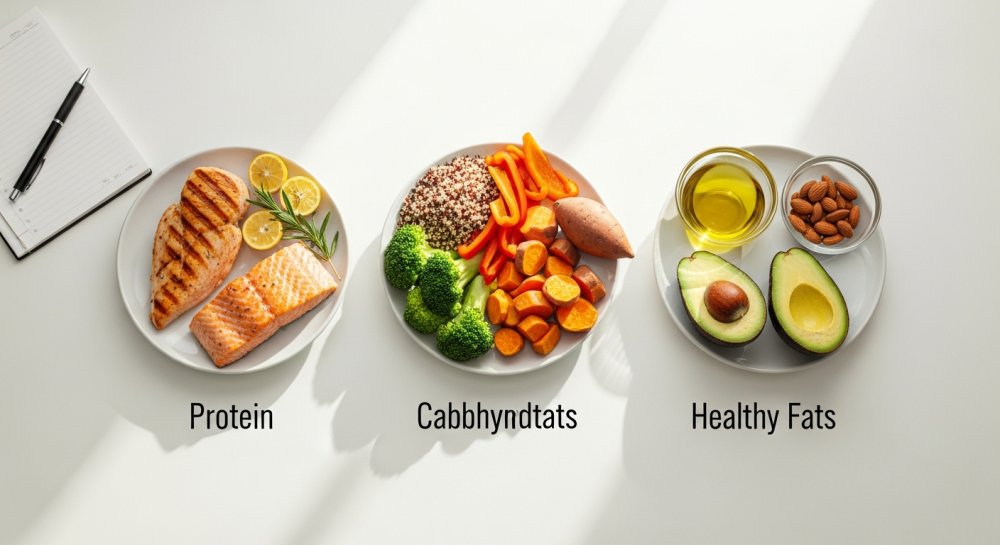
Focus on whole, minimally processed foods that naturally provide balanced macronutrients. A meal containing grilled chicken (protein), roasted sweet potatoes (carbohydrates), and a side salad with olive oil dressing (healthy fats) offers all three macros in healthy proportions.
For those new to this approach, start by simply observing your current eating habits for a week before making changes. Understanding your baseline helps you identify realistic adjustments rather than attempting dramatic overhauls that rarely last.
The Bottom Line
Macro tracking represents a middle ground between rigid dieting and unstructured eating. By understanding how protein, carbohydrates, and fats fuel your body differently, you can make intentional choices that support your health goals without eliminating foods you enjoy.
This approach aligns with traditional American values of personal responsibility and self-improvement. Rather than relying on restrictive diet plans, you develop knowledge and skills for lifelong healthy eating based on your individual needs and preferences.
