Health
The Surprising Diet That Naturally Lowers Blood Pressure Without Medication

Health Points
- The DASH diet was specifically designed by scientists to combat high blood pressure through food choices rather than medication
- Reducing sodium to 1,500 mg daily while increasing potassium-rich foods can lower blood pressure as effectively as some prescription drugs
- This eating plan emphasizes whole grains, fruits, vegetables, and lean proteins while limiting processed foods and added sugars
Nearly half of American adults live with high blood pressure, a condition that significantly increases the risk of heart disease and stroke. While medication remains a common treatment approach, mounting evidence shows that dietary changes can deliver powerful results—sometimes rivaling pharmaceutical interventions.
The Dietary Approaches to Stop Hypertension, known as DASH, has emerged as the gold standard for blood pressure management through nutrition. Developed by researchers funded by the National Institutes of Health, this eating pattern was specifically engineered to address cardiovascular health without requiring drastic lifestyle overhauls.
Unlike trendy elimination diets that cut entire food groups, the DASH approach focuses on abundance rather than restriction. The framework emphasizes nutrient-dense whole foods that naturally support healthy blood pressure levels.
At its core, the DASH diet prioritizes foods rich in potassium, calcium, and magnesium—three minerals that work together to regulate blood pressure. Fruits and vegetables form the foundation, with recommendations for 4-5 servings of each daily. Whole grains replace refined carbohydrates, providing fiber that supports heart health and stable blood sugar levels.
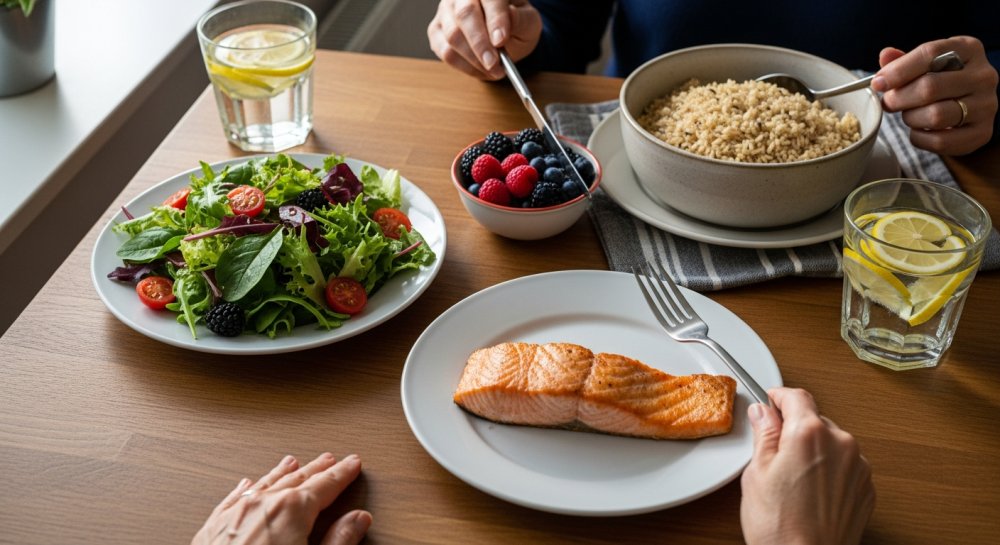
Lean proteins, including poultry, fish, and plant-based options like beans and lentils, round out the daily menu. Low-fat dairy products contribute calcium without excess saturated fat. Nuts, seeds, and healthy oils appear in moderation, providing essential fatty acids that support cardiovascular function.
The sodium restriction component sets DASH apart from typical American eating patterns. Standard DASH guidelines recommend limiting sodium to 2,300 mg per day—roughly one teaspoon of salt. The lower-sodium version drops that threshold to 1,500 mg, which research shows can produce even more dramatic blood pressure reductions.
For context, the average American consumes more than 3,400 mg of sodium daily, primarily from processed and restaurant foods rather than the salt shaker. This excess sodium causes the body to retain fluid, increasing pressure on blood vessel walls.
Clinical trials have demonstrated impressive results. Study participants following the DASH eating plan experienced blood pressure reductions comparable to those achieved with first-line antihypertensive medications. The effects appeared within just two weeks of starting the diet, with continued improvements over time.
The benefits extend beyond blood pressure alone. DASH followers typically see improvements in cholesterol levels, reduced inflammation markers, and better blood sugar control. The eating pattern has also been linked to lower risks of certain cancers, osteoporosis, and kidney disease.
Transitioning to DASH doesn’t require complicated meal planning or exotic ingredients. Simple swaps make the approach accessible: choosing brown rice over white, snacking on fresh fruit instead of chips, and preparing meals at home where sodium content can be controlled.
Reading nutrition labels becomes essential, as sodium hides in unexpected places. Bread, deli meats, canned soups, and condiments often contain shocking amounts of salt. Rinsing canned vegetables and beans removes up to 40% of their sodium content.
Herbs and spices offer flavorful alternatives to salt. Garlic, ginger, citrus, vinegar, and bold seasonings can make meals satisfying without relying on sodium for taste. This adjustment period typically lasts two to three weeks as taste buds recalibrate.
Potassium-rich foods deserve special attention in the DASH framework. Bananas often get credit for potassium content, but sweet potatoes, spinach, avocados, and white beans actually contain more of this crucial mineral. Potassium helps counteract sodium’s effects by encouraging the kidneys to excrete excess salt.
The diet also addresses portion control without requiring calorie counting. Standard serving sizes guide intake: a serving of meat equals a deck of cards, while a serving of grains fits in a cupped palm. This intuitive approach makes the plan sustainable for long-term adherence.
For individuals taking blood pressure medication, the DASH diet works synergistically with pharmaceutical treatment. Many patients find they can reduce medication dosages under medical supervision as their dietary changes take effect. This combination approach often yields better results than either intervention alone.
The eating pattern accommodates various dietary preferences and restrictions. Vegetarians and vegans can easily follow DASH principles by emphasizing plant proteins. Those with lactose intolerance can choose fortified non-dairy alternatives that provide equivalent calcium and vitamin D.
Cost concerns sometimes discourage people from pursuing healthier eating patterns, but DASH can actually reduce grocery bills. Whole grains, dried beans, and seasonal produce cost less than processed convenience foods and restaurant meals. Batch cooking and meal preparation further stretch food budgets.
The American Heart Association, the National Heart, Lung, and Blood Institute, and the U.S. Department of Agriculture all endorse the DASH eating pattern. It consistently ranks among the top diets in annual reviews by nutrition experts, praised for its scientific backing and practical implementation.
Beyond individual health benefits, widespread adoption of DASH principles could significantly impact public health. Heart disease remains the leading cause of death in America, with high blood pressure contributing to more than 670,000 deaths annually. Dietary interventions offer a powerful preventive tool.
The transition to blood pressure-friendly eating represents an investment in long-term wellness. While results require consistency and patience, the approach offers a sustainable path to cardiovascular health that extends well beyond lowering numbers on a monitor.
