Health
The Hidden Sinus Condition Affecting Millions of Americans Each Year

Health Points
- Sinusitis occurs when the tissue lining your sinuses becomes inflamed or swollen, often triggered by viral infections, allergies, or environmental irritants
- Most sinus infections resolve naturally within 7-10 days, though bacterial cases may require antibiotic treatment prescribed by a healthcare provider
- Simple home remedies like saline nasal rinses, steam inhalation, and staying hydrated can provide significant relief from sinus pressure and congestion
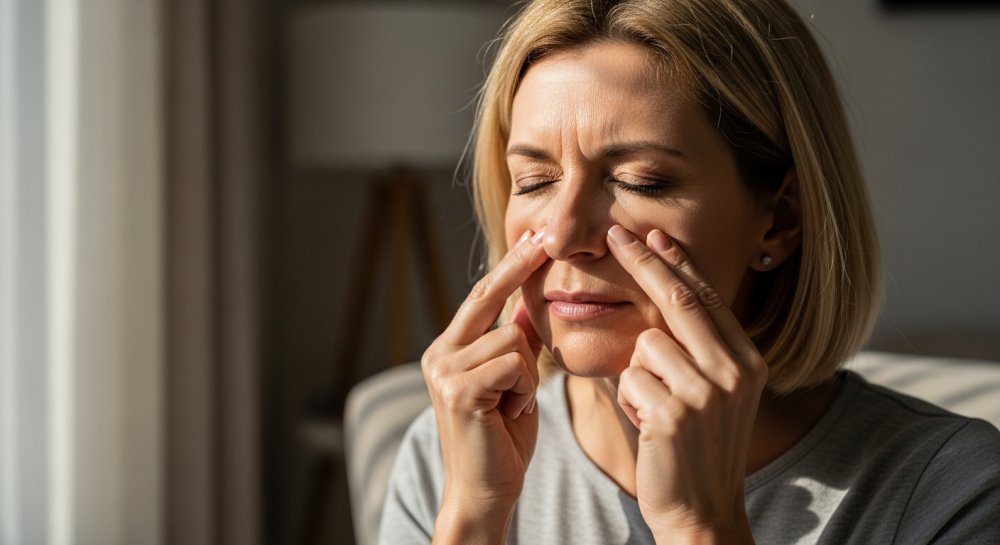
If you’ve ever experienced the throbbing pressure behind your cheeks, the relentless headache, or that stuffy feeling that just won’t quit, you’ve likely dealt with sinusitis. This common condition affects approximately 31 million Americans annually, making it one of the most frequent reasons people seek medical care.
Sinusitis, commonly known as a sinus infection, develops when the hollow cavities around your nose become inflamed and swollen. These air-filled spaces—located in your forehead, cheeks, and between your eyes—normally produce mucus that drains through small channels into your nasal passages. When inflammation blocks these drainage pathways, mucus accumulates, creating the perfect environment for bacterial growth.
Understanding the Root Causes
The majority of sinus infections begin with a simple cold. Viral upper respiratory infections cause the sinus linings to swell, disrupting normal mucus drainage. While most cases stem from viruses, bacterial infections account for a smaller percentage of sinusitis cases—typically developing when symptoms persist beyond 10 days or worsen after initial improvement.
Seasonal allergies rank as another major culprit. When allergens like pollen, dust, or pet dander trigger an immune response, the resulting inflammation can obstruct sinus passages. Environmental factors also play a role: dry air, cigarette smoke, chemical fumes, and even changes in air pressure during flights can irritate sensitive sinus tissues.
Structural issues sometimes contribute to chronic problems. A deviated septum, nasal polyps, or narrow sinus openings can impede proper drainage, making some individuals more susceptible to recurring infections.
Recognizing the Warning Signs
Acute sinusitis typically announces itself with facial pressure or pain, particularly around the eyes, cheeks, nose, and forehead. This discomfort often intensifies when you bend forward or lie down. Thick, discolored nasal discharge—ranging from yellow to green—frequently accompanies the congestion, along with reduced sense of smell and taste.
Additional symptoms include nasal stuffiness, postnasal drip that irritates the throat, cough that may worsen at night, ear pressure, fatigue, and sometimes dental pain in the upper teeth. Fever occasionally develops, especially in bacterial infections.
Healthcare providers distinguish between acute sinusitis (lasting up to four weeks), subacute sinusitis (four to 12 weeks), and chronic sinusitis (persisting beyond 12 weeks). Recurrent acute sinusitis describes four or more episodes within a single year.
Time-Tested Relief Strategies
For most people dealing with viral sinusitis, the infection clears on its own within seven to 10 days. Home remedies can significantly ease discomfort during recovery. Saline nasal irrigation using a neti pot or squeeze bottle helps flush out mucus and allergens while moisturizing nasal passages.
Steam inhalation offers soothing relief—simply breathe in warm, moist air from a bowl of hot water or during a shower. Applying warm compresses to your face can reduce pressure and pain. Staying well-hydrated thins mucus secretions, making drainage easier.
Over-the-counter decongestants may provide temporary relief, though they shouldn’t be used for more than three days to avoid rebound congestion. Pain relievers like acetaminophen or ibuprofen can manage headache and facial discomfort.
When Professional Care Becomes Necessary
Most sinus infections don’t require antibiotics. However, certain warning signs indicate it’s time to consult your healthcare provider: symptoms lasting more than 10 days without improvement, severe symptoms including high fever (above 102°F) and intense facial pain, or symptoms that initially improve but then worsen.
Your doctor will evaluate your symptoms and may examine your nasal passages. In cases of suspected bacterial sinusitis, a course of antibiotics may be prescribed. For chronic or recurrent sinusitis, referral to an ear, nose, and throat specialist might be recommended for further evaluation, which could include imaging studies or endoscopic examination.
Prevention: Your First Line of Defense
While you can’t always avoid sinus infections, several strategies reduce your risk. Practice good hand hygiene to minimize exposure to cold viruses. If you have allergies, work with your healthcare provider to manage them effectively through medications or immunotherapy.
Use a humidifier during dry winter months to keep nasal passages moist. Avoid cigarette smoke and other air pollutants when possible. Stay current with vaccinations, including the annual flu shot, as influenza can lead to sinus complications.
For those prone to sinus problems, regular nasal irrigation—even when you’re feeling well—may help prevent future infections by keeping passages clear and reducing inflammation.
Understanding sinusitis empowers you to recognize symptoms early and respond appropriately. Whether through home remedies or professional treatment, effective relief is within reach for this uncomfortable but usually manageable condition.
