Health
Six Evidence-Based Therapies Transforming Life With Chronic Lung Disease

Health Points
- COPD treatment combines medications, oxygen therapy, and lifestyle changes to improve breathing and quality of life
- Bronchodilators and anti-inflammatory drugs form the foundation of COPD management, often delivered through inhalers
- Pulmonary rehabilitation programs combining exercise, education, and nutritional guidance show significant benefits for symptom control
Chronic obstructive pulmonary disease affects millions of Americans over 40, making everyday activities like climbing stairs or walking to the mailbox feel like climbing a mountain. While COPD cannot be cured, medical advances have created a comprehensive toolkit that helps patients breathe easier and reclaim their independence.
The disease progressively damages lung tissue, but the right combination of treatments can slow that progression and dramatically improve daily functioning. Understanding these options empowers patients to work effectively with their healthcare providers in crafting personalized treatment plans.
Bronchodilators Open Airways
These medications work by relaxing the muscles around airways, allowing them to open wider for easier breathing. Short-acting bronchodilators provide quick relief during symptom flare-ups, while long-acting versions offer sustained protection throughout the day.
Patients typically receive bronchodilators through metered-dose inhalers or nebulizers. The medication reaches the lungs directly, minimizing side effects while maximizing effectiveness where it’s needed most.
Many COPD patients use both short-acting and long-acting bronchodilators as part of their daily regimen. The short-acting versions serve as rescue inhalers during sudden breathing difficulties, while long-acting medications prevent symptoms from developing.
Anti-Inflammatory Medications Reduce Swelling
Inhaled corticosteroids decrease inflammation in the airways, which helps prevent the irritation and swelling that make breathing difficult. These medications don’t provide immediate relief but work over time to reduce the frequency and severity of COPD exacerbations.
Doctors often prescribe combination inhalers that include both bronchodilators and corticosteroids. This approach addresses both the muscle constriction and inflammation that narrow airways in COPD patients.
The anti-inflammatory effect becomes particularly important during illness or exposure to irritants. By keeping baseline inflammation low, these medications help the lungs respond better to additional stressors.
Oxygen Therapy Supports Vital Functions
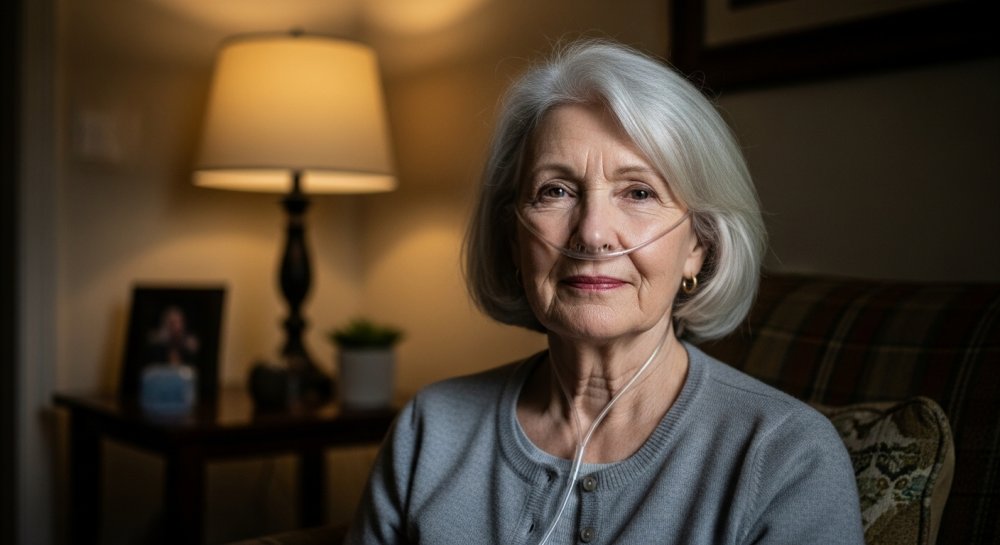
When COPD progresses to the point where lungs cannot extract enough oxygen from normal air, supplemental oxygen becomes necessary. Portable oxygen concentrators and tanks allow patients to maintain adequate oxygen levels throughout daily activities.
Studies demonstrate that oxygen therapy extends life expectancy in patients with severe COPD and low blood oxygen levels. The treatment also improves exercise capacity, mental sharpness, and overall quality of life.
Modern oxygen delivery systems have become increasingly portable and discreet. Many patients continue working, traveling, and participating in social activities with the help of lightweight portable units.
Pulmonary Rehabilitation Builds Capacity
These comprehensive programs combine supervised exercise training, nutritional counseling, and disease education. Physical therapists and respiratory specialists guide patients through exercises specifically designed to strengthen breathing muscles and improve endurance.
The exercise component focuses on both cardiovascular conditioning and strength training. As patients build stamina, everyday tasks become less exhausting and breathing efficiency improves.
Education sessions teach proper inhaler technique, energy conservation strategies, and warning signs of exacerbations. This knowledge helps patients manage their condition more effectively and avoid hospitalizations.
Antibiotics Combat Infections
Respiratory infections pose serious risks for COPD patients, whose compromised lungs struggle to clear bacteria and viruses. Prompt antibiotic treatment during bacterial infections prevents minor illnesses from escalating into dangerous exacerbations.
Some patients with frequent infections receive preventive antibiotics during high-risk seasons. This proactive approach reduces hospitalizations and helps maintain stable lung function throughout winter months when respiratory illnesses peak.
Healthcare providers carefully select antibiotics based on the specific bacteria causing infection. Targeted treatment minimizes unnecessary antibiotic exposure while effectively clearing infections that threaten breathing capacity.
Surgical Options for Advanced Cases
When medical management no longer provides adequate symptom control, surgical interventions may offer relief. Lung volume reduction surgery removes severely damaged portions of lung tissue, allowing healthier sections to function more efficiently.
For select patients with end-stage COPD, lung transplantation represents a final treatment option. While major surgery carries significant risks, successful transplants can add years of improved breathing and activity tolerance.
Newer minimally invasive procedures use bronchoscopic techniques to place one-way valves in damaged lung sections. These valves allow trapped air to escape while preventing new air from entering, effectively shrinking overinflated areas without major surgery.
Lifestyle Modifications Enhance Treatment
Smoking cessation remains the single most important action COPD patients can take. Continuing to smoke accelerates lung damage and reduces the effectiveness of all other treatments.
Regular physical activity, even gentle walking, helps maintain muscle strength and breathing efficiency. Patients who stay active typically experience fewer severe symptom episodes than those who become sedentary.
Avoiding air pollutants, allergens, and respiratory irritants protects already-compromised lungs from additional damage. Simple measures like using air purifiers and staying indoors during high-pollution days make meaningful differences in daily breathing comfort.
Working closely with healthcare providers to combine appropriate medications, oxygen therapy when needed, pulmonary rehabilitation, and healthy lifestyle choices gives COPD patients the best opportunity to maintain lung function and quality of life for years to come.
