Health
What Your Doctor Wants You to Know About Ghost Poops

Health Points
- Ghost poops indicate efficient digestion where stool passes cleanly with minimal residue
- High-fiber diets, adequate hydration, and healthy gut bacteria contribute to these easy-to-pass bowel movements
- While generally harmless, sudden changes in bowel habits warrant a discussion with your healthcare provider
Most people don’t give much thought to what happens after they use the bathroom—until something unusual catches their attention. One phenomenon that has sparked curiosity among health-conscious adults is the so-called “ghost poop,” a bowel movement that leaves little to no trace when wiping.
According to gastroenterologists, these mysterious bathroom experiences are typically nothing to worry about. In fact, they may signal that your digestive system is working exactly as it should.
Dr. Michael Schopis, a board-certified gastroenterologist at Long Island Gastroenterology Group, explains the science behind this occurrence.
“A ghost poop happens when stool passes so smoothly and completely that there’s minimal residue left behind. This usually means your body is efficiently processing what you eat.”
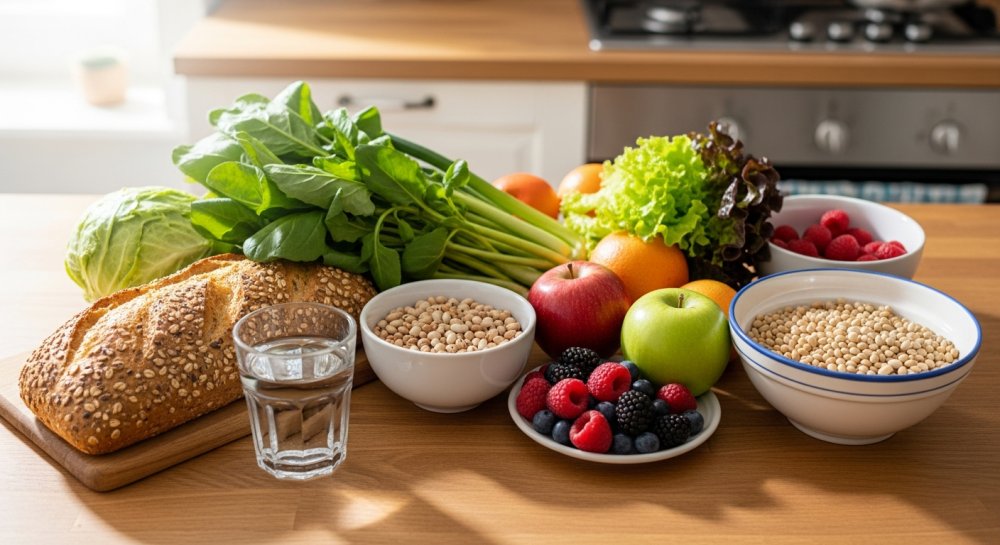
The key factors contributing to ghost poops include adequate fiber intake, proper hydration, and a healthy balance of gut bacteria. When these elements align, stool forms with the ideal consistency—firm enough to pass easily but soft enough to avoid straining. The result is a bowel movement that requires minimal cleanup.
Fiber plays a crucial role in this process. Soluble fiber absorbs water and creates a gel-like substance that helps stool maintain its shape. Insoluble fiber adds bulk and helps move waste through the digestive tract more efficiently. Adults should aim for 25 to 35 grams of fiber daily from sources like vegetables, fruits, whole grains, and legumes.
Hydration is equally important. Water helps soften stool and supports the fiber in your diet to work effectively. Most experts recommend drinking at least eight glasses of water per day, though individual needs may vary based on activity level and climate.
Dr. Elena Rodriguez, a nutritionist specializing in digestive health, emphasizes the broader implications of easy bowel movements.
“When your digestive system is functioning optimally, you’ll notice more than just ghost poops. You’ll likely have regular bowel movements, less bloating, and better energy levels throughout the day.”
The gut microbiome—the trillions of bacteria living in your intestinal tract—also influences stool quality. A diverse, balanced microbiome supports proper digestion and nutrient absorption. Probiotic-rich foods like yogurt, kefir, sauerkraut, and kimchi can help maintain this beneficial bacterial balance.
While ghost poops are generally a positive sign, sudden changes in bowel habits deserve attention. If you notice dramatic shifts in stool consistency, color, or frequency, or if you experience accompanying symptoms like abdominal pain, blood in stool, or unexplained weight loss, consult your healthcare provider.
These changes could indicate underlying conditions ranging from food sensitivities to more serious gastrointestinal disorders. Early detection and treatment improve outcomes for virtually all digestive issues.
For those looking to promote healthy digestion, lifestyle modifications can make a significant difference. Regular physical activity stimulates intestinal contractions and helps move waste through the system. Even a daily 20-minute walk can improve digestive function.
Stress management also matters. The gut-brain connection means that chronic stress can disrupt normal digestive processes. Practices like meditation, deep breathing exercises, or simply taking time to eat meals slowly and mindfully can support better gut health.
Timing plays a role too. Establishing a regular bathroom routine—ideally at the same time each day—can help train your body’s digestive rhythm. Many people find that their system naturally wants to eliminate waste shortly after waking or after meals, when digestive activity increases.
Dr. Schopis offers reassurance to those who rarely experience ghost poops.
“There’s a wide range of normal when it comes to bowel movements. Not having ghost poops doesn’t mean something is wrong. What matters most is consistency for you personally and the absence of concerning symptoms.”
The Bristol Stool Chart, a medical tool used to classify stool types, places ideal bowel movements in the Type 3 to Type 4 range—smooth, soft sausages that pass comfortably. Ghost poops typically fall into this category, though the ease of wiping relates more to residue than stool shape alone.
For adults over 40, maintaining digestive health takes on added importance. Age-related changes can affect gut motility, stomach acid production, and the composition of gut bacteria. Being proactive about fiber intake, hydration, and regular health screenings becomes increasingly valuable.
Colorectal cancer screening, recommended for most adults starting at age 45, represents an essential component of preventive care. While ghost poops themselves don’t indicate cancer risk, staying vigilant about digestive health helps catch potential problems early when treatment is most effective.
The bottom line? Ghost poops are typically a sign that your digestive system is working well. By focusing on a fiber-rich diet, staying hydrated, managing stress, and maintaining regular physical activity, you support not just comfortable bathroom experiences but overall health and wellness. And if something changes or concerns you, your doctor is always the best resource for personalized guidance.
